
Identify The Arrows That Represent The Process Of Cooling
Okay, let's talk cool. Not "effortlessly stylish" cool (though hopefully, this article will help with that too!), but the actual, literal process of cooling down. We often take it for granted, but the science behind a refreshing breeze or a perfectly chilled drink is pretty fascinating. Think of cooling as a delicate dance of energy, constantly moving from one place to another. But how do we identify the key players, those invisible "arrows" that dictate this energetic ballet? Let's dive in!
Arrow #1: Conduction - The Touchy-Feely Approach
Imagine holding a mug of hot cocoa on a chilly winter day. The heat from the mug warms your hands. That, my friends, is conduction in action. It's all about direct contact. Heat energy moves from a hotter object to a cooler one when they're touching. Think of it as a microscopic game of tag, where energetic molecules bump into slower ones, transferring some of their energy.
Practical Tip: Want to cool down your laptop quickly? Place it on a cold surface like a metal baking sheet (covered with a towel to prevent scratches, of course!). The heat will conduct away from your laptop, helping it avoid overheating. Consider it a spa day for your tech!
Must Read
Arrow #2: Convection - The Upwardly Mobile Heat Transfer
Picture this: a pot of water simmering on the stove. You see those bubbles rising? That’s convection. When a fluid (liquid or gas) is heated, it becomes less dense and rises. Cooler, denser fluid then sinks to take its place, creating a circular current. This movement transfers heat throughout the fluid.
Ever wondered why air conditioning vents are usually placed high up on walls? It’s because cool air is denser than warm air. The AC pushes out cool air, which then sinks, displacing the warmer air upwards, creating a convection current that cools the entire room. It's all about maximizing efficiency, baby!

Fun Fact: Convection currents are also responsible for weather patterns! Warm air rises, creating areas of low pressure, while cool air sinks, creating high pressure areas. These pressure differences drive wind and contribute to all sorts of weather phenomena, from gentle breezes to powerful hurricanes.
Arrow #3: Radiation - The Invisible Energy Beam
Stand outside on a sunny day, and you'll feel the warmth on your skin. Even though you're not touching anything hot, you're still absorbing heat. That's radiation, the transfer of energy through electromagnetic waves. Unlike conduction and convection, radiation doesn't need a medium to travel through; it can even travel through the vacuum of space! The sun warming the Earth is a prime example.

Practical Tip: Ever wondered why wearing light-colored clothing in summer is more comfortable? Light colors reflect more radiant heat, while dark colors absorb it. So, ditch the black t-shirt and embrace the white linen. Your body will thank you!
Cultural Reference: The ancient Romans understood the power of radiation (and reflection). They built bathhouses with strategically placed windows and mirrors to maximize the sun's warmth during the winter months. Talk about sustainable heating!

Arrow #4: Evaporation - The Sweat Equity of Cooling
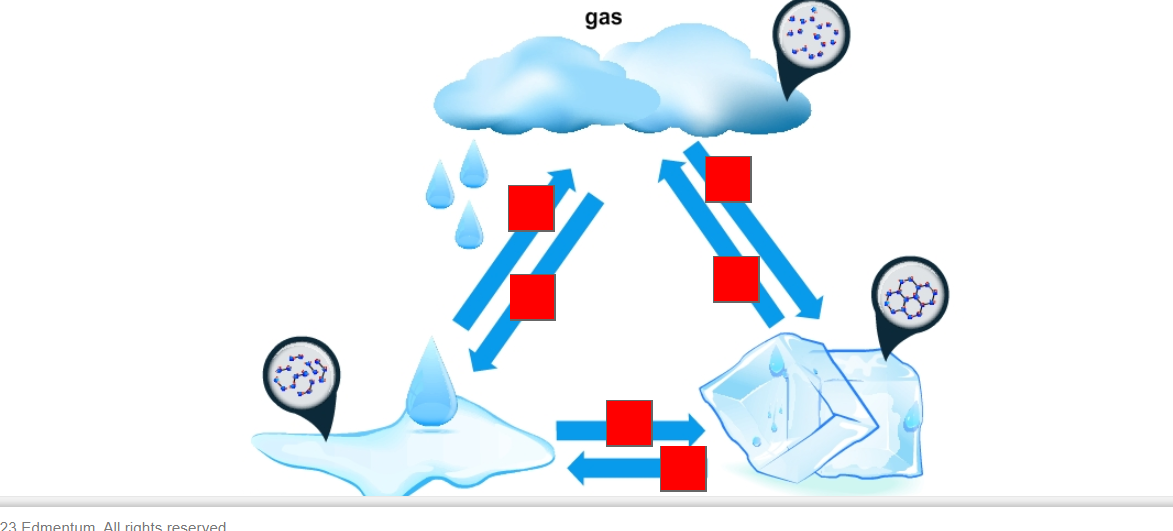
We all know the feeling: that slightly uncomfortable, yet ultimately refreshing, sensation of sweat evaporating from our skin on a hot day. This is evaporation, a powerful cooling mechanism. As liquid water turns into a gas (water vapor), it absorbs heat from its surroundings. In our case, that heat is coming from our body, which is why we feel cooler as sweat evaporates.
Did You Know? Dogs don't sweat like humans do. That's why they pant! Panting increases the rate of evaporation from their tongues, helping them to cool down.
Practical Tip: Feeling overheated after a workout? A cool shower or a damp towel on your neck can work wonders. The water evaporates, taking heat away from your body and leaving you feeling refreshed.
Quick recap: Conduction (touch), convection (movement), radiation (waves), and evaporation (phase change). These are the four fundamental ways heat energy moves, and understanding them helps us understand the process of cooling.
Cooling Down in Everyday Life
The science of cooling isn't just a theoretical concept. It's woven into the fabric of our daily lives, from the design of our homes to the way we prepare our food. By understanding these "arrows" of cooling – conduction, convection, radiation, and evaporation – we can make more informed choices to stay comfortable and healthy, no matter the weather. So, next time you reach for a chilled beverage or seek shade on a hot day, remember the intricate dance of energy that makes it all possible. It's a cool world, indeed. Stay frosty!