Identify A Fuel Used In A Nuclear Power Plant
Ever wonder how we power cities with something that seems straight out of science fiction? Nuclear power gets a bit of a bad rap sometimes, but it's actually a fascinating and crucial part of our energy landscape. Understanding the fuel behind it can demystify the process and help you form your own opinions about this powerful technology. It’s not just about mushroom clouds and glowing green goo (okay, maybe a little bit about the fascinating science behind it!), it's about clean(er) energy and a powerful source of electricity.
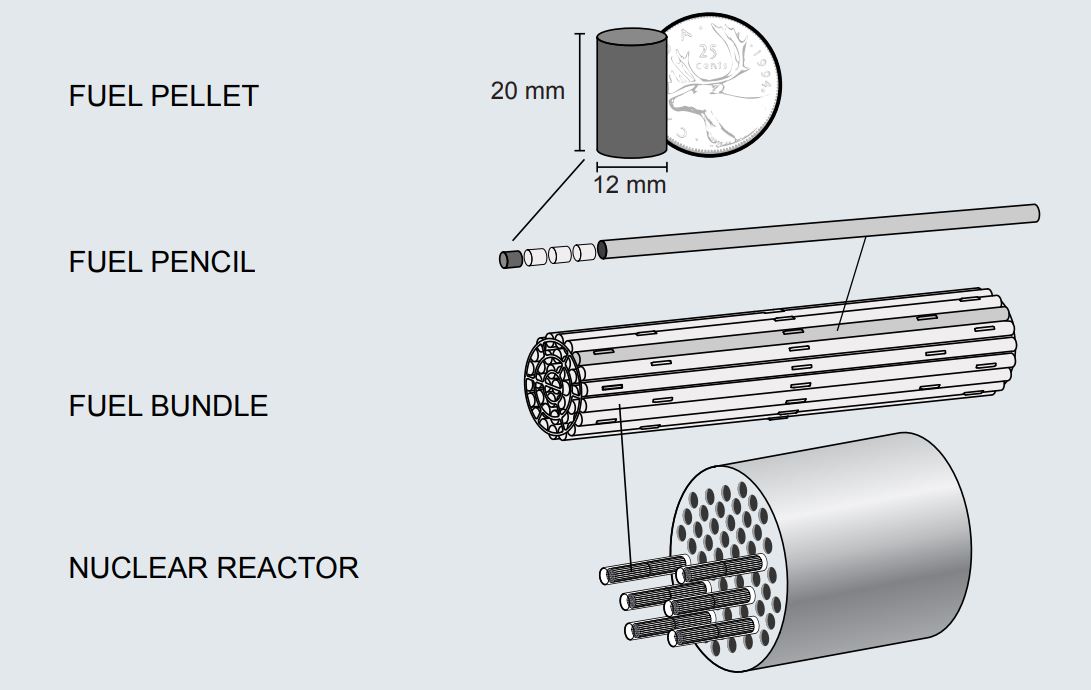
So, what's the magic ingredient that fuels a nuclear power plant? The answer, in most cases, is uranium. But not just any uranium! We're talking about a specific isotope, uranium-235 (U-235), to be exact. Think of isotopes like different flavors of the same element; they have the same number of protons but different numbers of neutrons.
U-235 is special because it’s fissile. What does that mean? Well, it means that when you bombard it with a neutron, it becomes unstable and splits, releasing energy in the form of heat and more neutrons. This is nuclear fission in action, and it’s the heart of how a nuclear power plant generates electricity. These newly released neutrons then go on to split more U-235 atoms, creating a chain reaction. It’s like a carefully controlled, atomic domino effect!
Must Read
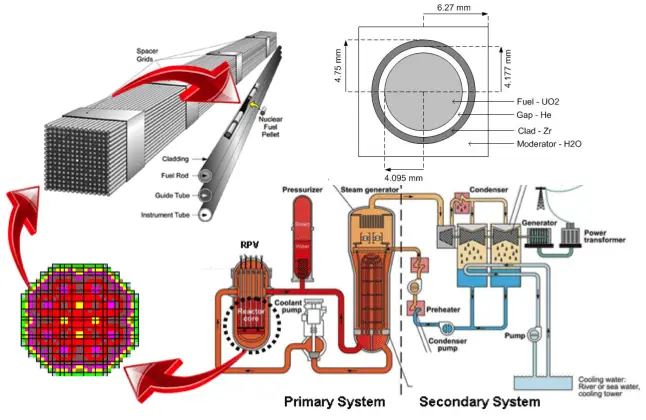
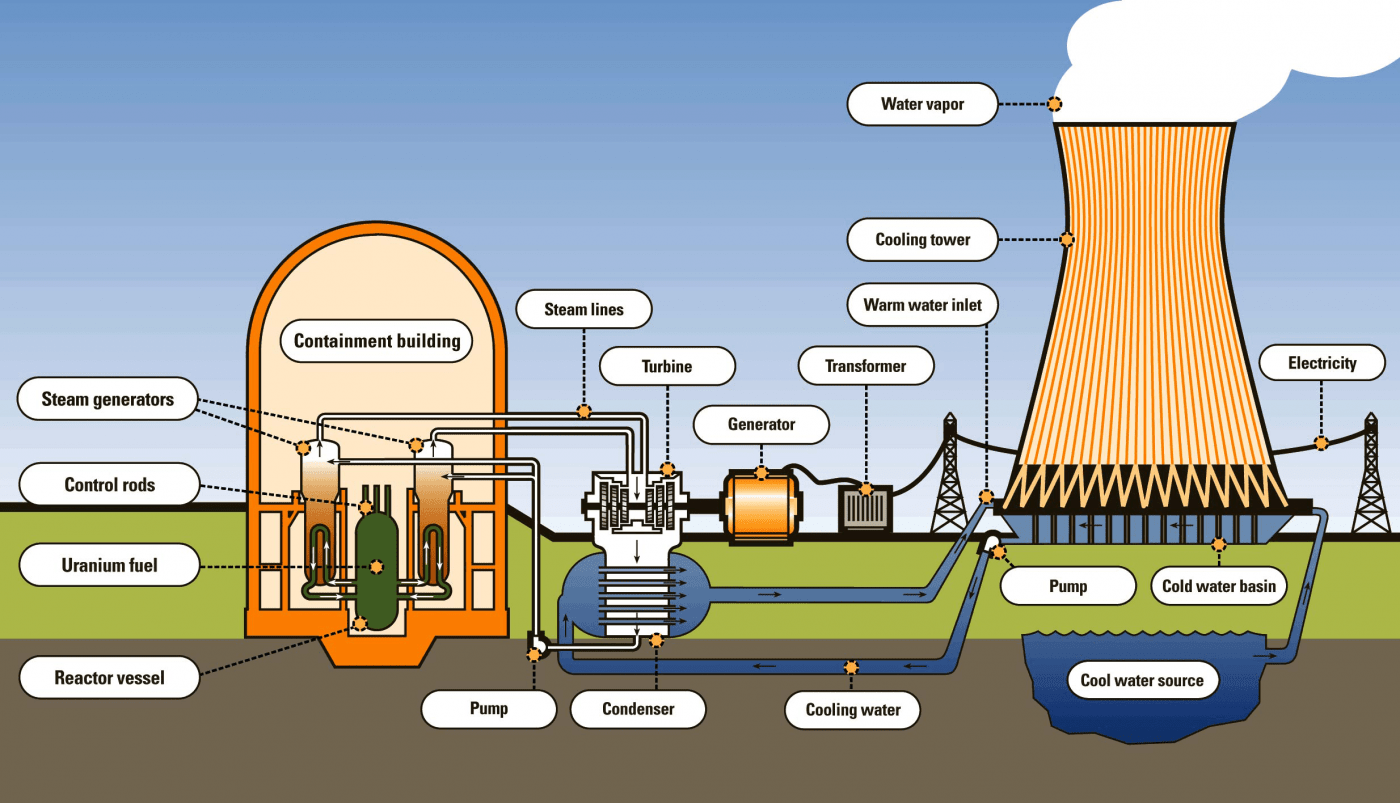
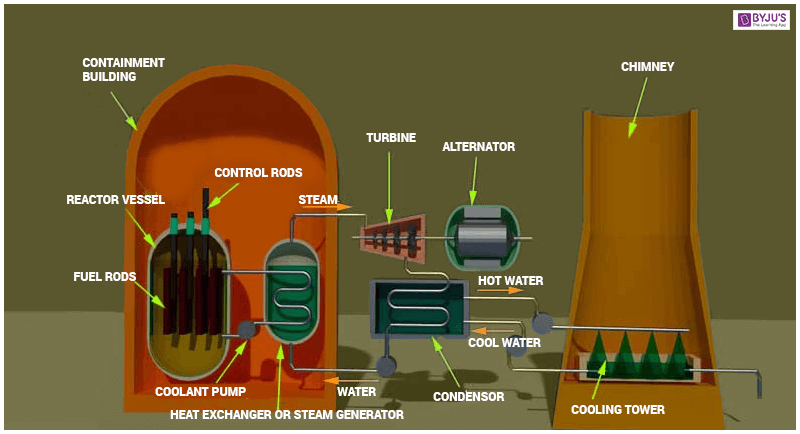
The heat generated from this fission process is used to boil water, creating steam. This steam then turns a turbine, which is connected to a generator, and that's how we produce electricity – just like in a traditional coal or gas-fired power plant, but with a different heat source. The benefits are significant: nuclear power plants produce a massive amount of energy from a relatively small amount of uranium. This translates to less reliance on fossil fuels, which contributes to lower greenhouse gas emissions and cleaner air.

Of course, there are challenges associated with nuclear power. Mining and processing uranium, managing nuclear waste, and ensuring the safety and security of nuclear reactors are all serious considerations. However, advancements in reactor design and waste management technologies are continuously being developed to address these concerns.
While uranium-235 is the most common fuel, other materials like plutonium can also be used in some types of nuclear reactors. The pursuit of even more efficient and sustainable nuclear fuels is an ongoing area of research. Understanding the fundamental role of uranium-235, though, provides a crucial foundation for comprehending the entire nuclear energy landscape. So, next time you flip on a light switch, remember the tiny but mighty uranium atom working hard in a nuclear power plant somewhere, potentially helping to keep the lights on!