
Hydrogen Fuel Cells Advantages And Disadvantages
Okay, so you've heard about hydrogen fuel cells, right? Maybe you saw a futuristic car commercial or caught a snippet on the news. But what are they, really? And are they the amazing, planet-saving superheroes we've been waiting for, or just another hyped-up technology?
Let's dive in and see what makes them tick... and whether they deserve a spot in our sustainable future!
The Amazing Upsides of Hydrogen Fuel Cells
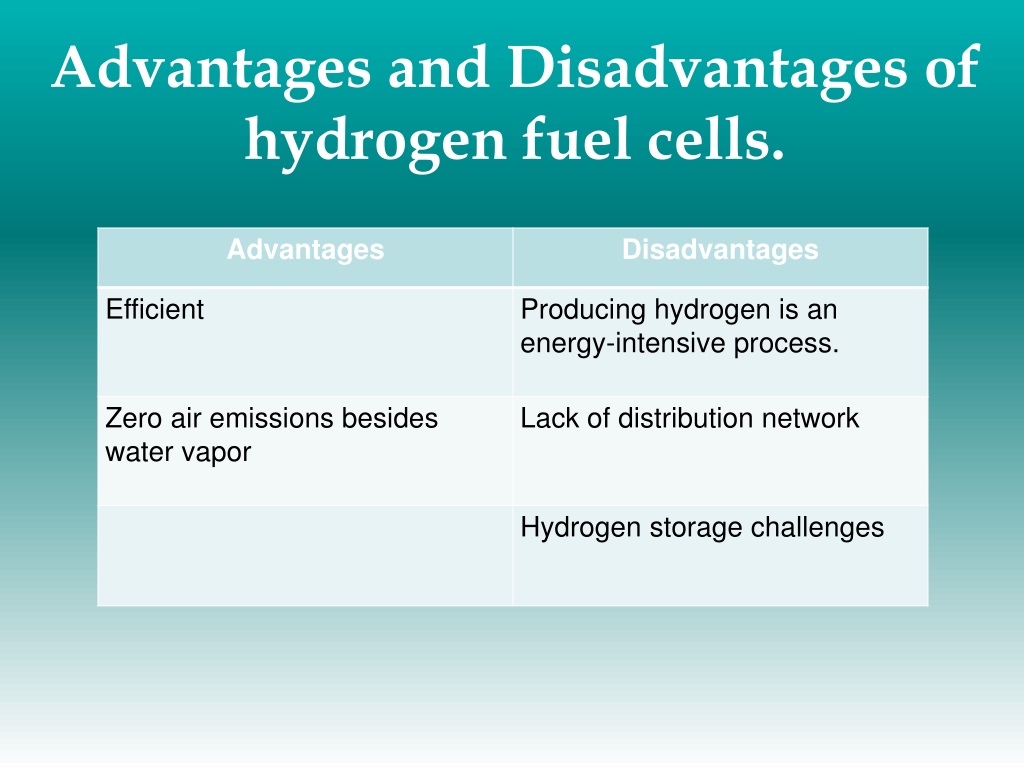
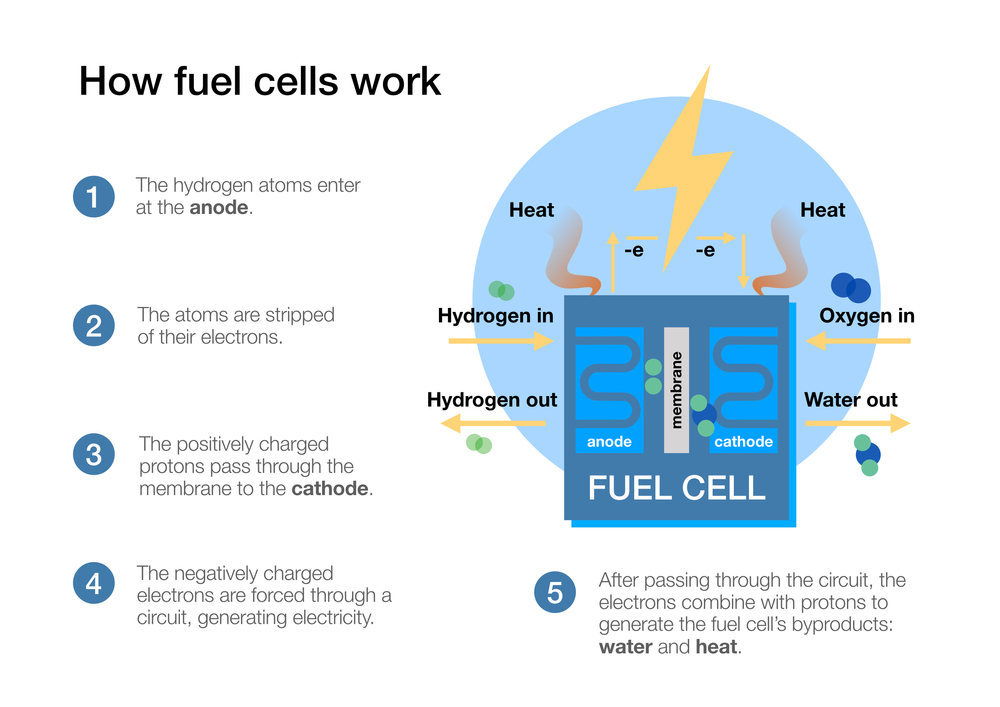
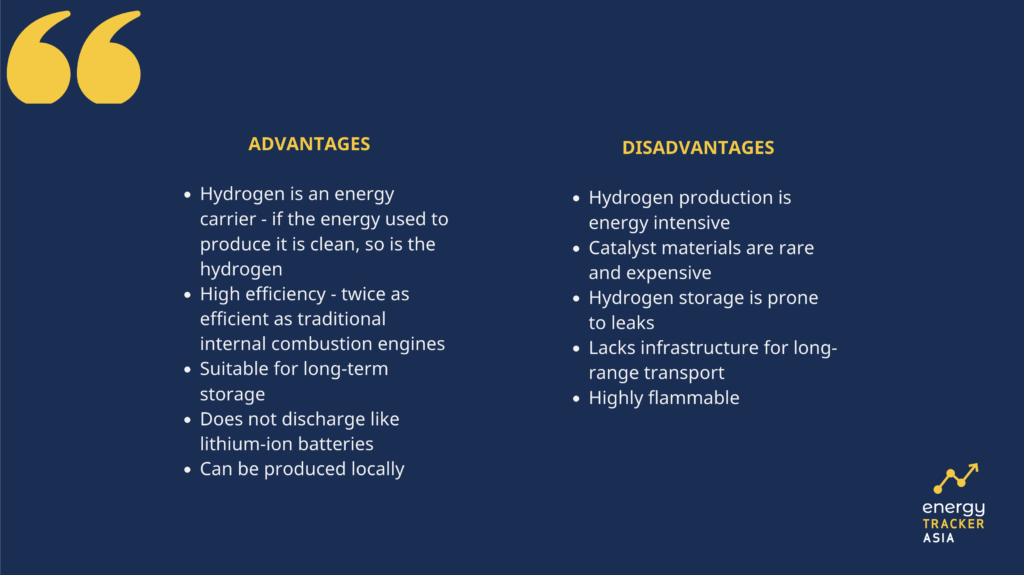
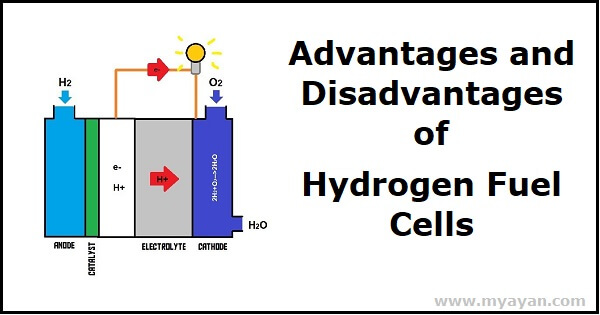
First, let's talk about the cool stuff. Hydrogen fuel cells are all about clean energy. We're talking zero emissions. Zippo. Nada. When a fuel cell does its thing, all that comes out is water. Yes, H2O! So, no smog, no greenhouse gases choking our planet. That's a pretty big win, wouldn't you say?
Must Read
Think about it: cars, buses, even entire power plants running on something that produces just water. Sounds like science fiction, but it's becoming reality!
And get this: fuel cells can be surprisingly efficient. Compared to some traditional combustion engines, they can squeeze more energy out of their fuel, meaning you get more bang for your buck (or, in this case, more miles per tank of hydrogen).
Plus, some fuel cells can be refueled pretty quickly. Imagine pulling up to a hydrogen station (once there are more of them, of course!) and filling up your car in about the same time it takes to pump gasoline. No more hours spent waiting for your electric car to charge! That's a serious bonus for busy people.
Another fun fact? Fuel cells can be used in all sorts of ways. We're not just talking about cars. They can power homes, businesses, even entire communities! Imagine a world where power outages are a thing of the past, thanks to these little energy dynamos. Pretty neat, huh?
The Downside? It's Not All Rainbows and Water Vapor
Okay, okay, before you start picturing a utopian future powered entirely by hydrogen, let's pump the brakes a bit. There are some challenges to overcome. Hydrogen fuel cells aren't perfect (yet!).
One of the biggest hurdles is the hydrogen itself. It's the most abundant element in the universe, but it doesn't just hang around in its pure form. We need to extract it from other sources, like natural gas or water.
And guess what? Some of these extraction methods aren't exactly eco-friendly. If we're getting hydrogen from natural gas, for example, that process can release greenhouse gases. So, we need to figure out cleaner, greener ways to produce hydrogen if we want the whole system to be truly sustainable. Electrolysis is a promising method, but needs to be cost-effective.

Then there's the storage and transportation issue. Hydrogen is a tricky gas to handle. It's very light and can leak easily. That means we need to develop safe and efficient ways to store and transport it, which can be expensive.
Finally, there's the cost. Right now, fuel cells and hydrogen-powered vehicles are generally more expensive than their gasoline or electric counterparts. As with any new technology, costs are expected to come down over time, but it's still a significant barrier to widespread adoption. And let's not forget the lack of infrastructure. Filling stations are few and far between compared to traditional gas stations.
So, Are Hydrogen Fuel Cells the Future?
The jury's still out, but hydrogen fuel cells definitely have the potential to play a significant role in our energy future. They offer a clean, efficient, and versatile alternative to fossil fuels.
But there are some big challenges to overcome, including the cost of production and the development of a robust infrastructure.
Ultimately, the success of hydrogen fuel cells will depend on continued innovation, government support, and a growing public awareness of their potential. Keep an eye on this technology – it might just surprise you!
Think of hydrogen fuel cells as a promising contestant on a reality show – they have all the potential to win, but they still need to prove they can handle the challenges ahead. It's going to be an interesting journey to watch!