
Hydroelectric Energy Is Renewable Or Nonrenewable

Okay, so picture this: I'm white-water rafting, right? Gorgeous scenery, adrenaline pumping, the whole shebang. And then, BAM! We pass this massive dam. Suddenly, my inner eco-nerd wakes up. "Hydroelectric power!" I yell over the roar of the water (much to the amusement of my fellow rafters). Then, of course, comes the question that always seems to pop up: is it really renewable? It looks clean, but is it too good to be true?
That got me thinking, and after diving down the internet rabbit hole (as one does), I figured I’d share what I’ve learned. Because let's be honest, renewable energy can be a bit of a confusing topic, especially when you start looking at the specifics.
So, is hydroelectric power renewable?
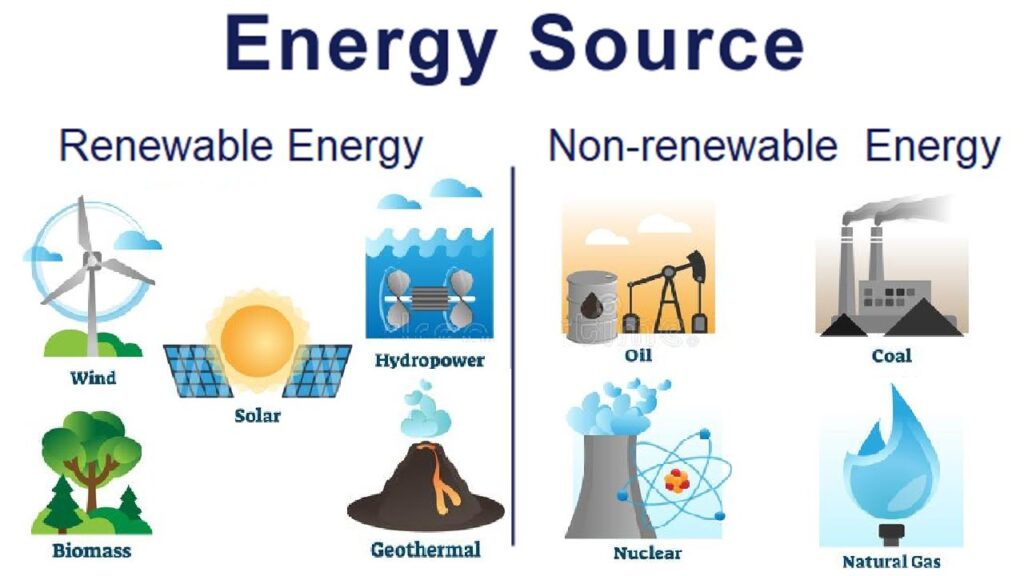
The short answer? Yes, technically. Hydroelectric power is generally considered a renewable energy source. The power comes from the water cycle, a natural and constantly replenishing process. Rain fills rivers, rivers flow downhill, and we capture that energy with dams to generate electricity. See? Simple!
Must Read
But, and this is a big but (pun intended), there are some serious caveats. It's not quite as straightforward as "wind turbines good, coal plants bad." (Although, let's be real, it's usually pretty close.)
The 'Renewable' Fine Print
Here's where things get a little… nuanced. While the water cycle itself is renewable, the way we harness it with hydroelectric dams can have some significant environmental impacts. This is where the debate heats up.
Think about it: building a massive dam completely alters the river ecosystem. It can flood habitats, disrupt fish migration patterns (poor salmon!), and change water quality. It’s like rearranging all the furniture in your house, only the furniture is an entire ecosystem and it's not always happy about the redecorating.
These changes can have long-lasting effects on the surrounding environment, and sometimes those effects aren't exactly positive. We're talking habitat loss, species decline, and even changes to the river's flow that can impact downstream communities.

The "But It's Clean Energy!" Argument
Okay, okay, I hear you. Hydroelectric power doesn't directly emit greenhouse gases like coal or natural gas power plants. That's a major plus in our fight against climate change. (Seriously, we need all the help we can get!) And, let's be fair, a dam that lasts for decades provides power the whole time.
However, the construction of dams does involve a lot of concrete, which has a significant carbon footprint. Also, the decomposition of organic matter in reservoirs can release methane, a potent greenhouse gas. (Yep, even "clean" energy can have hidden downsides.)

Small Hydro vs. Big Hydro
Here's another wrinkle: not all hydroelectric power is created equal. There's a big difference between a massive dam that floods miles of land and a small, run-of-river hydroelectric project that has minimal impact on the environment.
Run-of-river projects don't typically have large reservoirs and rely on the natural flow of the river. They tend to be much more environmentally friendly than large-scale dams. So, when someone talks about "hydroelectric power," it's important to ask what kind they're talking about. Context matters, folks!

The Verdict?
So, back to the original question: is hydroelectric energy renewable? Yes, in the sense that the water cycle is a renewable resource. But, it's crucial to consider the environmental and social impacts of building and operating hydroelectric dams. Just because something is "renewable" doesn't automatically make it the perfect solution. (Wouldn't that be nice, though?)
Like with any energy source, there are trade-offs. We need to weigh the benefits of hydroelectric power (clean electricity, flood control, water storage) against the potential downsides (habitat loss, ecosystem disruption, methane emissions). The future of hydroelectric power will likely involve a greater focus on smaller, more sustainable projects and better management of existing dams.
Ultimately, the answer isn't a simple yes or no. It's a "it depends." Which, let's be honest, is the answer to most complex questions these days. But hey, at least now you're armed with a little more knowledge the next time someone asks you about hydroelectric power. You can even impress your white-water rafting buddies!