Hydro Power Plant How It Works
Ever wondered about the invisible magic that powers our world? From charging your phone to lighting up your school, electricity is everywhere, and one of its oldest, most fascinating sources taps into a force as ancient as rivers themselves: hydropower. Learning how a hydro power plant works isn't just a science lesson; it's an appreciation for how we can harness nature's raw power in a remarkably clean and clever way. It's a journey into engineering marvels and the natural water cycle, all rolled into one!
So, what’s the big idea? At its core, a hydro power plant's purpose is simple: to convert the energy of moving water into electricity. Imagine the sheer force of a river flowing downhill. Hydropower captures that energy. The main benefit? It's a truly renewable energy source, relying on the continuous water cycle driven by the sun. Unlike fossil fuels, it produces virtually no greenhouse gas emissions during operation, making it a champion for clean air and a stable climate. Plus, these plants are incredibly reliable; once built, they can generate electricity for decades with low operating costs, and they can often be switched on or off quickly to meet demand, acting almost like a giant natural battery.
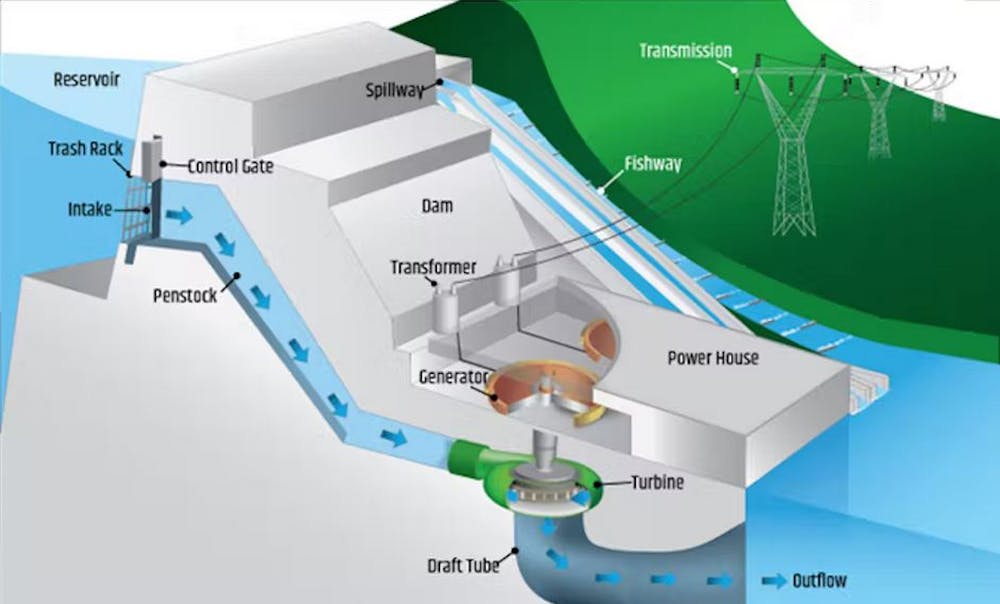
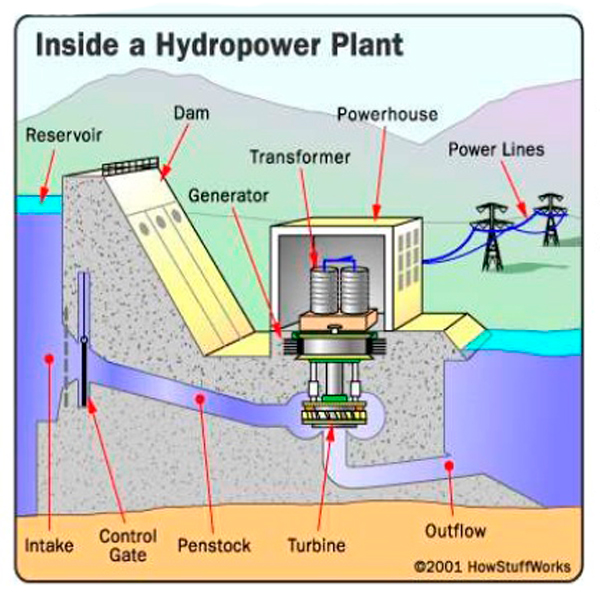
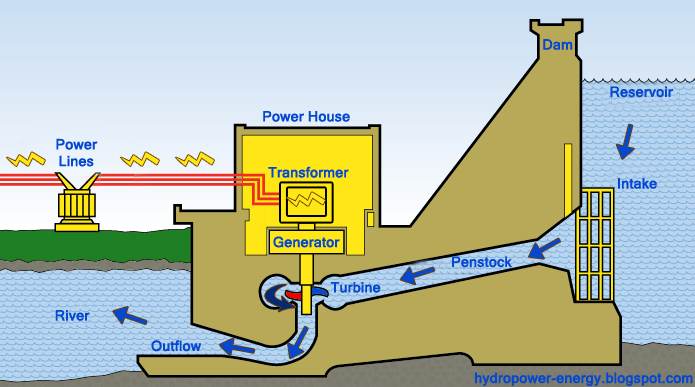
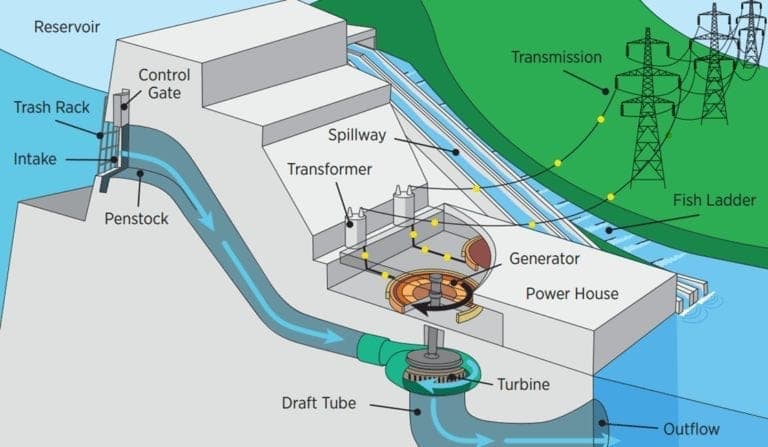
Let's peel back the layers and see the magic happen. Most commonly, a dam is built across a river, creating a large reservoir – essentially a huge lake of stored water. This water, held high above the riverbed, holds immense potential energy. When electricity is needed, gates are opened, allowing water to rush down a large pipe called a penstock. As the water hurtles downwards, its potential energy transforms into roaring kinetic energy. This fast-moving water then slams into a series of blades on a giant wheel, known as a turbine, causing it to spin at incredible speeds. The spinning turbine is connected to a generator, which is the clever device that uses electromagnetic induction to convert this mechanical motion into the electricity that flows through power lines to our homes and businesses.
Must Read
You might not realize it, but hydropower impacts your daily life profoundly. The lights in your classroom, the computer you're reading this on, the refrigerator keeping your food fresh – a good chunk of that power could very well come from a hydro plant far away. In education, understanding hydropower is a fantastic way to learn about energy transformation, engineering principles, and environmental science. Kids often build simple water wheels in science class, demonstrating the basic concept of harnessing water's movement.
Feeling curious to explore this powerful topic further? Here are a few simple ways to dive in! First, check if there's a local dam or power station near you; many offer visitor centers or tours that provide incredible insights. Second, hop online! There are countless fascinating documentaries and animated videos that visually explain the entire process, often with stunning drone footage of massive dams like the Hoover Dam or Three Gorges Dam. You could even try building a miniature water wheel or turbine model using everyday materials like plastic bottles and wooden skewers – it’s a fun, hands-on way to understand the principles of converting water flow into rotational energy. The next time you see a river, take a moment to imagine the immense power hidden within its flow, ready to be put to good use!