How To Work Out Kwh From Watts

Ever gazed at your electricity bill and wondered, "What on earth is a kilowatt-hour, and why am I paying so much for them?" You're not alone! Many of us enjoy the convenience of modern appliances, from humming refrigerators to blazingly fast gaming PCs, without truly understanding the invisible energy currents powering them. But here's a secret: unraveling the mystery of how to calculate your kWh from Watts can be surprisingly fun and incredibly empowering!
Think of it like being an energy detective. Once you crack the code, you gain the superpower to actually understand – and even predict – what your gadgets are costing you. The main benefit, of course, is a fatter wallet, as knowing your kWh allows you to make smarter choices about appliance usage, identify energy guzzlers, and potentially save a significant chunk of change on your monthly utility bill. Beyond the financial perks, it fosters a wonderful sense of environmental responsibility. Understanding your consumption helps you reduce your carbon footprint, making you a bona fide eco-hero in your own home.
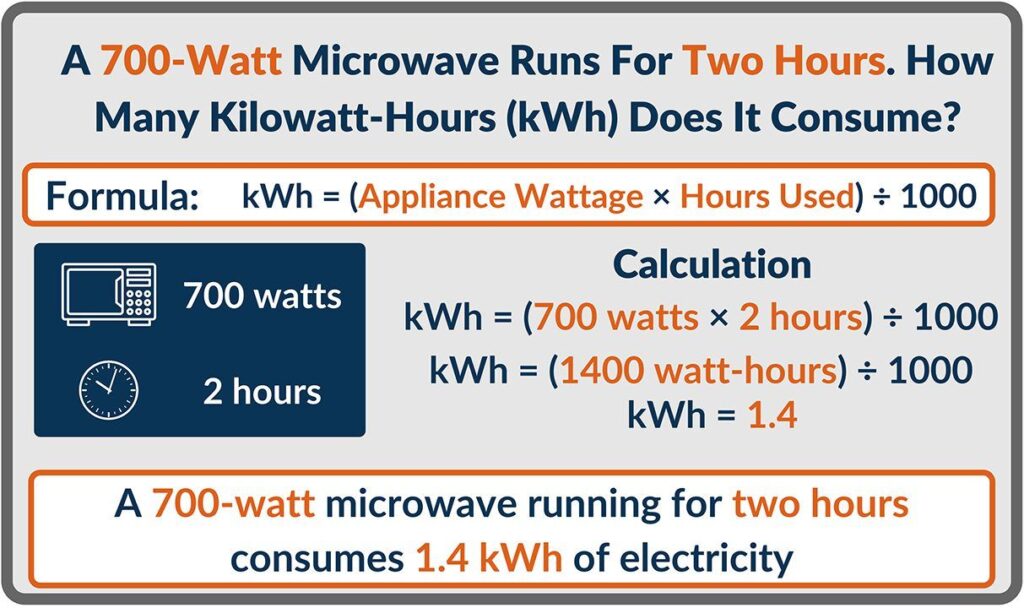
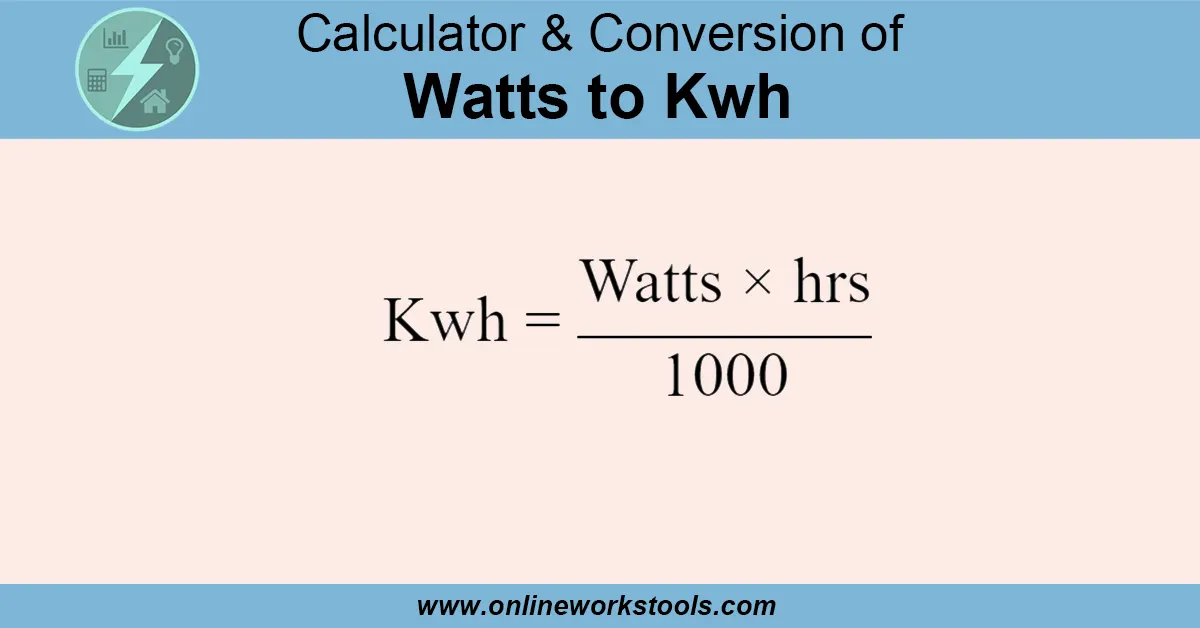
So, how do we become these energy-savvy superheroes? Let's dive into the fascinating world of Watts and Hours. Most appliances have a wattage rating (e.g., 60W light bulb, 1500W hairdryer). This number tells you how much power the device uses at any given moment. To get to kWh, we need to add the element of time. Here's the simple, magical formula:
Must Read
(Watts × Hours) ÷ 1000 = Kilowatt-hours (kWh)
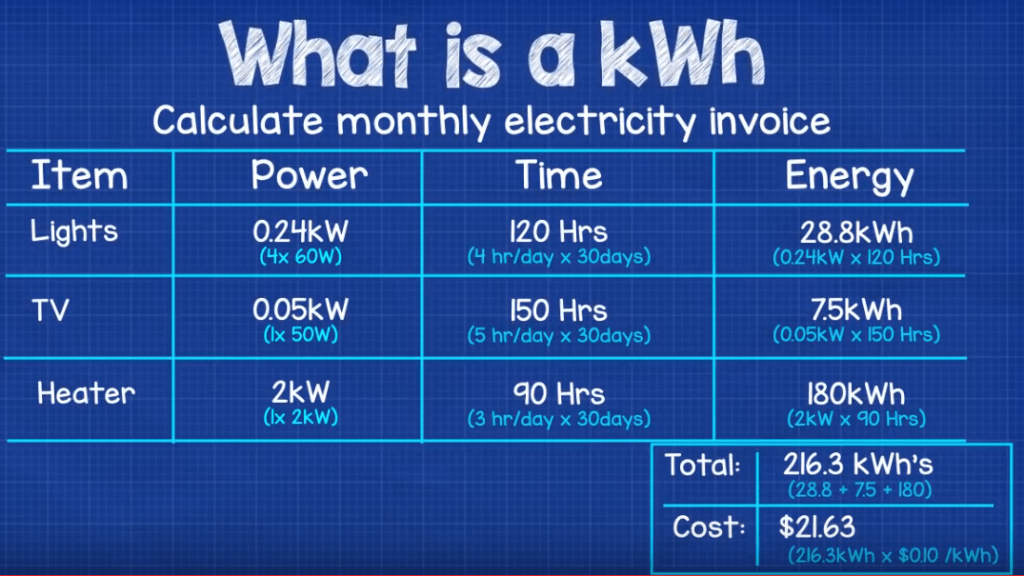
Why divide by 1000? Because a Kilowatt is simply 1000 Watts! Utility companies charge you for kilowatt-hours, not just Watt-hours. So, if you run a 100-Watt light bulb for 10 hours, that's (100W × 10h) = 1000 Watt-hours. Divide by 1000, and you get 1 kWh. Easy peasy!
Common examples are everywhere. That old gaming rig pulling 300 Watts for 4 hours a day? (300 × 4) ÷ 1000 = 1.2 kWh per day. A 1500-Watt hairdryer used for 15 minutes (0.25 hours)? (1500 × 0.25) ÷ 1000 = 0.375 kWh per use. You can even estimate for larger appliances like a refrigerator that cycles on and off, by finding its average daily wattage or using an energy monitor.
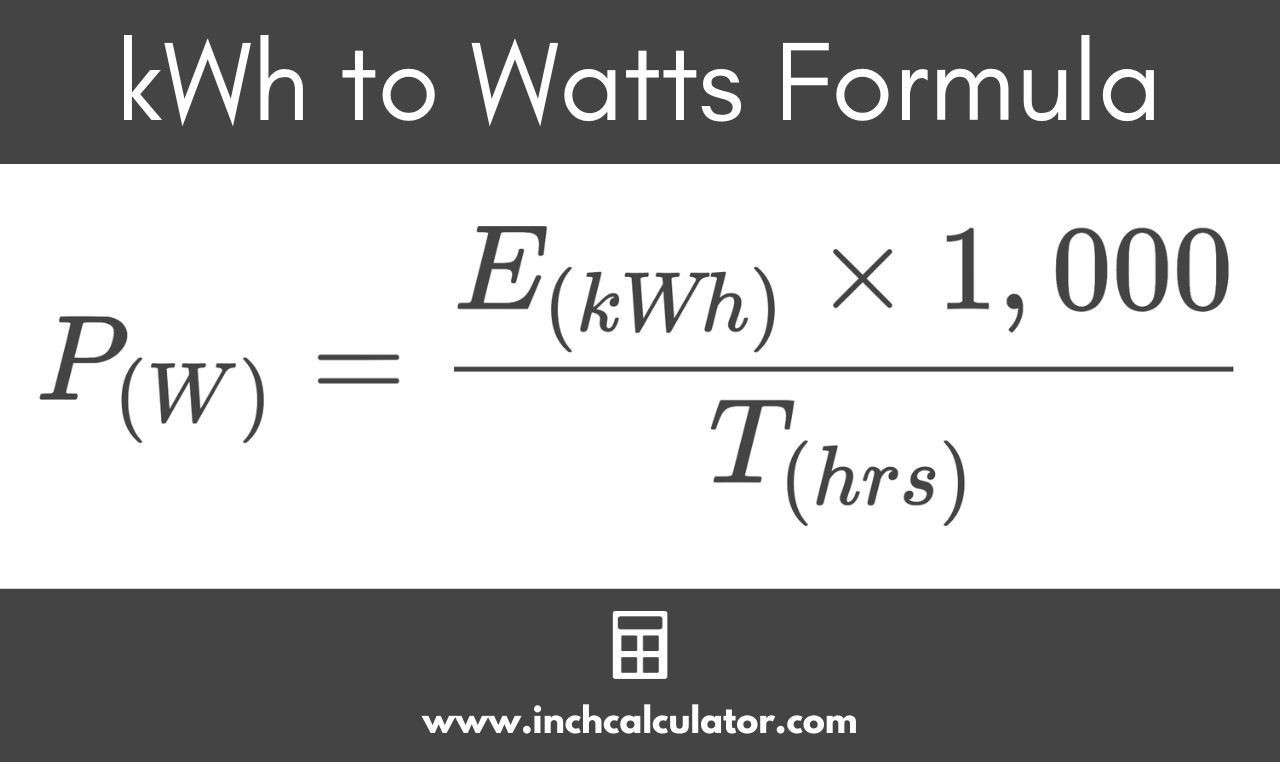
To enjoy this newfound power more effectively, here are some practical tips:
- Check Appliance Labels: Most devices have their wattage printed right on them.
- Get an Energy Monitor: Devices like a "Kill A Watt" meter plug into your wall and tell you the exact wattage of anything plugged into them, making calculations a breeze.
- Think in "Run Time": Consider how long an appliance actually operates. A fridge is 24/7, but a blender is only for minutes.
- Don't Forget Standby Power: Many electronics consume "phantom load" even when off. These silent energy vampires add up!
- Make it a Game: Challenge yourself to lower your kWh usage each month. It’s a rewarding pursuit that saves money and helps the planet.
Once you start calculating, you'll be amazed at how quickly you can spot opportunities to save. So go forth, embrace your inner energy detective, and start unraveling the kilowatt-hour mysteries in your own home!