How To Wire A Battery In Series
Ever gazed at a dazzling LED art installation, marvelled at the speed of a custom-built RC car, or wished your portable fan had just a little more "oomph" to beat the summer heat? Often, the secret sauce behind these impressive feats isn't a complex power grid, but a clever trick known as wiring batteries in series. It's a fundamental principle in electronics that artists, hobbyists, and curious minds use to unlock greater power for their passion projects, turning mundane battery cells into a powerhouse of creative energy.
For the uninitiated, the idea of "wiring" anything can sound daunting, but connecting batteries in series is surprisingly straightforward and incredibly rewarding. The core benefit is simple: it increases the overall voltage available for your device. Think of it like stacking small building blocks; each battery adds its voltage to the total. This means brighter lights for sculptors wanting to illuminate their creations, faster motors for hobbyists building robotics, or longer-lasting energy for portable electronics. It empowers you to move beyond the limitations of a single battery, giving your ideas the boost they deserve. It's about harnessing the collective strength of individual power sources to achieve something greater.
The applications are as diverse as your imagination! Imagine creating a stunning glowing centerpiece for your next dinner party, powered by a string of LEDs that truly pop, thanks to a higher voltage. Hobbyists can build more powerful DIY drones or remote-controlled vehicles that zip around with exhilarating speed. For casual learners, it could be as simple as making a portable phone charger with a bit more juice or constructing a small fan that actually provides a noticeable breeze. It's the difference between a dimly lit curiosity and a vibrant, functional marvel. Whether it’s an interactive art piece, an educational science fair project, or just making your camping lantern shine brighter, wiring in series is a game-changer.
Must Read
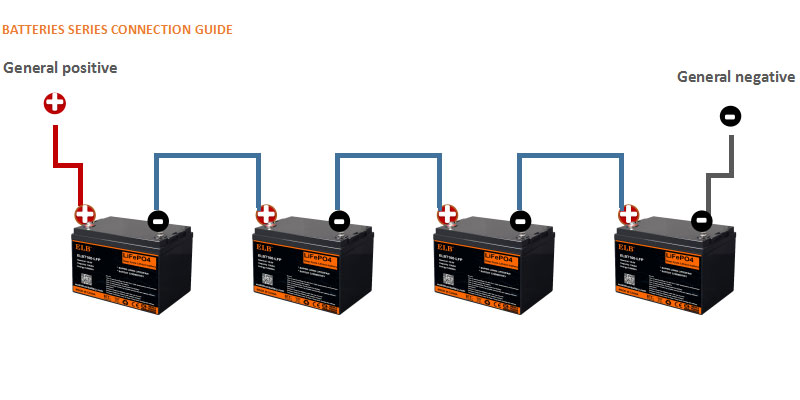
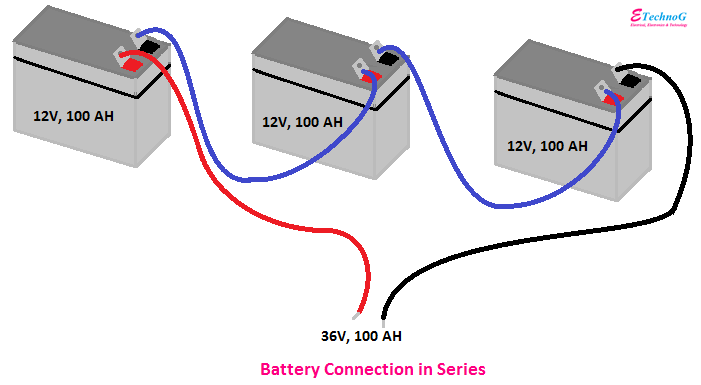
Ready to try it at home? Here are some simple tips to get you started. First and foremost, safety is key! Always start with low-voltage batteries like AA or AAA cells. You'll need batteries of the same type and charge level, and ideally, battery holders with leads, which make connecting much simpler and safer than direct soldering. The magic happens when you connect the positive terminal (+) of one battery to the negative terminal (-) of the next. Repeat this for as many batteries as you need to reach your desired voltage. Always double-check your connections and use a multimeter to confirm the total voltage before connecting it to your project. Remember, never over-volt a device beyond its specified limits, as this can damage it. Start small, perhaps with just two AA batteries to create 3V, and then expand your knowledge from there.
There's a special kind of satisfaction that comes from powering up your own creation and watching it come to life with newfound energy. Learning how to wire batteries in series isn't just about understanding a basic electrical concept; it's about unlocking creative possibilities and gaining a deeper appreciation for the energy that fuels our modern world. It’s an empowering step towards becoming a true maker, giving your projects the vibrant life and potent power they deserve. It’s not just wiring; it’s igniting your ingenuity!