
How To Winterize An Empty House
Ever had that feeling when you're bundled up in your favorite sweater, sipping hot cocoa, and then you suddenly remember something you left outside? Maybe a potted plant that isn't quite winter-hardy? Well, an empty house in winter is a bit like that forgotten friend – it needs a little TLC, even when no one's home. You might think, "Out of sight, out of mind," but trust me, a little preparation now can save you a whole lot of heartache (and money!) later.
Think of your house as a big, sleepy bear getting ready for hibernation. It needs a cozy den, no unexpected surprises, and definitely no surprise ice baths! Neglecting it can lead to some truly epic headaches – burst pipes, uninvited furry guests, or even a miniature indoor ice rink that wasn't part of your decorating plan. So, let's chat about how to give your empty abode the royal winter treatment, shall we?
Water Woes? No, Thank You!
This is probably the biggest villain in the winterizing story: burst pipes. Imagine leaving a water balloon in the freezer – it expands, right? Water in pipes does the same, but instead of a gentle pop, you get a geyser indoors. Not ideal.
Must Read
The golden rule here is simple: turn off the water main. Find that magical handle (usually in your basement, crawl space, or near your water meter outside) and give it a firm twist to the "off" position. It's like pulling the plug on a potential disaster. Once that's done, open all your faucets, flush your toilets, and let any residual water drain out. Don't forget the outdoor spigots!
For an extra layer of peace of mind, consider pouring a little RV antifreeze (the non-toxic kind!) into your toilet bowls and any floor drains. It's like giving them a warm, protective hug against freezing. Just a heads-up, this isn't for your main water lines, just the porcelain pals and drains!

Keep It Cozy (But Not Toasty)
You don't need to heat an empty house to tropical temperatures – it's not a resort for polar bears, after all. But letting it get absolutely frigid? That's a recipe for trouble. We're talking about preventing frostbite on your walls and floors, and keeping those pipes from getting too cheeky.
The sweet spot for an empty house thermostat is usually around 50-55°F (10-13°C). This gentle warmth is enough to keep everything stable without sending your utility bills through the roof. Think of it as putting your house on 'sleep mode' – conserving energy but still awake enough to avoid disaster. If you have an older furnace, a quick check by a pro before winter sets in is always a smart move.
No Room for Furry (or Scaly) Tenants
When the weather turns nasty, every creature is looking for a warm, dry place to crash. And guess what looks super inviting? Your lovely, empty house! Mice, rats, squirrels, even raccoons are surprisingly good at finding tiny gaps.

Take a walk around the exterior of your house, playing detective. Are there any cracks in the foundation? Gaps around pipes or wires entering the house? Loose screens? Seal them up! Use caulk, steel wool, or wire mesh for bigger holes. Check your chimney flue and dryer vents too – sometimes these are overlooked entry points. You want to make it as uninviting as possible for these unpaying, potentially destructive houseguests. Nobody wants to come back to a surprise critter party complete with chewed wires and suspicious droppings!
Security and Peace of Mind
An empty house can sometimes look like an easy target. But a few simple steps can keep it feeling safe and sound, both for you and the neighbors.

First off, lock everything up tight. All windows, all doors – double-check them. If you have a security system, make sure it's armed and functioning. Consider putting a few lamps on timers, especially in main rooms, so it looks like someone's occasionally home. A porch light on a sensor can also be a good deterrent. It's like giving your house a subtle, polite warning sign: "Nope, not an empty stage here, folks!"
If you have trusted neighbors, let them know your house will be empty. Ask them to keep an eye out, perhaps clear snow from the driveway, or pick up any flyers or mail that might accumulate. A well-cared-for exterior suggests occupancy and can deter unwanted attention.
The Little Things (That Make a Big Difference)
Before you lock up and leave, a few quick tasks can prevent unpleasant surprises down the road.
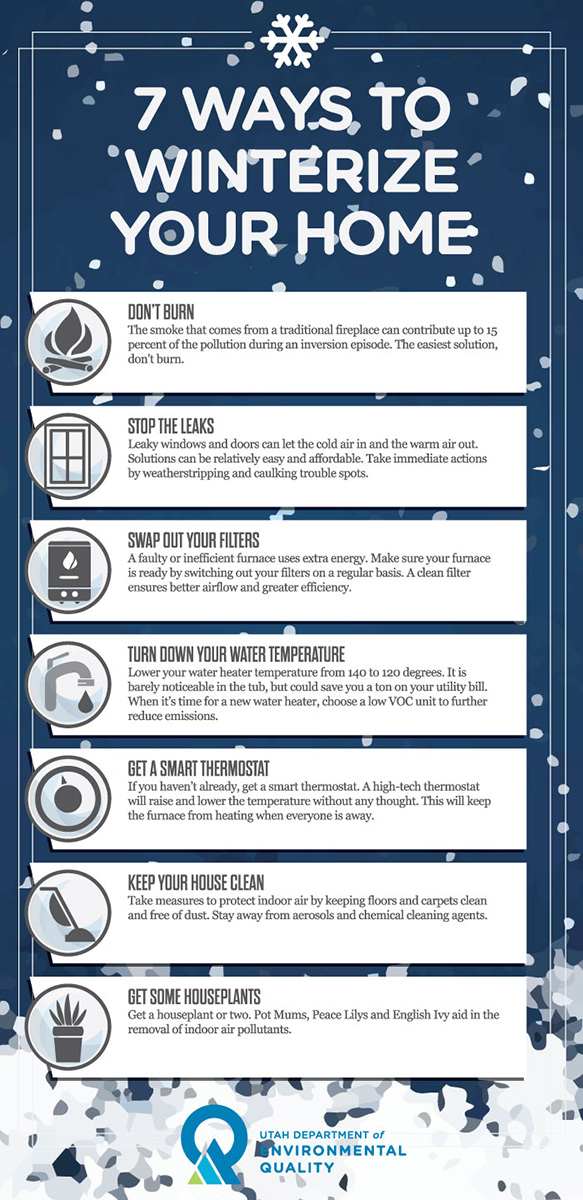
![How to Winterize a House for the Cold Weather [Infographic]](https://blog.nationwide.com/wp-content/uploads/2015/11/winterize-a-home-infographic.png)
Empty the fridge and freezer! Turn them off and prop the doors open with a towel to prevent mold and mildew from throwing a truly foul-smelling party. Take out all the trash – seriously, all of it. Unplug unnecessary electronics to save on phantom power drain. And perhaps most importantly, stop your mail and newspaper delivery. A bulging mailbox is a giant flashing sign that says, "Nobody's home!"
Give the place a good once-over clean. It's like tucking your house into bed – you want to leave it feeling fresh and ready for a long, peaceful sleep. When you eventually return, you'll be met with a clean slate, not a list of chores.
Winterizing an empty house isn't about creating a fortress; it's about being a responsible, caring homeowner. It's about taking a little time now to prevent big headaches later, saving yourself money, and ensuring that your house is just as charming and welcoming when you return as it was when you left. So, go forth, brave homeowner, and give your empty house the winter hug it deserves!