
How To Winterize A House Vacant
Alright, future property wizard, let's talk about something that might sound a little… well, vacant. But trust us, it’s actually one of the smartest, most peace-of-mind-inducing things you can do for yourself and your assets: winterizing a vacant house. You might be thinking, "A vacant house? Who even has one of those?" Maybe you've inherited a family home, bought a fixer-upper investment, or perhaps you're just a savvy planner thinking ahead. Whatever your reason, consider this your friendly nudge into becoming a home protection superhero!
Now, why bother with a house that nobody's currently living in? Because winter, bless its frosty heart, is surprisingly good at finding vulnerabilities. A vacant house is like a sleeping giant, and you want to make sure it sleeps soundly, without any midnight disasters. Think of it as tucking your bricks and mortar into a cozy, disaster-proof bed for a long winter's nap. And who knew preventing a disaster could feel so empowering?
Why This Isn't a Chore, It's a Choice for Joy
Let’s flip the script. Winterizing isn't about dull maintenance; it’s about preserving your future joy. Imagine this: you're on a much-deserved vacation, sipping something tropical, when your phone rings. It’s a neighbor, frantic, telling you about burst pipes, flooded floors, and a general winter wonderland of destruction at your vacant property. Sigh. Holiday ruined, right?
Must Read
Now, imagine the alternative: you’ve proactively winterized. You’re sipping that same tropical drink, utterly relaxed, knowing your vacant property is snug, safe, and sound. No emergency calls. No costly repairs. No gut-wrenching stress. That, my friend, is the joy of preparedness. It’s not just about saving money (though it absolutely will!), it’s about preserving your precious peace of mind.
Your Vacant House Winter Checklist: A Lighthearted Mission
Ready to dive into the fun? We're not talking about rocket science here. Just a few thoughtful steps to make sure your property is ready for whatever Jack Frost throws its way.
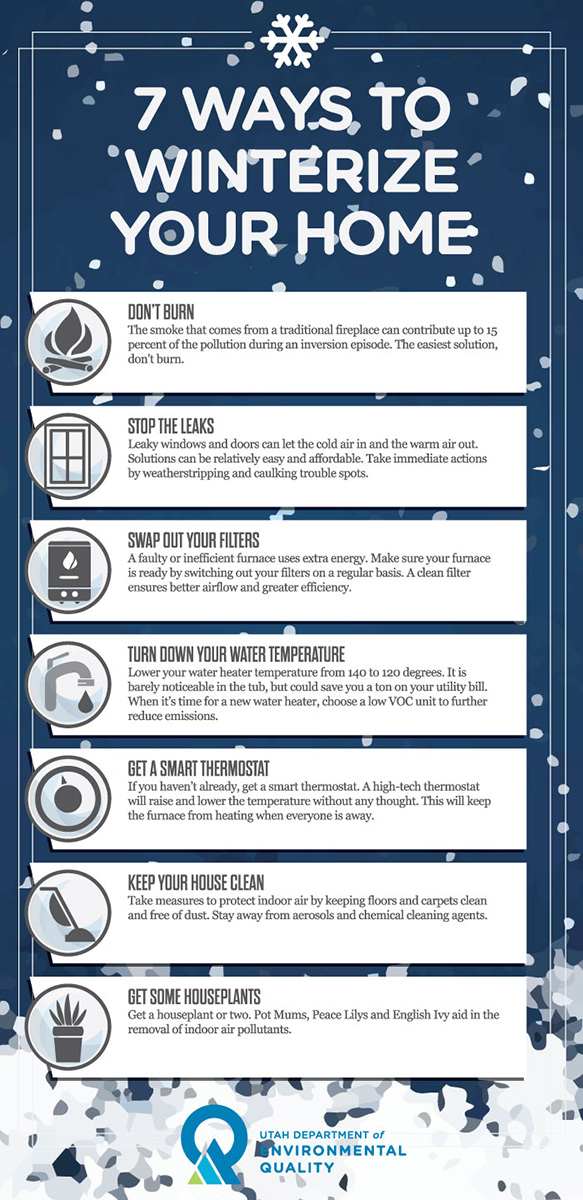
![How to Winterize a House for the Cold Weather [Infographic]](https://blog.nationwide.com/wp-content/uploads/2015/11/winterize-a-home-infographic.png)
The Water Warrior's Way: Drain & Protect
This is arguably the most critical step. Frozen pipes are the arch-nemesis of vacant homes. They expand, they burst, and suddenly you have an indoor swimming pool you didn't ask for. So, channel your inner water warrior!
- Turn off the main water supply: Locate your main water shut-off valve (usually in the basement or utility area) and turn it off. Simple!
- Drain the pipes: Open all faucets, flush all toilets. You want to get as much water out of those pipes as possible. Don't forget your outdoor spigots! Really important!
- Antifreeze is your friend: Pour non-toxic plumbing antifreeze into toilets and all drain traps (sinks, tubs). This prevents any residual water from freezing and cracking fixtures. It’s like giving your plumbing a warm hug!
Heat Huggers & Draft Dodgers: Keep it Cozy (But Not Too Cozy)
Even if the water is off, you don't want the house to become a freezer. Keeping a minimal heat is key.

- Set the thermostat: Aim for a consistent temperature, typically between 50-55°F (10-13°C). This prevents extreme cold from damaging walls, floors, or anything else inside. It’s the Goldilocks zone – not too hot, not too cold, just right.
- Seal the leaks: Check windows and doors for drafts. Use weatherstripping or caulk where needed. It’s like putting a warm blanket on your house, keeping the cold air out and the gentle warmth in.
Pest Patrol & Security Superheroes: Uninvited Guests Need Not Apply
Winter makes everyone, including critters, look for a warm place to stay. Let's make sure that place isn't your vacant home.
- Block entry points: Seal any small cracks or holes in the foundation or around pipes. Mice can squeeze through incredibly tiny openings!
- Empty the pantry: Remove all food items to avoid attracting pests. You don't want to leave a buffet open!
- Lights on a timer: Install a few inexpensive light timers to give the illusion of occupancy. A well-lit house is a less inviting target for mischief.
Power Play: A Little Less Juice, Please
Unplugging non-essential electronics can save a little energy and prevent potential issues from power surges.

- Unplug appliances: Fridges, washers, dryers – if they're not in use, unplug them. For refrigerators, prop the door open after unplugging to prevent mold and mildew (and a really funky smell!).
- Consider the main breaker: For long-term vacancies, some people turn off the main circuit breaker, but be mindful if you have a security system or need minimal heat. Always evaluate your specific needs.
Your Future Self Will Thank You!
See? That wasn't so bad, was it? Taking these steps isn't just about ticking boxes; it's about being a responsible steward of your property. It’s about being smart, proactive, and setting yourself up for success – whether that success is a smooth sale down the line, a joyous renovation project, or simply the peace of knowing your investment is protected.
Embrace the power of preparedness! Feel the satisfaction of safeguarding your assets. And know that every minute you spend winterizing is an investment in your own future calm and happiness. You've got this! Now go forth and conquer that vacant house, turning it into a fortress of winter resilience! Want to dive deeper? There are loads of fantastic resources out there to guide you step-by-step. Go on, unleash your inner home-protecting champion!
