
How To Weld With Arc Welder
Ever gazed at a sturdy metal gate, a rugged outdoor grill, or even an intricate piece of industrial art and thought, "Wow, how do they do that?" There’s a good chance the answer involves welding. And when it comes to getting into the world of metal fusion, one of the most accessible and incredibly satisfying ways to start is with an arc welder, often called a stick welder.
Now, before you picture sparks flying wildly and hear the dramatic crash of steel in a factory, take a breath. While welding certainly involves some impressive physics and a dash of spectacle, it’s not nearly as intimidating as it looks. In fact, it’s a skill many everyday folks learn for hobbies, repairs, and even creating some truly cool stuff. It's like a hot glue gun for metal, but way, way cooler and more powerful!
What Even Is Arc Welding?
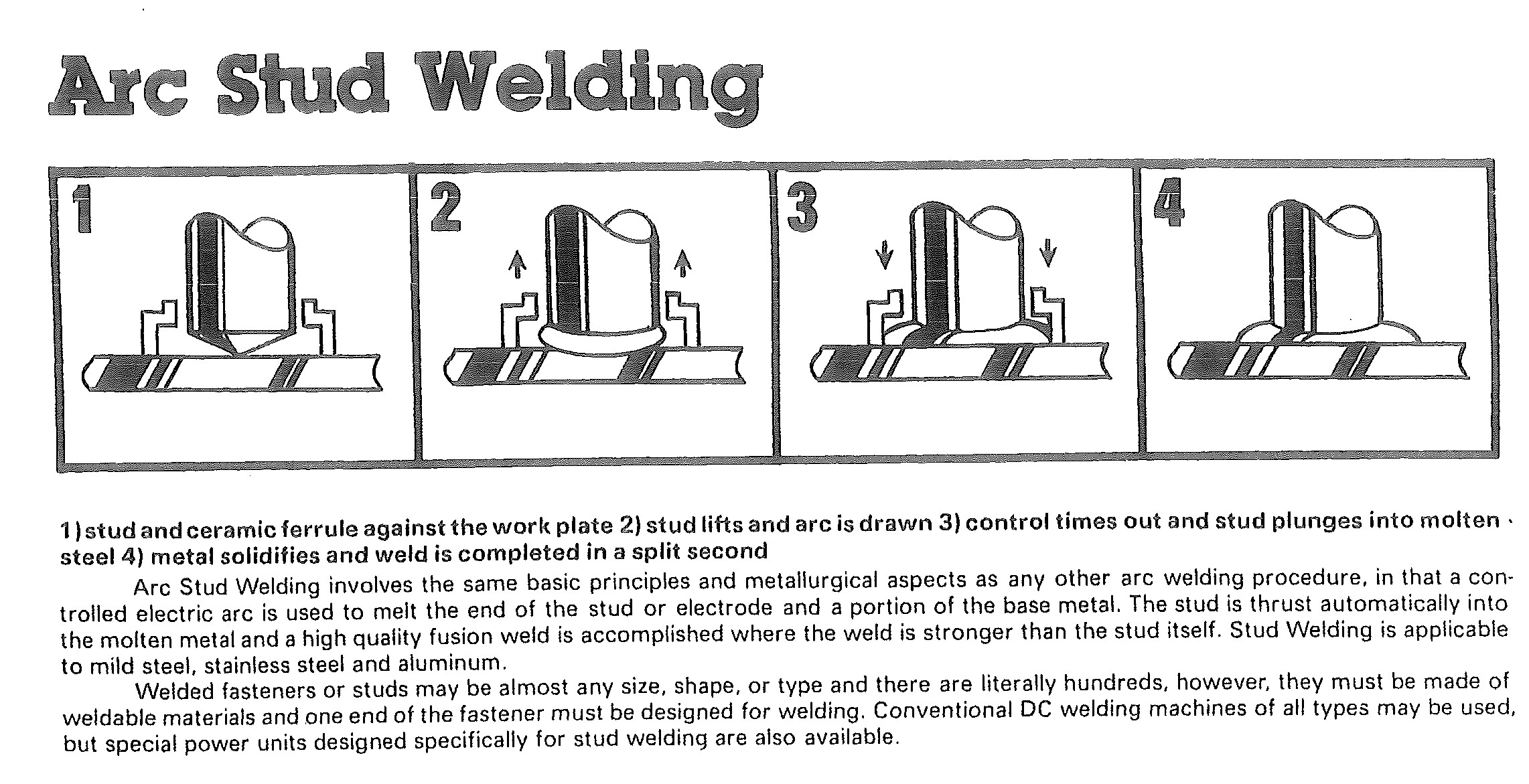
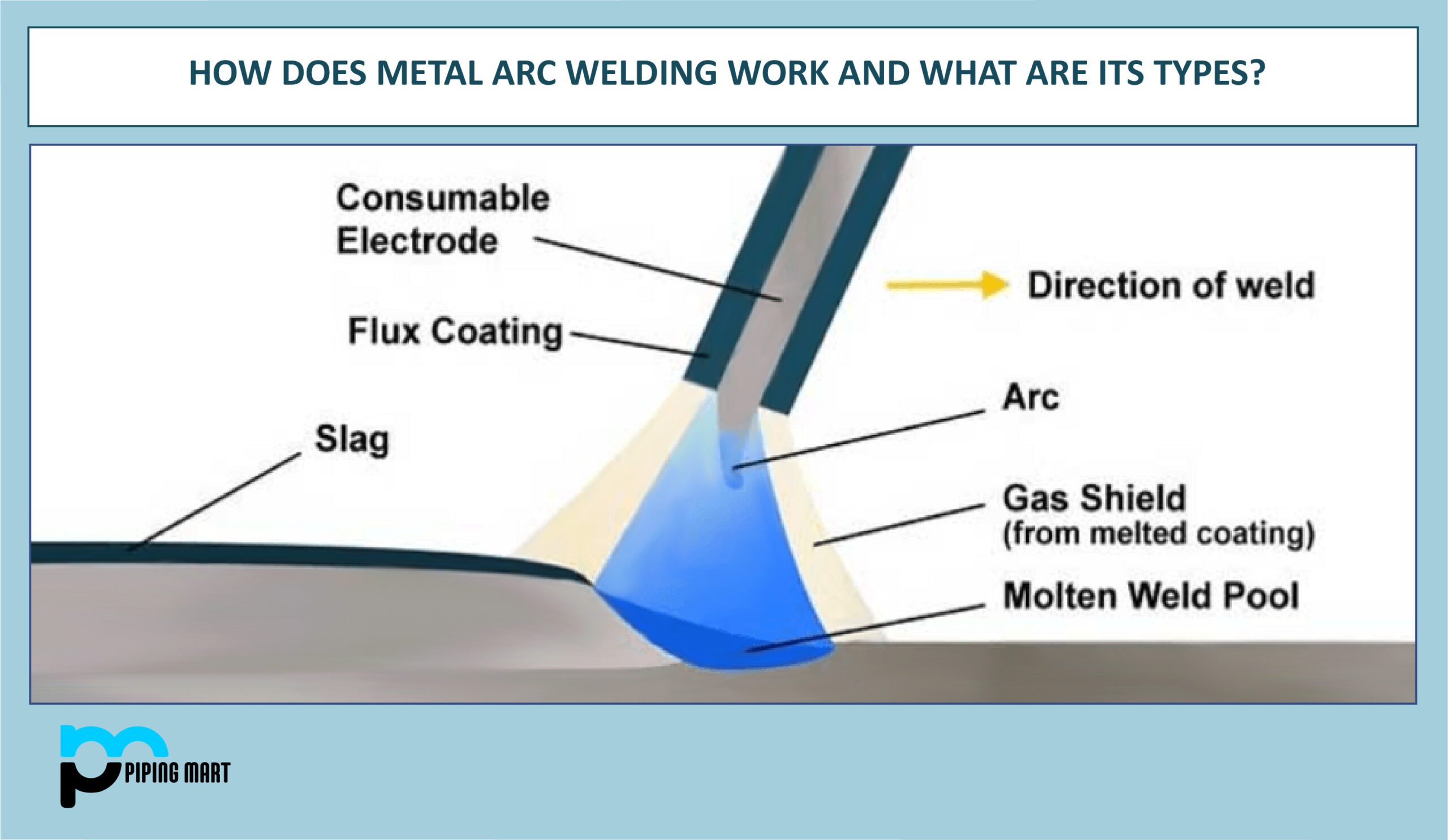
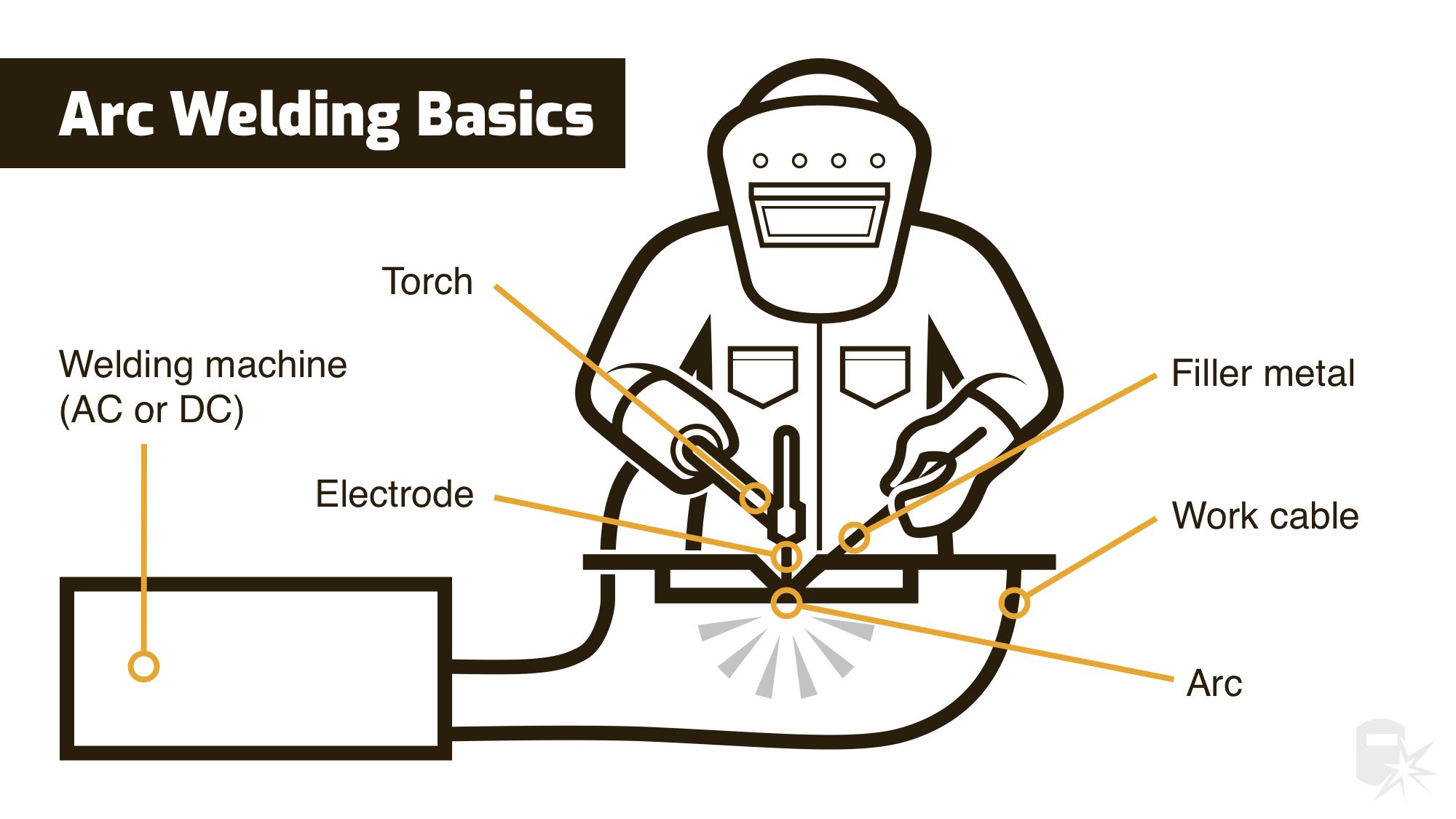
At its core, arc welding is all about using electricity to create enough heat to melt metal. Imagine a tiny, controlled lightning bolt that you can direct with your hands. That's essentially what an arc welder does! You've got an electrical circuit: the welder machine, a ground clamp attached to your workpiece, and an electrode holder with a welding rod. When that rod touches your metal, then lifts just a tiny bit, it completes the circuit and — POOF! — an incredibly hot electrical arc forms.
Must Read
This arc melts both the tip of the welding rod (which acts as filler material) and the base metal you’re working on. As everything cools, it fuses together, creating a super-strong joint. Pretty neat, right? It’s often called Stick Welding or by its fancy acronym, SMAW (Shielded Metal Arc Welding). Simple in concept, powerful in execution.
Why Is This So Awesome, Anyway?
Okay, so it melts metal. Big deal. But here’s why it’s genuinely fascinating and empowering:
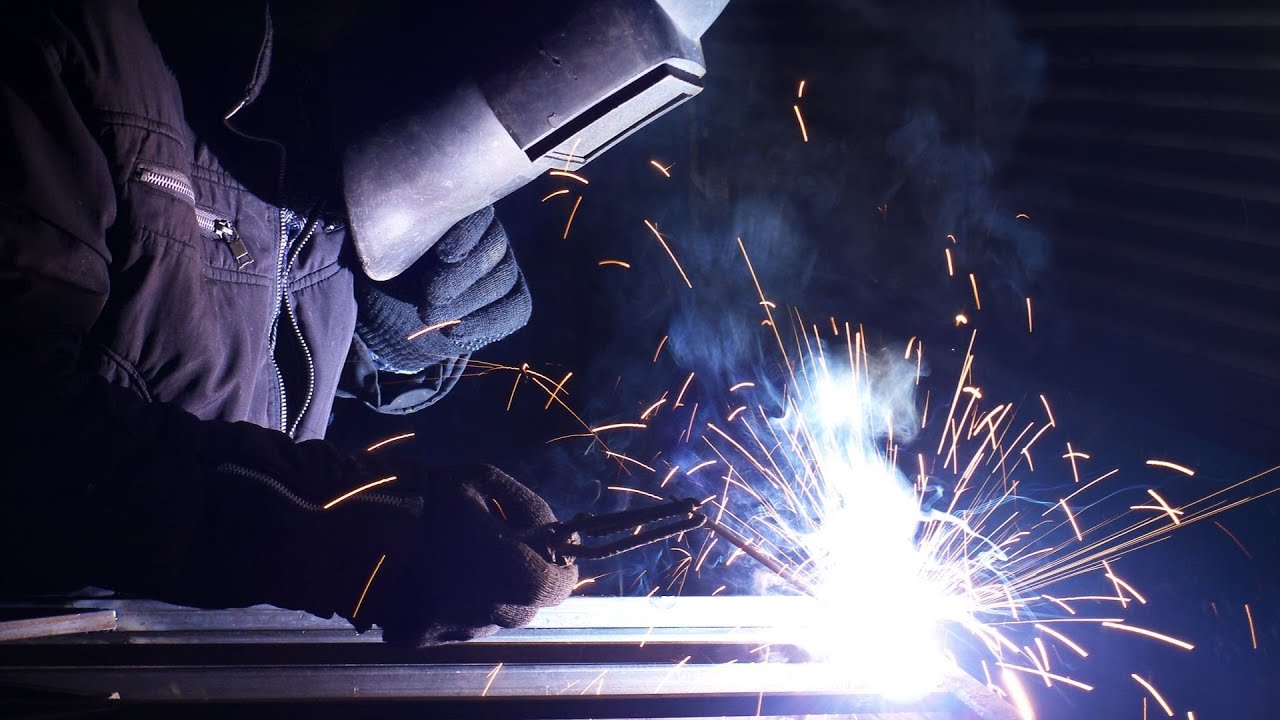
- Fix Anything Metal: Got a broken lawnmower deck? A wobbly chair leg? A fence post that snapped? With a welder, you can often fix these things yourself, saving money and the hassle of replacement. It’s like having a superpower for repairs.
- Create Your Own Stuff: This is where the magic truly happens. Want a custom fire pit? A unique metal sculpture for your garden? A heavy-duty workbench? Welding opens up a whole new world of creative possibilities. You become an artist, shaping metal with fire and light.
- The Sheer Satisfaction: There’s something incredibly primal and satisfying about taking two separate pieces of metal and making them one, permanently. When you see a strong, clean weld, you’ll feel a genuine sense of accomplishment. It’s a tangible skill with immediate, visible results.
Alright, So How Do You Start?
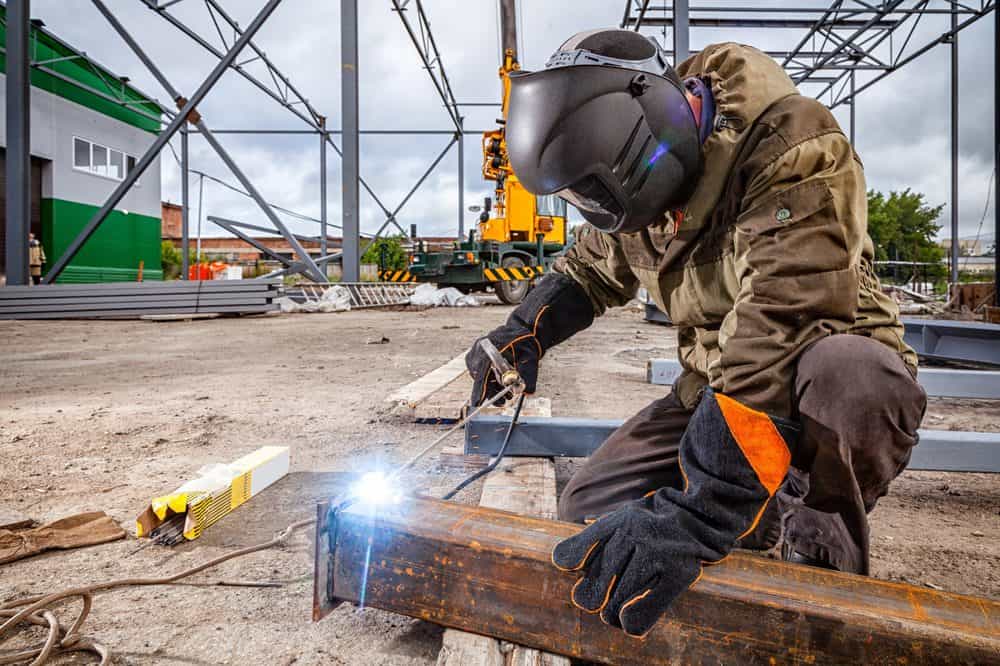
Safety first, always! Welding involves intense heat and bright light, so you absolutely need the right gear:
First and foremost, a welding helmet. This isn't just a fashion statement; it protects your eyes from the incredibly bright arc, which can cause severe damage (think instant sunburn for your eyeballs). Modern helmets often have auto-darkening lenses, making it much easier to see what you're doing before the arc strikes.
You'll also need heavy-duty gloves (leather is great), a long-sleeved jacket (preferably leather or thick cotton, no synthetics!), and sturdy boots. Sparks fly, and hot metal drips, so protecting yourself is paramount. Think of it as your battle armor for manipulating metal.
As for the actual welder, there are many types, but for beginners, a simple stick welder is a fantastic choice. They're robust, relatively inexpensive, and versatile.
The Magic Moment: Striking an Arc
This is often the trickiest part for beginners, but also the most rewarding once you get it. Imagine trying to light a match, but the match is your welding rod and the striking surface is your metal. You need to touch the rod to the metal, then quickly lift it a tiny fraction – just enough to create that buzzing, brilliant arc, but not so much that it breaks. It's a delicate dance of distance and timing.
Once you’ve got that glorious arc going, your goal is to maintain a consistent gap between the rod and the metal, moving the rod steadily along your desired path. You’ll be watching a molten pool of metal form – often called the weld puddle – and guiding it like a tiny, glowing lava flow. The sound will change, the light will shimmer, and you’ll literally be drawing with controlled lightning!
Different welding rods (electrodes) are used for different types of metal and projects. They're coated with a flux that protects the molten metal from contamination in the air, creating a slag that you chip off after the weld cools, revealing the shiny, new metal underneath.
Your First Welds: Embrace the "Ugly"
Let’s be honest: your first welds probably won’t look like they came out of a robot factory. They might be lumpy, inconsistent, or even have holes. And that's perfectly okay! Welding is a skill that requires practice, patience, and a bit of trial and error. Think of it like learning to ride a bike – you fall, you scrape your knee, but eventually, you get the hang of it and are cruising.
The key is to focus on a few things: maintaining a consistent arc length, a steady travel speed, and the right angle of the rod. Listen to the sound – a good weld has a consistent sizzle, like bacon frying. The more you practice, the more your muscle memory develops, and the prettier (and stronger!) your welds will become.
Start with some scrap metal. Get comfortable striking the arc, running straight beads (just a line of weld), and experimenting with different settings on your machine. You’ll quickly start to understand the nuances and get a feel for the metal.
Ready to Fuse Your World?
Arc welding isn't just a technical skill; it's a doorway to a new way of seeing the world – and making it. It allows you to repair, create, and innovate with metal, turning otherwise impossible projects into satisfying realities. So, if you've ever felt that spark of curiosity about how things are made, or wished you could just fix that thing yourself, perhaps it's time to consider grabbing a welding helmet and striking your very first arc. Who knows what incredible creations you might fuse into existence?