How To Weld An Exhaust Pipe
Ever been driving along, only for your car to suddenly sound like a souped-up tractor? Or perhaps you've noticed a strange rumbling from underneath, accompanied by a faint smell of exhaust? Chances are, your exhaust pipe might be calling out for some attention. Before you panic and brace yourself for a hefty mechanic's bill, let me introduce you to a skill that’s not only incredibly practical but also surprisingly satisfying to learn: welding an exhaust pipe. It sounds intimidating, right? But trust me, once you start exploring the world of welding, you'll find it's a fascinating blend of art and engineering, and tackling your car's exhaust is a fantastic entry point.
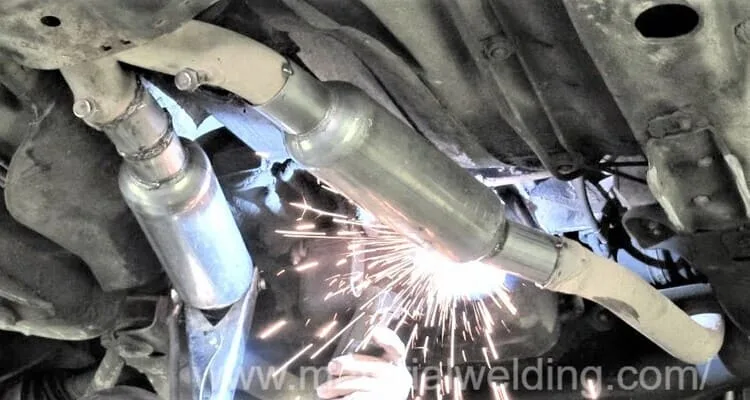
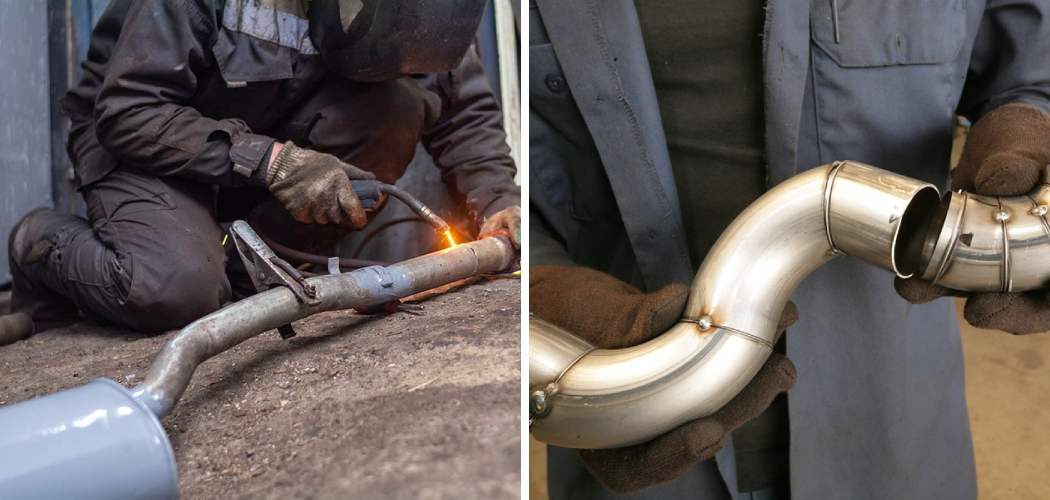
So, why would you want to learn this seemingly niche skill? Well, at its core, welding an exhaust pipe serves a very straightforward purpose: to repair or replace sections of your vehicle's exhaust system. Exhaust pipes, being constantly exposed to heat, moisture, and road salt, are prone to rust and damage. A small hole or a cracked joint can lead to a loud, annoying noise, reduced fuel efficiency, and even dangerous exhaust fumes entering your car's cabin. The benefits of being able to fix this yourself are huge. Firstly, it's incredibly cost-effective. A new exhaust system or even a repair by a professional can run into hundreds of dollars. Doing it yourself, with a little initial investment in tools and materials, can save you a bundle. Secondly, there’s immense satisfaction in seeing a problem, understanding it, and then fixing it with your own hands. It builds confidence and gives you a greater understanding of how your vehicle works.
This skill isn't just for backyard mechanics with greasy hands, either! You’d be surprised where welding pops up. In daily life, beyond fixing your own rattling exhaust, knowing how to weld opens doors to custom fabrication. Imagine making your own heavy-duty shelves for the garage, repairing a broken fence gate, or even building unique metal art. Car enthusiasts frequently weld their own custom exhaust systems for better performance or a specific sound, or install aftermarket parts without relying on expensive shops. In education, welding is a cornerstone skill taught in vocational schools and community colleges, forming the basis for careers in automotive repair, construction, manufacturing, and even artistic metalwork. Many schools offer short, introductory courses specifically designed for beginners, proving that you don't need years of training to get started.
Must Read
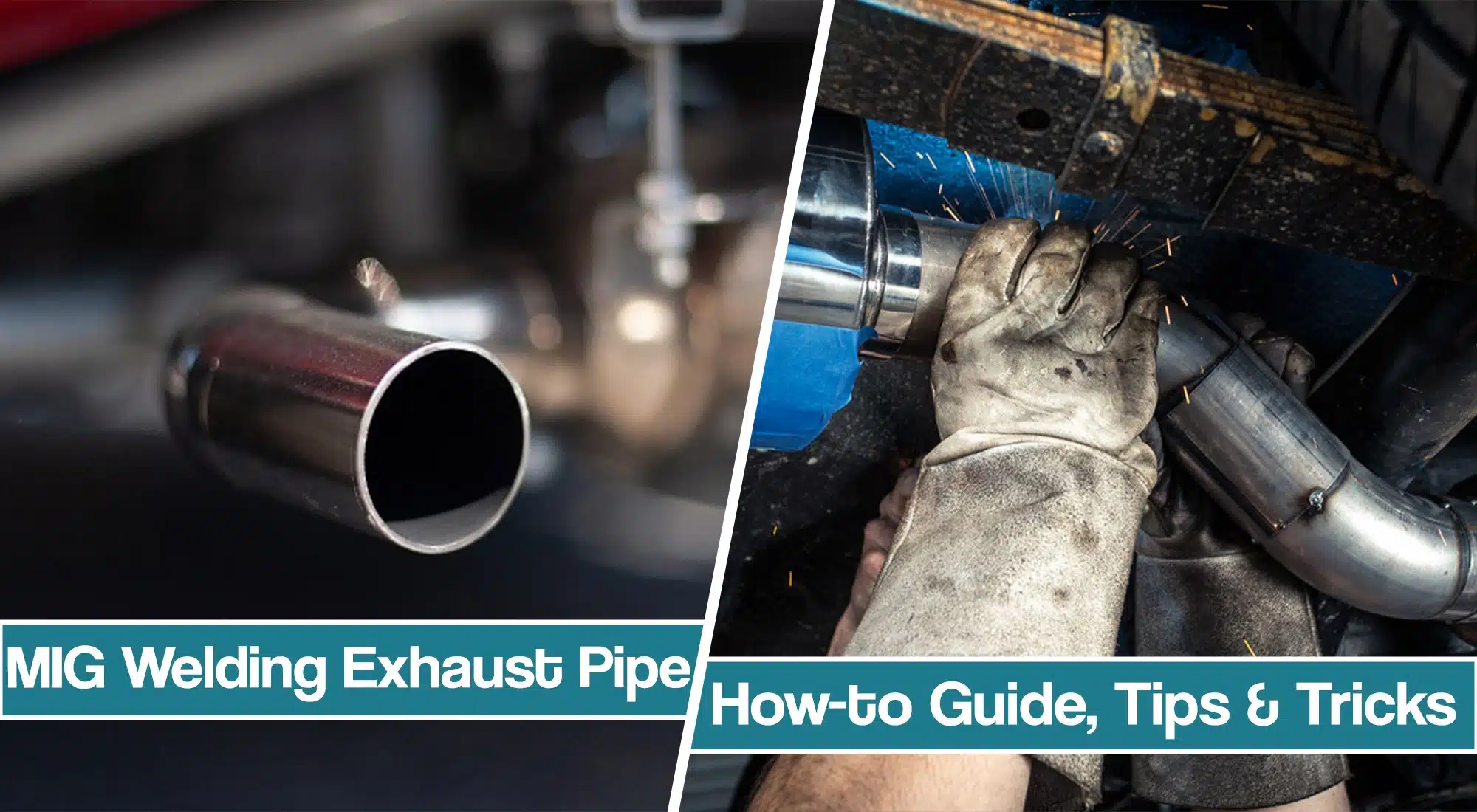
Feeling a spark of curiosity? Great! Here are some practical tips to begin your journey. First and foremost: safety is paramount. Always wear proper personal protective equipment (PPE): a welding helmet, thick gloves, a long-sleeved jacket, and closed-toe shoes. For exhaust work, a MIG welder is often recommended for beginners because it's relatively easy to learn and offers good control. Don't jump straight into welding your car! Start by practicing on scrap metal. Get comfortable laying beads, understanding how the arc works, and adjusting your settings. There are tons of fantastic resources online, from YouTube tutorials to dedicated welding forums, that can guide you through the basics. Many local welding supply stores also offer advice and sometimes even beginner workshops. Remember, every expert welder started as a beginner. So, grab a helmet (figuratively, for now!), watch some videos, maybe sign up for an introductory class, and start exploring the fascinating world of welding. Who knows, your car's next exhaust repair could be your very own DIY triumph!