Imagine holding a tiny lightning bolt in your hand. Not a dangerous one, but a controlled, focused beam of pure energy. This is a little what it feels like to approach TIG welding aluminum.
It's often seen as the tricky sibling in the welding family. Some might even call it the diva. But once you get to know it, welding aluminum with TIG can be a truly captivating experience.
It’s less about brute force and more about a delicate dance. A rhythm between heat, material, and your own steady hand.
The TIG machine itself hums, a low, confident growl that promises power. Yet, the torch feels surprisingly light and precise, like a conductor’s baton ready to orchestrate a symphony of sparks.
Meeting the Metal: Aluminum's Charm
Aluminum is a fascinating character. It’s light, strong, and incredibly common, from soda cans to spacecraft. But when it comes to welding, it has its own unique personality.
It loves to play coy, hiding behind a thin, tough oxide layer. This layer needs to be dealt with, not with aggression, but with a gentle, alternating current that cleans as it heats.
Think of it as coaxing a shy friend out of their shell. You don't yank them; you offer a warm invitation. The electrical current acts like that invitation, subtly prepping the surface.
Then, the real fun begins. You press the foot pedal, and a focused arc ignites, a tiny, brilliant star. It's shockingly bright, so your helmet immediately darkens, immersing you in a world of emerald green.
Aluminum TIG Welding for Beginners: How to Stack Dimes | Everlast
The Shimmering Pool of Possibility
Under that intense light, the aluminum quickly starts to change. It doesn't glow red like steel; instead, a shimmering, liquid puddle forms. It looks like liquid silver, almost magical in its molten state.
This little pool is the heart of the operation. It's alive, swirling and reflecting, a tiny galaxy of molten metal. And you, the welder, are its master, its guide.
Controlling this shimmering pool is like trying to balance a drop of mercury on a smooth surface. It wants to spread, to wander, but your focus keeps it contained.
"That shimmering pool is a tiny, fiery universe," a seasoned welder once told me. And he wasn't wrong; it truly feels like observing creation in miniature.
Now comes the filler rod, a slender piece of pure aluminum wire. It’s like a delicate silver paintbrush, ready to add color to your molten canvas.
You carefully dip the rod into the leading edge of the puddle. Each gentle dip adds a precise amount of material, building the weld bead little by little.
HOW TO TIG WELD ALUMINUM - HOW I PRACTICE PT1 - YouTube
The Rhythm and the Ripple
This is where the dance truly takes shape. A steady hand on the torch, a precise touch with the rod, and a consistent rhythm with the foot pedal controlling the heat.
It’s like patting your head and rubbing your stomach, but with intense light and molten metal. It takes practice, patience, and a good sense of timing.
You’re not just joining two pieces of metal; you’re creating a continuous string of perfectly formed, overlapping puddles. Each one a tiny triumph.
There's a subtle sound, a crisp hiss, almost like frying bacon, but much more refined. It’s the sound of electricity doing its work, a comforting audio cue that you're on track.
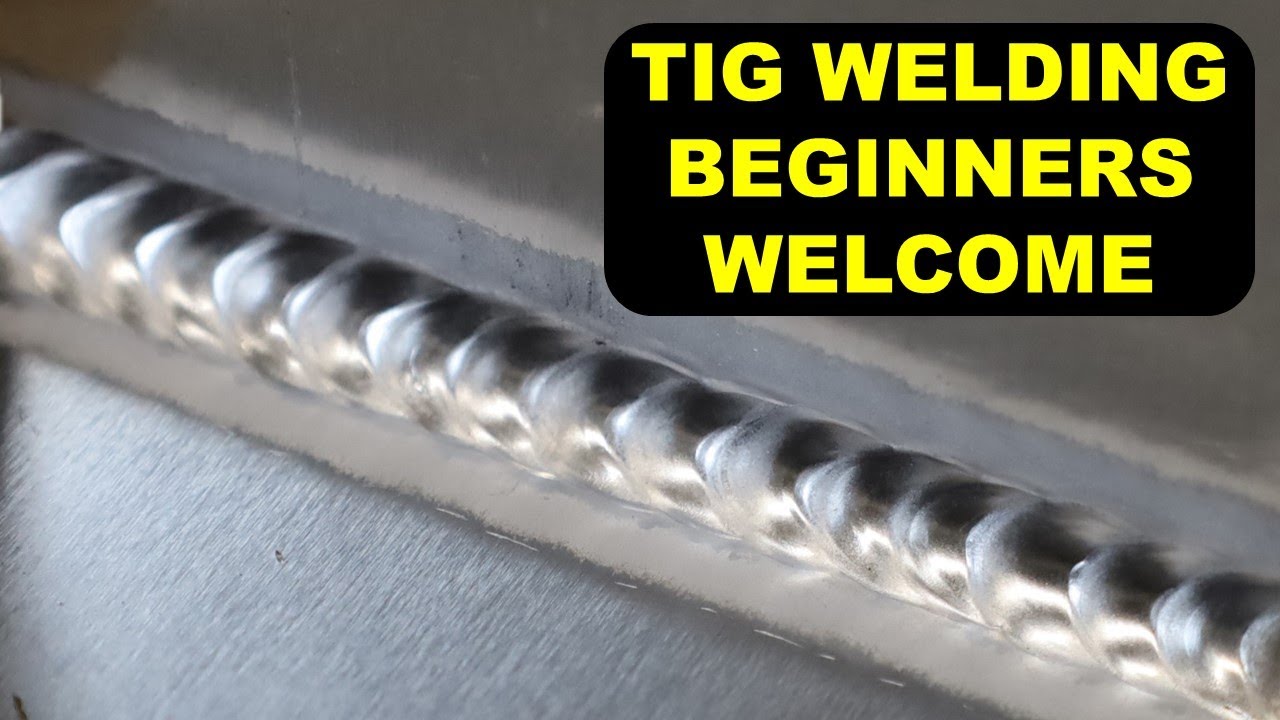
The goal is to create a series of uniform, coin-like ripples. Each ripple is a testament to your focus, a signature of your skill. When they connect perfectly, it’s a truly satisfying sight.
Aluminum TIG Welding Basics for Beginners | How to TIG Weld Aluminum
Moments of Humorous Frustration and Heartwarming Success
Of course, it’s not always perfect from the start. Aluminum can be a finicky friend.
Too much heat, and it sags like a tired soufflé. Too little, and the puddle just sits there, stubbornly refusing to merge. These moments can lead to a good-natured chuckle at your own expense.
You might "blow through" the material, creating a gaping hole. It feels a bit like popping a bubble – surprising and slightly deflating. But these are all part of the learning curve.
Then comes the moment, the "aha!". Your hand moves just right. Your timing clicks. And suddenly, those perfect, shimmering ripples start to appear, one after another.
It’s a feeling of pure accomplishment. A tiny, silver ribbon of perfection that you created. You might even want to show it off, just a little.
The first time I laid down a truly beautiful aluminum TIG weld, I felt a silly surge of pride. It was as if I’d just baked the perfect loaf of bread, glistening and golden. Except it was silver and shiny.
get the BEST ARC CONTROL tig welding aluminum (here's how) how to tig
It's a testament to the fact that even seemingly complex tasks can be broken down into manageable, enjoyable steps. Each successful weld is a small victory.
Beyond the Arc: A New Perspective
TIG welding aluminum is more than just a skill; it's an art form. It's about precision, patience, and understanding the unique personality of the metal.
It teaches you focus, a meditative state where the outside world fades, and only the shimmering puddle matters. It's a surprisingly calming activity, despite the intense light.
Next time you see a beautifully welded aluminum boat, a sleek bicycle frame, or a delicate sculpture, remember the delicate dance involved. Remember the whisper of silver light.
It’s a reminder that beauty and strength can be forged with meticulous care, not just brute force. And that learning something new, even something initially intimidating, can be incredibly rewarding.
It's an invitation to see the world of fabrication with fresh eyes, appreciating the intricate details and the skilled hands that bring them to life. Perhaps it might even inspire you to pick up a torch yourself!