How To Weather Seal French Doors
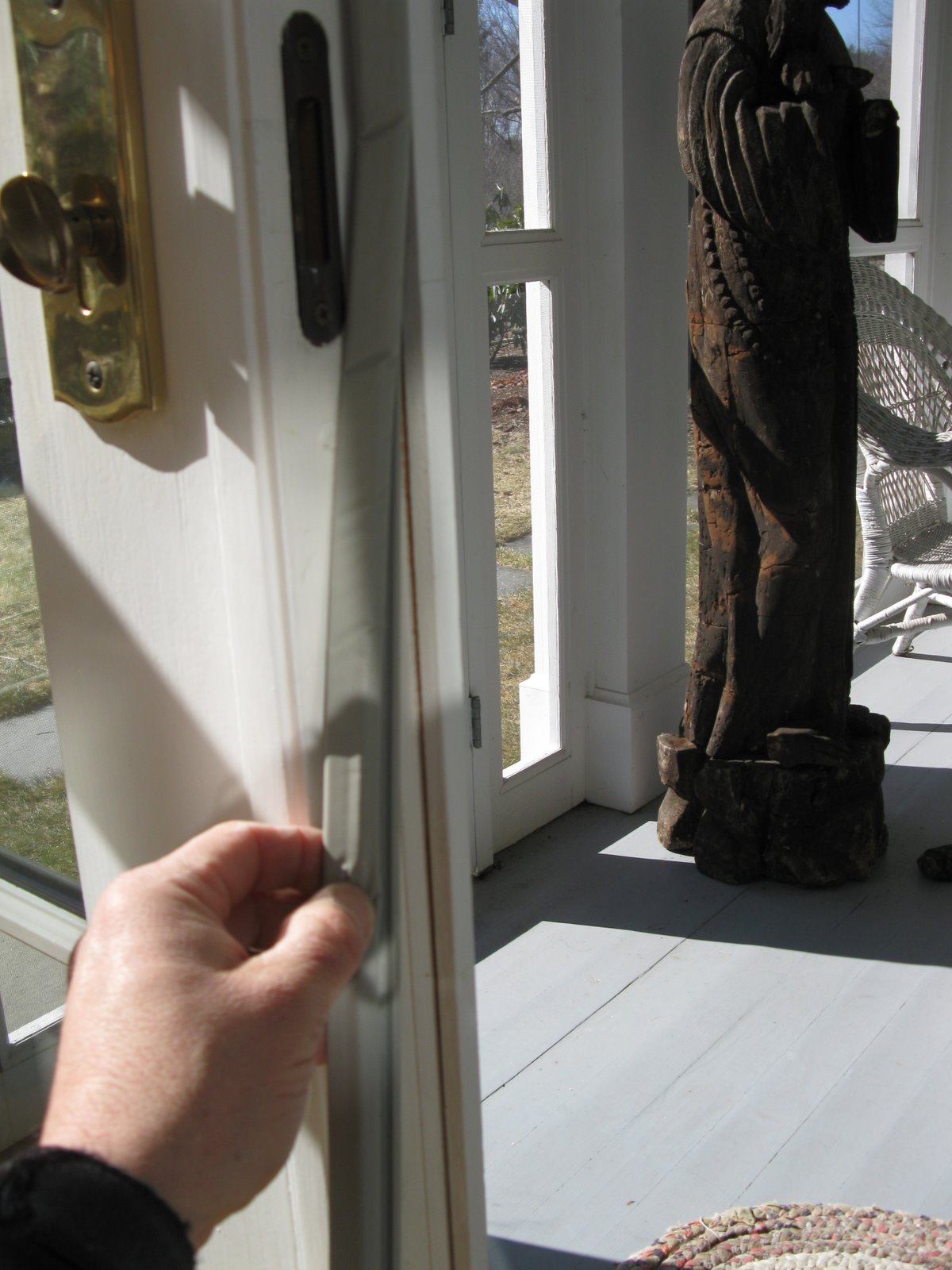
Imagine a cozy evening at home. You're curled up with a good book and a warm drink, but wait – is that a chilly draft sneaking in from your beautiful French doors? Annoying, right? Or perhaps you've noticed your energy bills creeping higher, or even tiny unwelcome guests trying to make their way inside. This isn't just about keeping the cold out; it's about reclaiming your home's comfort, saving some cash, and protecting your elegant French doors for years to come. Weather sealing might sound like a chore, but trust us, it's one of those satisfying DIY projects that delivers instant gratification and long-term benefits! It's about turning those beautiful portals into true fortresses of comfort.
So, why bother? The purpose of weather sealing is simple yet powerful: it creates a tight barrier against the elements. The benefits are numerous. First and foremost, you'll enjoy a much more comfortable home. No more battling chilly drafts in winter or letting precious cool air escape in summer. This directly translates to significant savings on your energy bills, as your HVAC system won't have to work overtime. Beyond comfort and cost, weather sealing acts as a crucial defense against moisture, which can lead to costly damage, and keeps out dust, pollen, and even those pesky bugs. It also helps to reduce outside noise, making your home a quieter sanctuary. Plus, by protecting your doors from the elements, you're extending their lifespan and preserving their beauty.
Ready to tackle this satisfying project? Here’s a friendly guide to sealing those stylish French doors.
Must Read
First, give your doors a good inspection. Look for any visible gaps when the doors are closed. A simple trick is to have someone shine a flashlight from outside while you look from inside – if you see light, you've found a leak!
You'll mainly be focusing on three key areas:
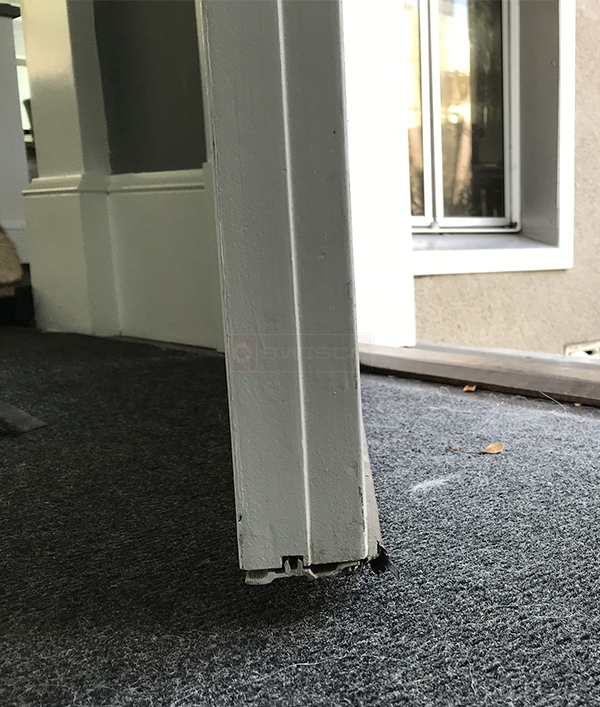
1. The Gap Between the Two Doors: This is a common culprit. For the active door (the one you open regularly), install a piece of self-adhesive foam or vinyl weatherstripping along the entire vertical edge where it meets the inactive door. For the inactive door, consider a specific "astragal" weatherstrip that seals this joint effectively.
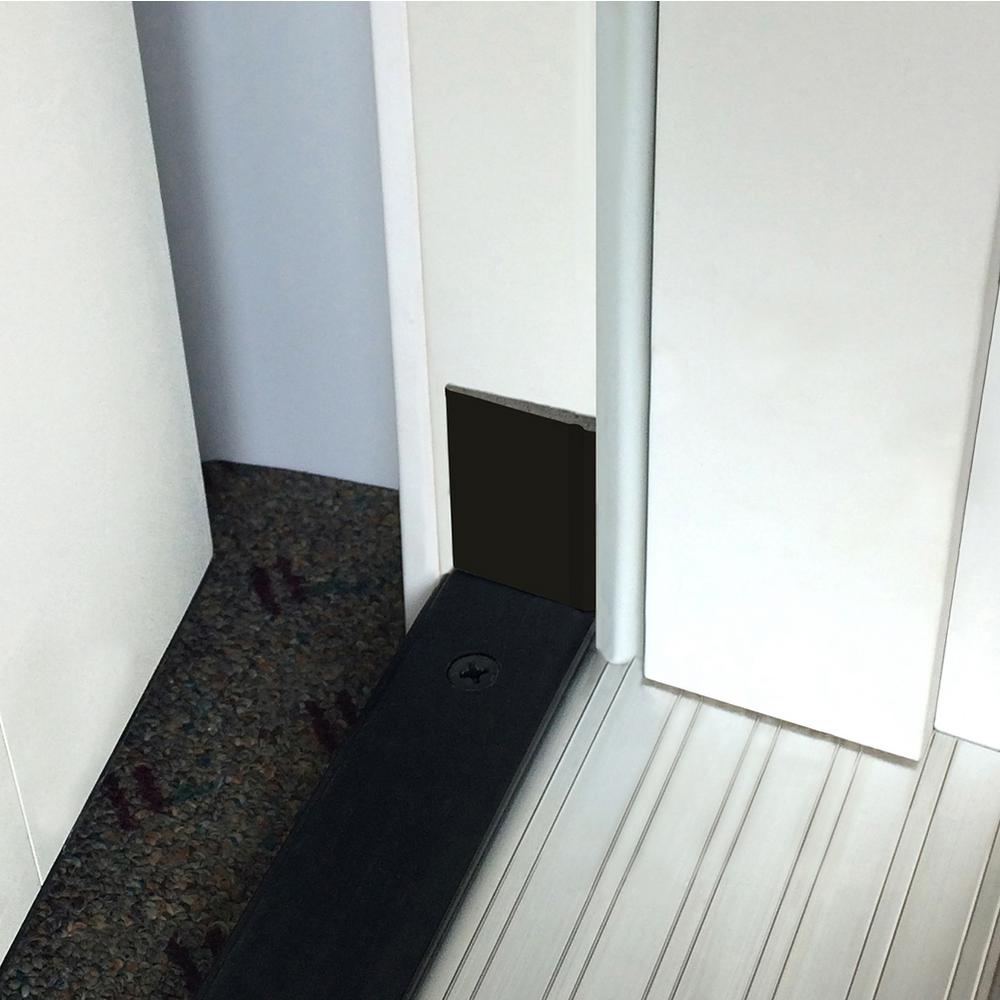
2. The Bottom of the Doors: Cold air loves to sneak under. Install a good quality door sweep on the bottom of both doors. There are various types, including vinyl, brush, or finned sweeps, designed to create a tight seal against the threshold without impeding opening and closing.
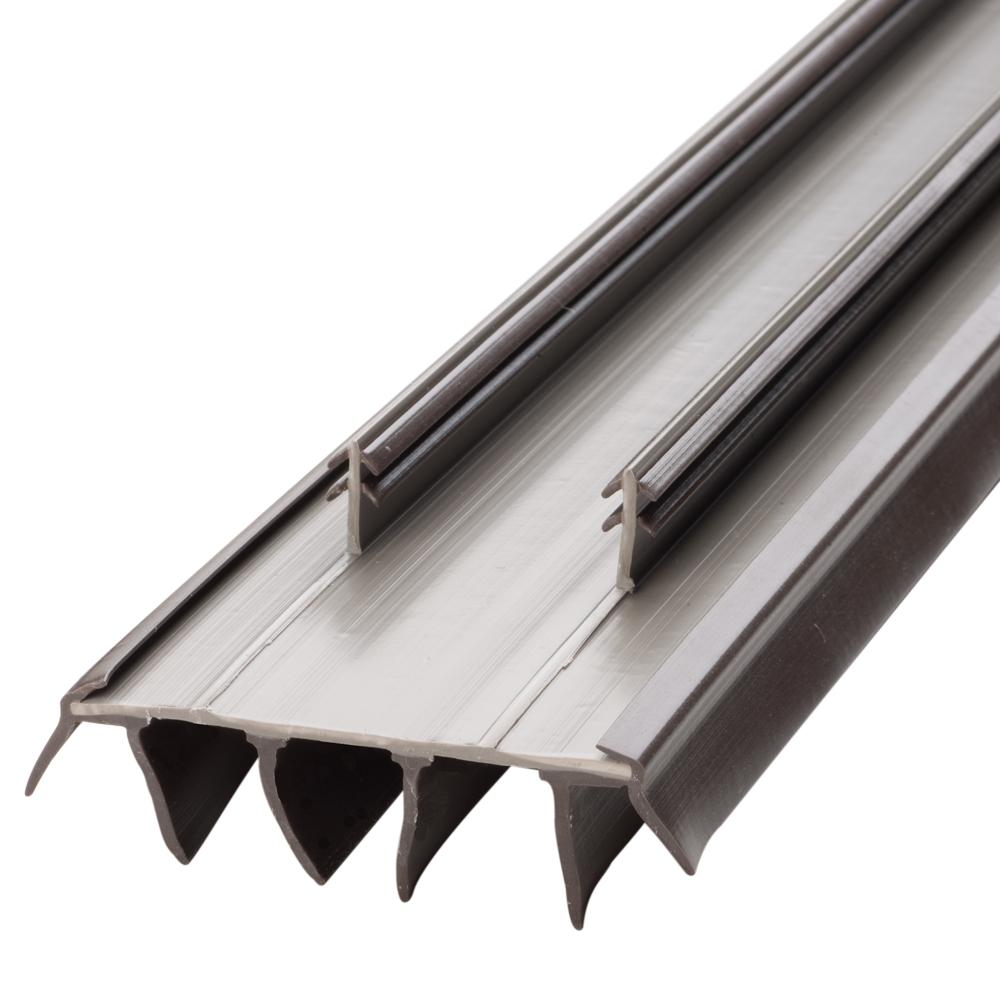
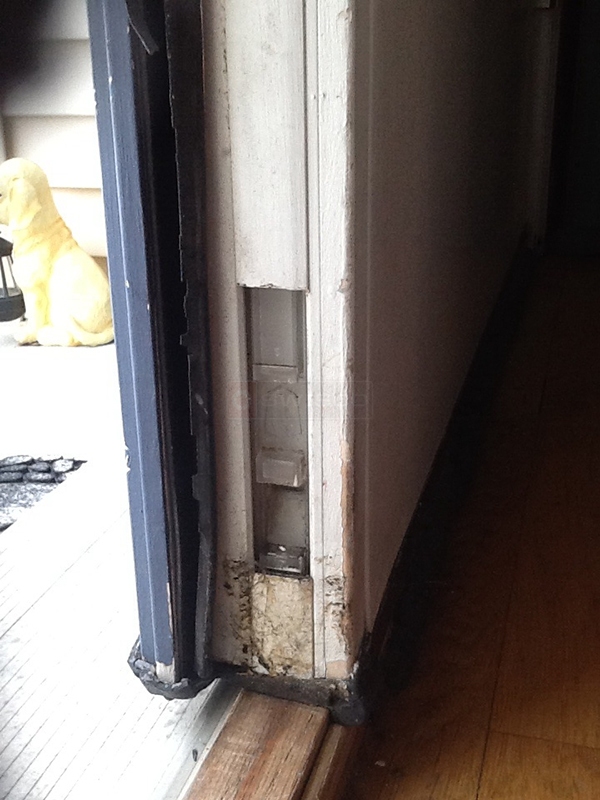
3. The Door Frame: Check the entire perimeter where the doors meet the frame. Self-adhesive D-profile or V-strip weatherstripping can be applied here. For larger gaps, you might consider more robust compression weatherstripping. Don't forget the threshold itself! Ensure it's level and forms a tight seal with the door sweeps. Sometimes, a simple adjustment of the threshold or adding a gasket can make a huge difference. If you have any stationary gaps in the frame, exterior-grade caulk is your best friend.
Before applying anything, make sure all surfaces are clean and dry for optimal adhesion. Test your doors after each application to ensure they still close and latch properly. You want a snug fit, not a struggle!
And there you have it! With a little bit of effort and some smart sealing, your beautiful French doors will no longer be energy vampires or draft factories. Instead, they'll be perfectly sealed guardians of comfort, contributing to a warmer, quieter, and more energy-efficient home. So grab your weatherstripping, embrace the DIY spirit, and enjoy the blissful comfort that awaits!