
How To Wake Up Newborn To Eat

Alright, new parents! You’ve finally got your precious little bundle of joy snoozing peacefully. The house is quiet, you might even be thinking about that hot cup of coffee, or perhaps a quick nap yourself. Then, a little voice in the back of your head (or your pediatrician’s voice from your last appointment!) whispers, “Shouldn’t I be waking them up to eat?” Ah, the age-old dilemma: let a sleeping baby lie, or gently rouse them for their next fuel-up? For tiny newborns, especially in those first few weeks, the answer is usually “wake 'em up, buttercup!” And don't worry, we're going to talk about how to do it gently, without turning into the baby equivalent of a drill sergeant.
Why Bother Waking a Sleeping Angel?
It feels a bit counterintuitive, doesn't it? Like interrupting a beautiful dream. But think of your newborn as a tiny, adorable, incredibly important little machine that needs regular refueling to grow big and strong. They’re like a smartphone that needs frequent charges – if you let the battery drain too low, it takes ages to get it back up and running! Newborns, especially those under two weeks old or if they're smaller, often have tiny tummies that empty quickly. They need to eat frequently – typically every 2-3 hours, sometimes more – to gain weight, stay hydrated, and keep their blood sugar stable.
Plus, those early feeds are crucial for establishing a good milk supply if you're breastfeeding, and for helping your baby learn the ropes of efficient feeding. It also helps prevent excessive weight loss and can even stave off jaundice, which is a common issue where babies become a bit yellow from too much bilirubin. So, think of waking them as giving them the best possible start, like watering a precious sprout so it can truly blossom. It's not being mean; it’s being a super smart, attentive parent!
Must Read
The Art of the Gentle Wake-Up Call
Now for the fun part: how do we nudge our little sleepyhead awake without startling them? We're aiming for a gentle transition from dreamland to dinner time, not a rude awakening! Here are some tried-and-true methods that most parents swear by:
1. Let in the Light (Subtly!)
Sometimes, just a subtle shift in their environment is enough. If they’re napping in a darkened room, try gently opening the curtains or blinds a little. The change in light can often stir them without a full jolt. You can also try turning on a soft light if it's dark. It’s like turning on the bedside lamp instead of the overhead floodlight – much kinder!
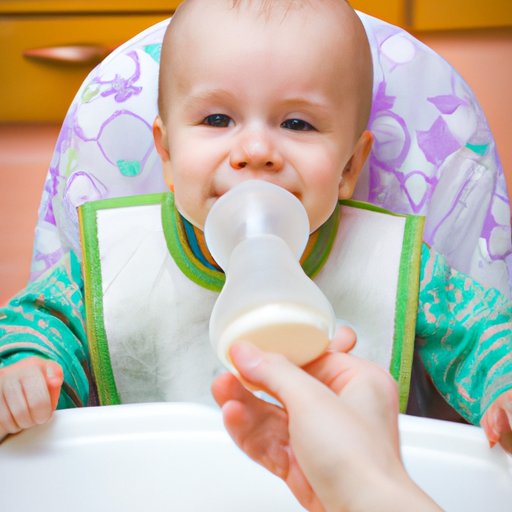
2. The "Undress and Assess" Method
This is a classic for a reason! Babies love being cozy, and sometimes being just a little less cozy does the trick. Gently unwrap them from their swaddle, take off their sleep sack, or even just their top layer of clothing. The slight change in temperature and sensation often works wonders. It's like someone gently pulling off your warm blanket on a chilly morning – you might grumble, but you'll definitely notice!
3. The Diaper Change Decoy
Ah, the legendary diaper change. This one is often the big gun in your gentle wake-up arsenal. The cool air on their skin, the movement, and especially a cool wipe on their bottom (don't worry, it's not painful, just surprising!) is usually enough to bring them to a more alert state. Plus, bonus points: you're dealing with a wet or dirty diaper before the feed, which means a potentially longer stretch of sleep after the feed. Win-win! Think of it as their alarm clock, but with a practical purpose.

4. Skin-to-Skin Snuggles
This method is not only effective but also incredibly bonding and lovely. Take off your shirt and place your baby directly on your bare chest. The warmth of your skin, the sound of your heartbeat, and the gentle closeness can often help them stir naturally and feel safe. It can also encourage them to root around and seek out a feed on their own. It's like a soft invitation to breakfast, accompanied by the most comforting hug.
5. Gentle Rubs and Tickles
If they're still deeply snoozing, try some gentle physical stimulation. Stroke their cheek, rub their back, gently massage their feet, or even tickle their palms. Sometimes just a little pressure or movement is all it takes. Avoid anything sudden or jerky; think of it as coaxing them awake, not startling them. Imagine trying to wake up a teenager – a gentle foot rub is usually more effective (and less likely to get a groan!) than a shout.

6. Change of Scenery or Position
Sometimes a simple change can make a difference. Move your baby to a different room, or simply change their position in your arms or on your lap. The new view or angle can sometimes be just enough to gently bring them around. You can also try holding them upright for a bit, as this can make them more alert.
A Little Nudge Goes a Long Way
Remember, the goal isn't to make them wide awake and ready to party, but just alert enough to latch on and feed effectively. They might still be a little groggy, and that's perfectly normal! Once they start feeding, they usually perk up. If your baby is consistently difficult to wake for feeds, or if they seem excessively sleepy, it's always a good idea to mention it to your pediatrician or a lactation consultant. They can offer personalized advice and reassurance.
So next time you see your little one sleeping like a champion, take a deep breath, offer a silent apology for the interruption (which they won't remember anyway!), and gently start the wake-up process. You're not being a party pooper; you're being a loving, responsible parent helping them grow, thrive, and get all the yummy goodness they need. And soon enough, those feeding stretches will naturally get longer, and you'll be able to let that sleeping baby lie for glorious, uninterrupted stretches. Until then, happy nudging!
