
How To Ventilate A Basement Without Windows
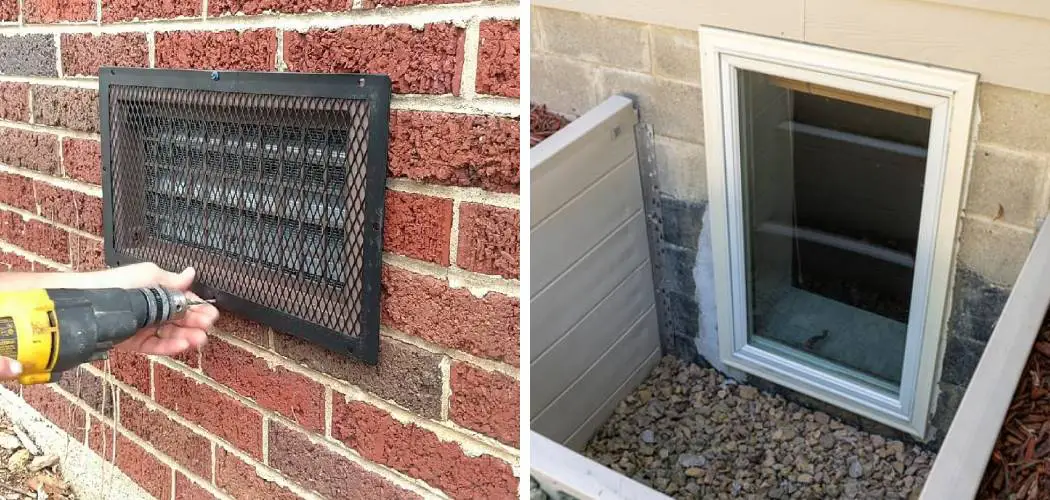
So, you've got a basement, huh? A subterranean sanctuary! Maybe it's a man-cave, a she-shed, or just a place where holiday decorations go to plot their world domination. But here's the thing: basements without windows can sometimes feel a little… stuffy. Like you're breathing air that's already been breathed by dust bunnies and forgotten gym socks.
The Fan-tastic Solution
First, let's talk fans! These aren't your grandma's dainty little hand fans (though those are lovely for a Victorian picnic). We're talking about serious air-moving machines. Think of them as tiny tornadoes, politely contained within a plastic cage.
Get yourself a box fan, a pedestal fan, maybe even a ceiling fan if you're feeling fancy. Put them to work! Aim them strategically to push that stale air out of the basement and pull in the fresh stuff from upstairs.
Must Read
Fan Placement is Key
This is where the art comes in. Don't just plop a fan down and hope for the best. Think about the airflow! Imagine you're a tiny wind spirit, guiding the breeze to where it needs to go.
One trick is to place a fan near the top of the basement stairs, blowing upwards. This helps to create a sort of "air curtain," pushing the basement air upwards and outwards.
You can also position a fan near an interior door that leads to a more ventilated part of the house. Let it suck the fresh air in and distribute it around the basement. Voila! Breezy basement bliss.
The Dehumidifier Dynamo
Next up, we have the dehumidifier! This magnificent machine is like a tiny weather god, banishing moisture and making your basement feel less like a swamp and more like a… well, a slightly less swampy basement.
Basements are naturally prone to dampness, especially if they're underground. Excess moisture can lead to mold, mildew, and that general "ick" factor. A dehumidifier sucks all that wetness out of the air, leaving you with a drier, more comfortable space.
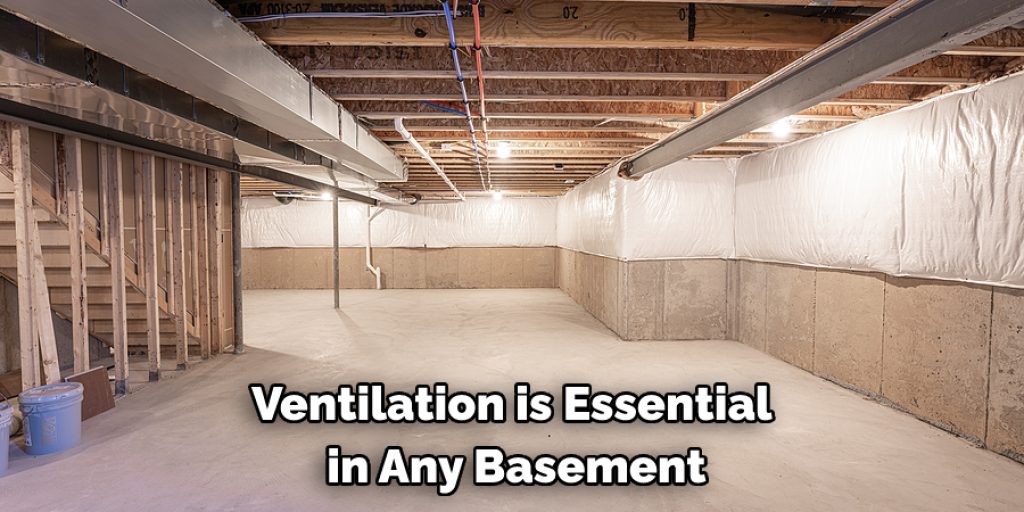
Choosing Your Dehumidifier
Dehumidifiers come in all shapes and sizes. Picking the right one depends on the size of your basement and how damp it is.
For a smaller basement, a portable dehumidifier might do the trick. Just plug it in, set the humidity level, and let it do its magic. For a larger or particularly damp basement, you might need a heavy-duty model or even a whole-house dehumidifier system.
Don't forget to empty the water tank regularly! Some dehumidifiers have a hose that can be connected to a drain, so you don't have to worry about it filling up. It's like a never-ending fountain of pure, distilled water… except you definitely shouldn't drink it.
The Air Purifier Powerhouse
Now, let's talk about air purifiers! These are the unsung heroes of basement ventilation. They're like tiny ninjas, silently fighting off dust, pollen, pet dander, and all sorts of other airborne nasties.
Air purifiers work by drawing air through a filter that traps particles. Some purifiers also have activated carbon filters that absorb odors and gases. This means they can help get rid of that musty basement smell. Hooray!
Air Purifier Placement: The Art of Zen
Just like with fans, placement is key when it comes to air purifiers. You want to put it in a location where it can circulate air effectively. Consider putting the purifier close to the center of the basement, or near a source of potential pollutants, such as a pet bed or a workbench.

And don't forget to clean or replace the filters regularly! A clogged filter is like a blocked nose for your air purifier, preventing it from doing its job properly. Give it some TLC, and it will reward you with cleaner, fresher air.
Embrace the Power of Indoor Plants
Did you know that plants can help purify the air? It's true! They're like little green lungs, sucking up carbon dioxide and releasing oxygen. Plus, they look pretty! It's a win-win situation.
Certain plants are particularly good at removing toxins from the air. These include snake plants, spider plants, and peace lilies. They're relatively low-maintenance and can thrive in the low-light conditions of a basement.
Plant Placement: A Botanical Ballet
Arrange your plants strategically around the basement. Grouping them together can create a little oasis of fresh air. Place them near areas where you spend the most time, such as your couch or desk.
Just remember to water them regularly, and give them a little sunlight from time to time. If your basement is truly dark, you might need to invest in a grow light.
Open the Door (Sometimes)
Okay, this one might seem obvious, but it's worth mentioning. If you have a door leading to the outside, open it up sometimes! Even a little bit of fresh air can make a big difference.

Choose a day when the weather is nice and the air is dry. Open the door and let the sunshine and breeze flood in. It's like giving your basement a big, refreshing hug.
Timing is Everything
Don't open the door when it's raining or humid! You don't want to make your basement even damper. And if you live in an area with lots of bugs, you might want to install a screen door to keep them out. You want fresh air, not a swarm of buzzing intruders.
Consider an Exhaust Fan
If you're really serious about ventilating your basement, you might want to consider installing an exhaust fan. This is a fan that's specifically designed to remove stale air from a room.
Exhaust fans are often used in bathrooms and kitchens, but they can also be effective in basements. They work by sucking air out of the room and venting it to the outside. This helps to create a negative pressure, which draws fresh air in from other parts of the house.
Installation Considerations
Installing an exhaust fan can be a bit tricky, so you might want to hire a professional. You'll need to cut a hole in the wall or ceiling and run electrical wiring. But once it's installed, an exhaust fan can be a powerful tool for ventilating your basement.
Think About Air Sealing
Okay, this one is a bit more involved, but it can make a big difference in the long run. Air sealing involves sealing up any cracks or gaps in your basement walls and foundation. This prevents air from leaking in and out, which can help to reduce humidity and improve ventilation.

Common areas to seal include cracks in the foundation, gaps around windows and doors, and openings around pipes and wires. You can use caulk, weather stripping, or spray foam to seal these areas.
Benefits of Air Sealing
Air sealing can not only improve ventilation but also save you money on energy bills. By preventing air leaks, you can reduce the amount of heating and cooling needed to keep your basement comfortable.
Regularly Inspect for Moisture Problems
Finally, make sure to regularly inspect your basement for any signs of moisture problems. This includes water stains, mold, mildew, and musty odors.
Addressing moisture problems early can prevent them from becoming more serious and costly. If you find any leaks or damp spots, fix them immediately. You might also want to consider hiring a professional to inspect your basement for any hidden moisture issues.
The End Result: A Breath of Fresh Air!
By implementing these strategies, you can transform your basement from a stuffy, stale space into a fresh, inviting retreat. You'll be breathing easier, your belongings will be protected from moisture damage, and you'll have a space that you can truly enjoy. So go forth and ventilate! Your basement will thank you for it.
Remember, creating a well-ventilated basement is like conducting an orchestra. You need to coordinate all the different instruments (fans, dehumidifiers, air purifiers, plants) to create a harmonious symphony of fresh air. And who knows, maybe you'll even discover your inner maestro along the way!