How To Use Usb-c To Hdmi Android

Ever look at your sleek Android phone, packed with photos, videos, games, and productivity apps, and wish you could experience it all on a much bigger screen? Maybe you've thought about showing off your latest vacation pictures to the whole family without huddling around a tiny display, or perhaps you've dreamed of playing your favorite mobile game on a giant TV. Well, get ready, because there’s a wonderfully simple trick that makes this not just possible, but incredibly easy: using a USB-C to HDMI adapter with your Android phone. It's a bit like discovering a secret superpower for your pocket-sized supercomputer, opening up a world of visual possibilities right from your palm.
At its heart, the purpose of this neat little setup is to mirror your Android phone's screen directly onto any display with an HDMI input – think TVs, monitors, or projectors. The benefits are immediately obvious and incredibly handy. For starters, it offers a much larger viewing experience, saving your eyes from squinting at small text or details. It's fantastic for sharing content with groups, making presentations, or simply enjoying your media in a more immersive way. The beauty lies in its plug-and-play simplicity; there's usually no complicated setup or software installation required. It just works, turning your phone into a versatile media hub or presentation tool.
Imagine the possibilities in education. For students, it means easily displaying group projects from a phone onto a classroom monitor, or sharing research findings during a study session without passing the phone around. Teachers can use it to project educational apps, interactive quizzes, or videos directly from their phone, making lessons more dynamic and engaging. Instead of a bulky laptop, your phone becomes the lightweight, portable source for all your visual aids, fostering a more interactive and collaborative learning environment for everyone involved. It’s about making information more accessible and visually impactful.
Must Read
In daily life, the uses are just as abundant and often even more fun! Heading to a friend's house and want to show off your latest travel photos? Plug your phone into their TV. Going on vacation and want to stream your favorite movies or shows from your phone onto the hotel TV? Easy peasy. Mobile gaming gets a serious upgrade when played on a large screen, transforming casual taps into a more console-like experience. Even for quick, impromptu work presentations, you can connect your phone to a conference room display in seconds, leaving your laptop safely in your bag. It simplifies entertainment and communication in countless scenarios.

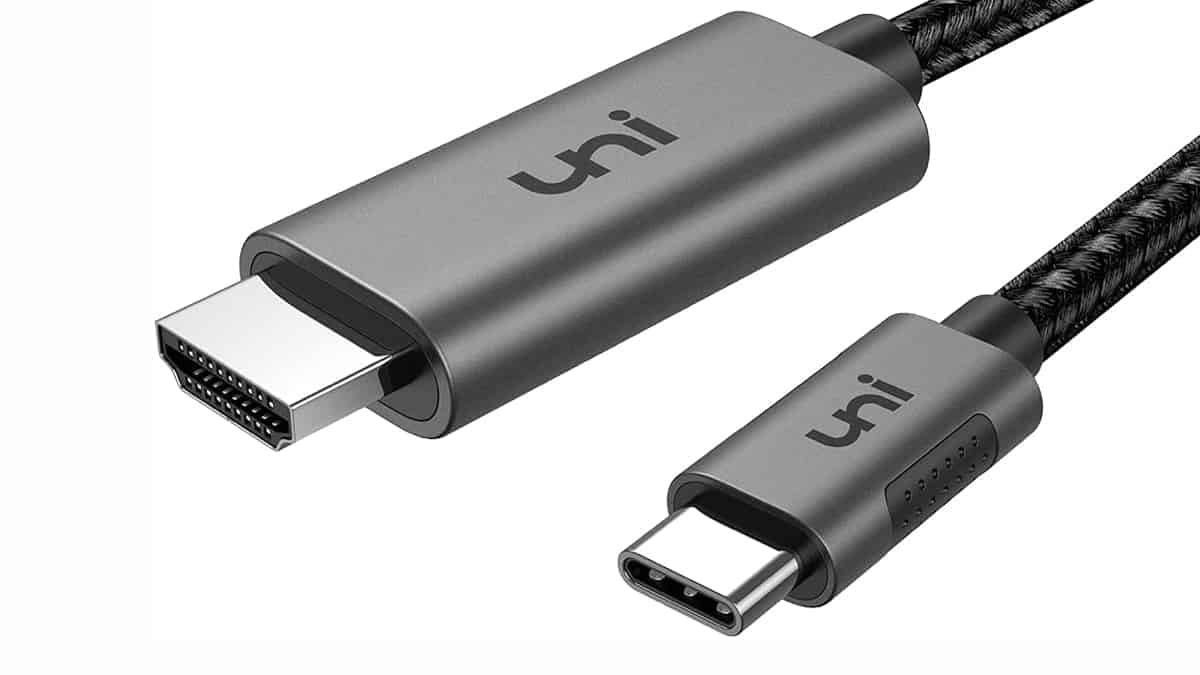
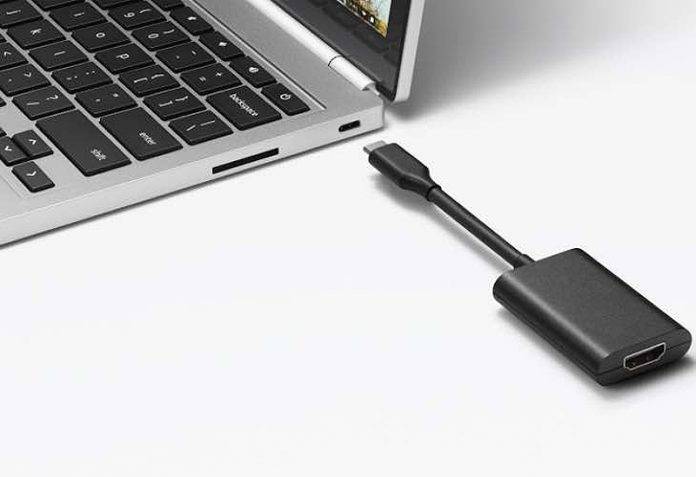
Ready to try it yourself? The main thing you'll need is a USB-C to HDMI adapter or cable. Some phones might require a specific type of USB-C port that supports "DisplayPort Alternate Mode" (often referred to as Alt Mode), so a quick check of your phone's specifications is always a good idea, though most modern Android flagships and many mid-range devices now support it. Simply plug the USB-C end into your phone and the HDMI end into your TV or monitor, switch the display's input to the correct HDMI port, and voilà! Your phone screen should magically appear. Experiment with different apps – some might even offer a dedicated "desktop mode" for an enhanced experience. It's a small investment for a significant upgrade in how you interact with your beloved Android device. Go ahead, give it a try and discover the hidden power of your phone!
P