How To Use A Generator With Extension Cords
Let's face it, the thought of a power outage doesn't exactly fill anyone with glee. But knowing you've got a generator ready to roar to life? That's a superpower! And the key to unlocking that superpower is knowing how to connect it properly, especially when using extension cords. Think of it as mastering a simple skill that brings a huge sense of security and freedom. It's surprisingly straightforward, and we're going to break it down in a way that's easy to understand.
Why is understanding this important? Well, for beginners, it's about peace of mind. Knowing you can keep the lights on and the fridge running during an emergency is invaluable. For families, especially those with young children or elderly relatives, a generator can be crucial for maintaining a comfortable and safe environment. And for hobbyists – whether you're a woodworker, a camper, or a tailgater – a generator opens up a whole world of possibilities, allowing you to power your tools and equipment wherever you are.
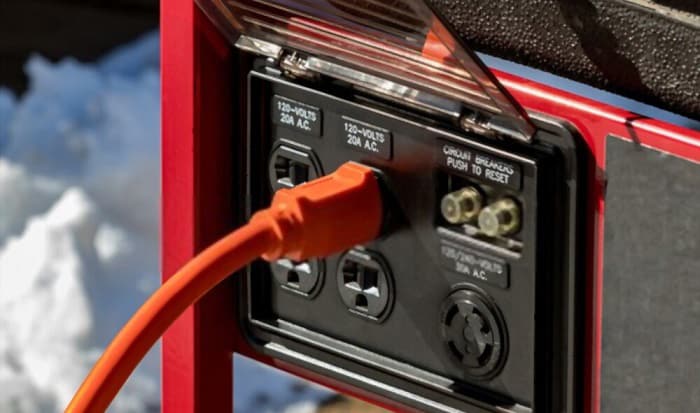
So, let's talk extension cords. The golden rule is: use the right cord for the job. That means looking at the gauge (thickness) of the wire. Thicker wires (lower gauge numbers like 12 or 10) can handle more power over longer distances without overheating. A thin, cheap extension cord meant for a lamp won't cut it for a power tool or a refrigerator. Look for cords specifically labeled for outdoor use, as they are typically more durable and weather-resistant.
Must Read
Here are a few examples to illustrate: Imagine you're using a small generator for camping. A heavy-duty 14-gauge extension cord might be perfect for running a string of lights and charging your phones. But if you're trying to power a window air conditioner or a circular saw, you'll need something beefier – likely a 12-gauge or even a 10-gauge cord. Consider the total wattage of the devices you'll be powering. Your generator has a maximum wattage output listed on it; ensure your extension cord can handle that load safely. Overloading a cord can create a fire hazard, so always err on the side of caution.
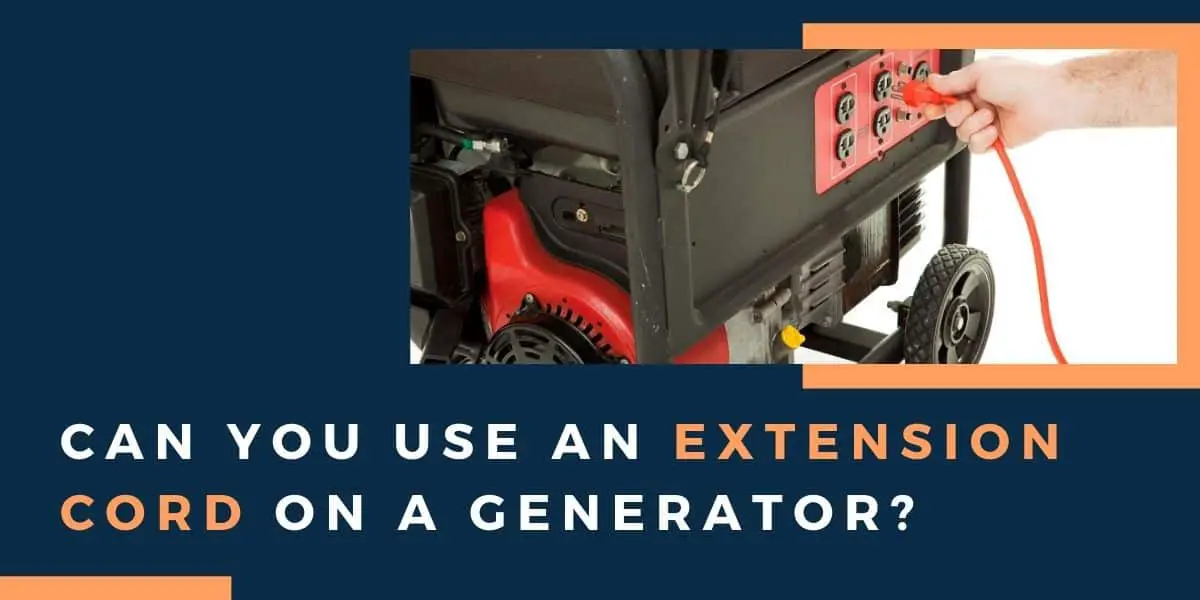
Practical Tips for Getting Started:
- Read the Manuals: Both your generator and your extension cords will have safety guidelines. Familiarize yourself with them.
- Check the Wattage: Before plugging anything in, add up the wattage of all the devices you plan to run simultaneously. Make sure it's less than your generator's rated output.
- Use Outdoor-Rated Cords: Especially if you're using the generator outside, opt for cords designed to withstand the elements.
- Inspect Your Cords: Look for any signs of damage (cuts, fraying, exposed wires) before each use. Discard damaged cords.
- Minimize Cord Length: The shorter the cord, the less voltage drop. If possible, position your generator close to the devices you need to power.
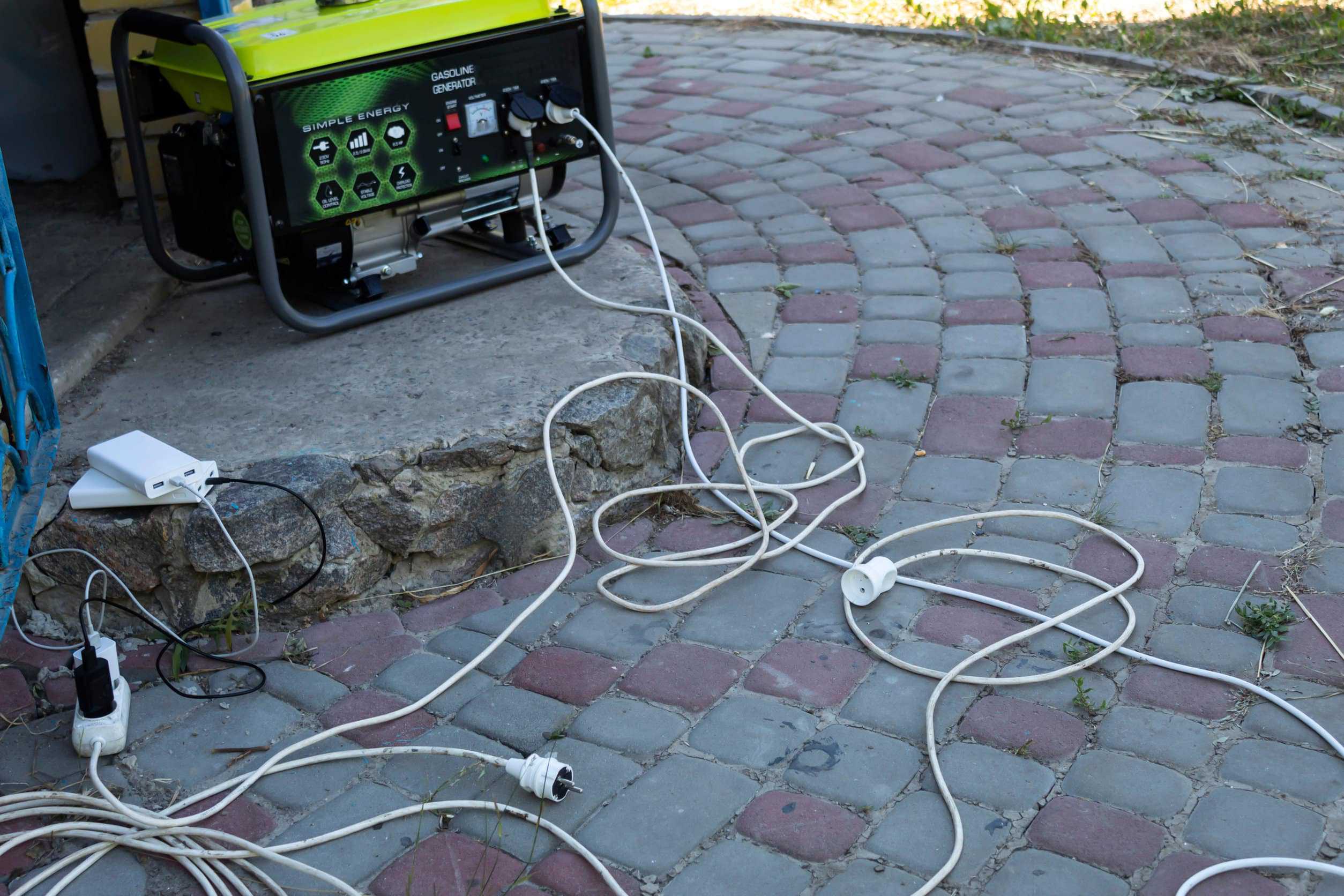
- Avoid Overloading Outlets: Don't daisy-chain extension cords together, as this can create a fire hazard.
- Keep Cords Dry: Water and electricity don't mix! Protect cords from rain and puddles.
Using a generator with extension cords doesn't have to be intimidating. By understanding the basics of wattage, cord gauge, and safety precautions, you can confidently and safely power your life when the grid goes down. There's a real satisfaction in knowing you're prepared and capable, and mastering this simple skill unlocks a level of independence and peace of mind that's truly valuable. So, go forth, power up, and enjoy the fruits of your preparedness!