How To Use A Generator During A Power Outage
Okay, so the lights went out again, huh? Don't panic! (Easier said than done when your ice cream's melting, I know.) But seriously, if you've got a generator, you're halfway to being a power outage superhero. Let's walk through how to use that thing without accidentally electrocuting yourself or blowing up your fridge. We want Netflix and chill, not sparks and chills!
First Things First: Safety Dance Time!
Safety is super important here. Like, more important than finding that last bag of chips important. So listen up!
- Read the manual. Yes, I know, manuals are boring. But trust me, your generator’s manual is your new best friend. It'll have specific instructions for your model. Don't just wing it!
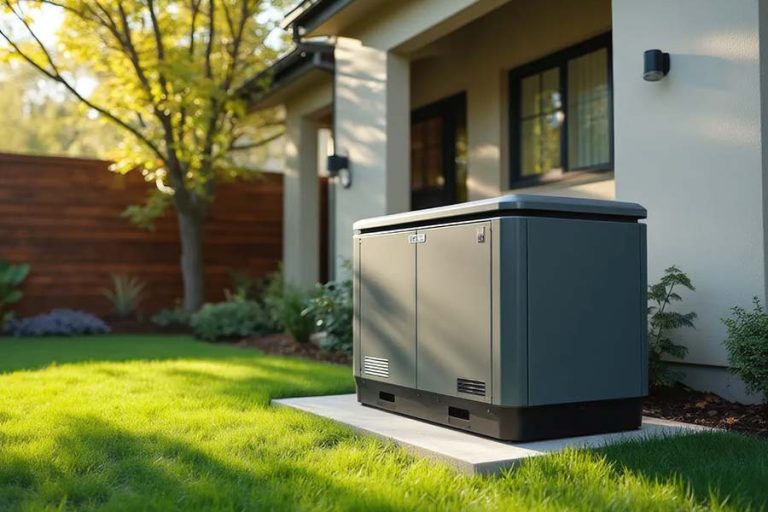
- Carbon Monoxide is NOT your friend. Generators produce carbon monoxide (CO), which is odorless, colorless, and deadly. Never, ever run your generator inside your house, garage, or even near a window or vent. Think of it as an outdoor-only party guest.
- Keep it Dry. Water and electricity don’t mix. It's like oil and vinegar, or cats and dogs. Protect your generator from rain and snow. A simple canopy or tent will do the trick.
- Wear appropriate gear. Okay, you don't need a full hazmat suit, but closed-toe shoes are a must. And if you're fiddling with fuel, wear some gloves to protect your hands.
Getting Ready to Rumble (Safely, Of Course!)
Alright, safety briefing complete. Now, let's get this bad boy running!
Must Read
- Fuel Up. Make sure you have enough fuel (gasoline or propane, depending on your generator) on hand. And store it safely in approved containers, away from the generator itself. Think of it as keeping the snacks separate from the main event.
- Check the Oil. Just like your car, your generator needs oil. Check the oil level before each use and top it off if necessary. Low oil can cause serious damage.
- Inspect the Generator. Look for any obvious damage, like frayed wires or loose connections. If you see anything suspicious, don't use it! Better safe than sorry.
The Moment of Truth: Starting the Generator
Okay, deep breaths. This isn't rocket science. Most generators have a pretty straightforward starting procedure.
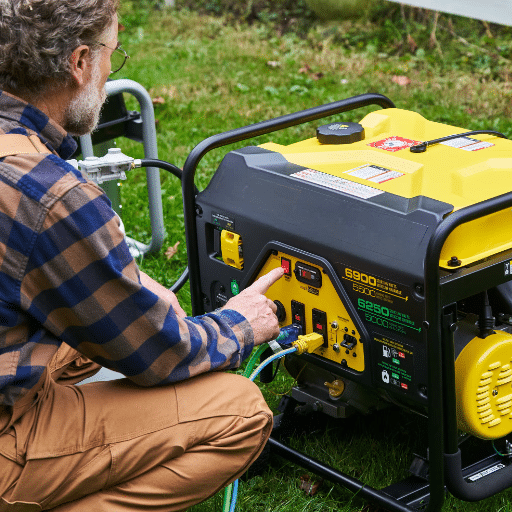
- Turn it on. Yep, sounds simple, right? Usually, there's an on/off switch.
- Choke It. If your generator has a choke, use it for starting, especially in cold weather. The choke helps enrich the fuel mixture. Once the generator is running smoothly, you can usually turn the choke off.
- Pull the Cord (or Push the Button). Some generators have a pull cord, like a lawnmower. Others have an electric start. Follow the instructions in your manual. If you're pulling a cord, give it a good, strong yank. Don't be shy!
Powering Your Stuff: The Right Way
Now that you've got power, resist the urge to plug in everything at once! This is where things can get tricky, so pay attention.
- Don't Overload It. Every generator has a maximum wattage rating. Don't exceed it, or you'll trip the breaker (or worse). Add up the wattage of everything you plan to plug in before you plug anything in. A little planning goes a long way.
- Use Heavy-Duty Extension Cords. Don't use those flimsy little extension cords you use for Christmas lights. Use heavy-duty cords that are designed to handle the load.
- Prioritize. Decide what's most important to power. The refrigerator? The lights? The TV? (Hey, I won't judge.) Focus on those essentials first.
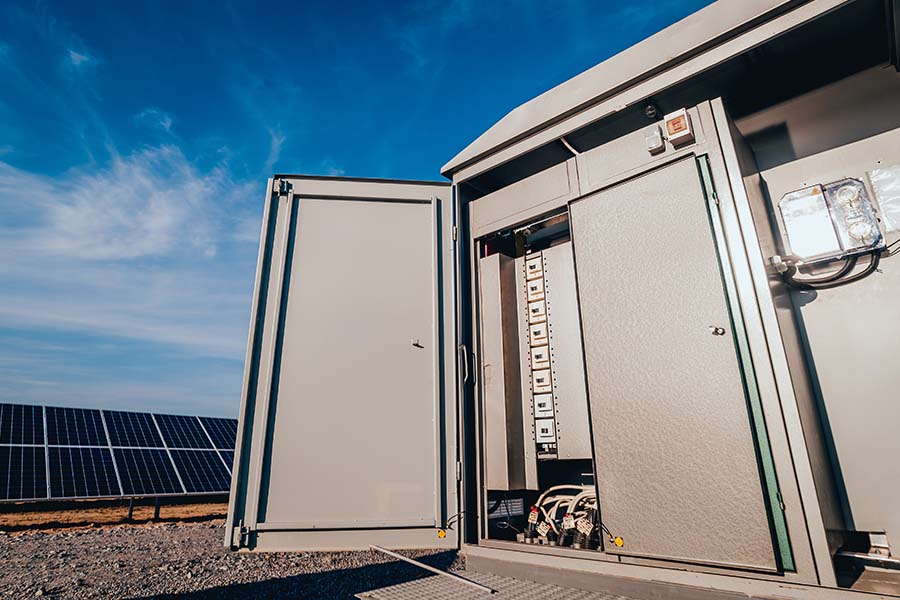
- Consider a Transfer Switch. For a more permanent (and safer) solution, consider installing a transfer switch. This allows you to connect your generator directly to your home's electrical system. But this needs to be installed by a qualified electrician – don’t DIY this one!
Shutting Down Safely
Okay, power's back on! Hooray! Time to shut down the generator.
- Turn off the breakers. Before shutting down the generator, turn off all the breakers. This prevents a surge when the power comes back on.
- Let it Cool Down. Give the generator a few minutes to cool down before refueling. Gasoline + hot engine = bad idea.
- Store it Properly. Drain the fuel tank if you're not going to use the generator for a while. Store it in a dry, well-ventilated place.
See? You did it! You're a power outage pro. Now go enjoy that (hopefully not-too-melted) ice cream and bask in the glow of your own self-sufficiency. Remember to practice using your generator every few months, just to keep it (and yourself!) in tip-top shape. You've got this!