How To Unthaw Frozen Sewer Pipes
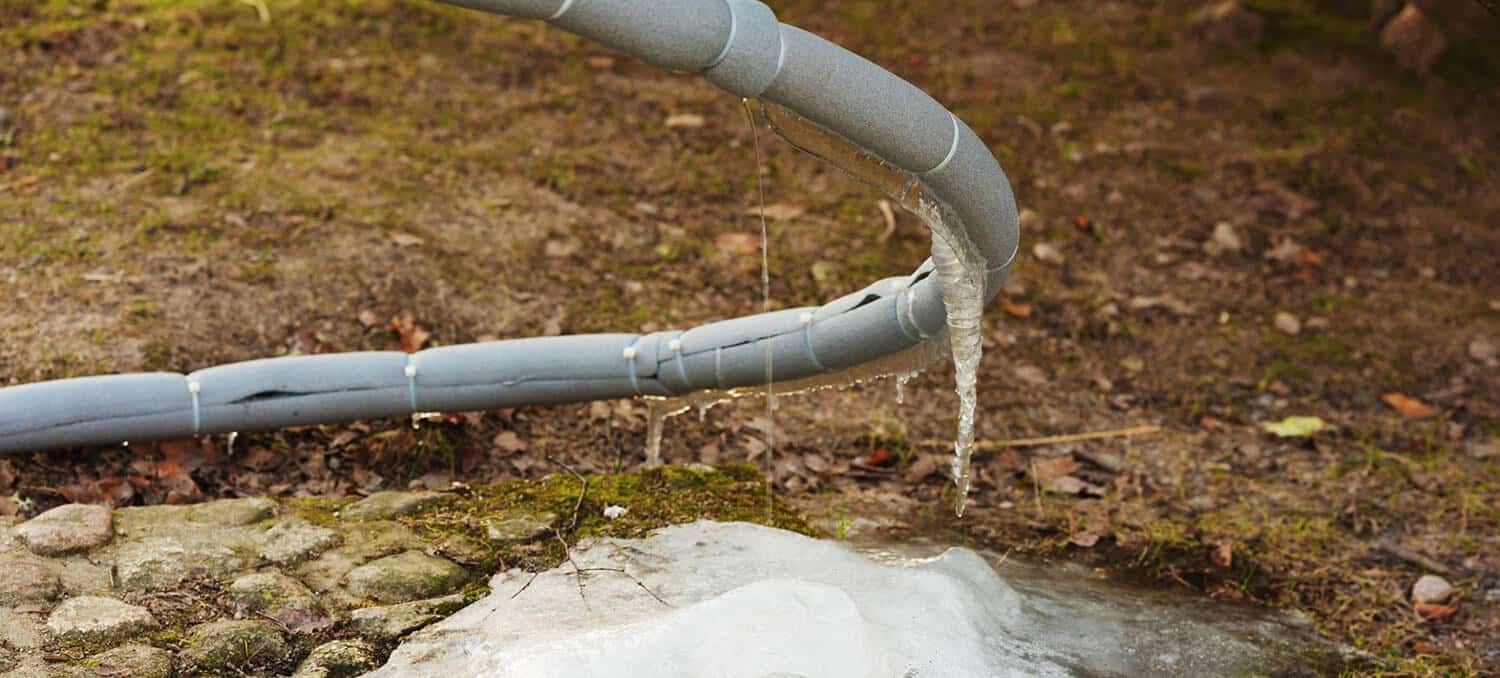
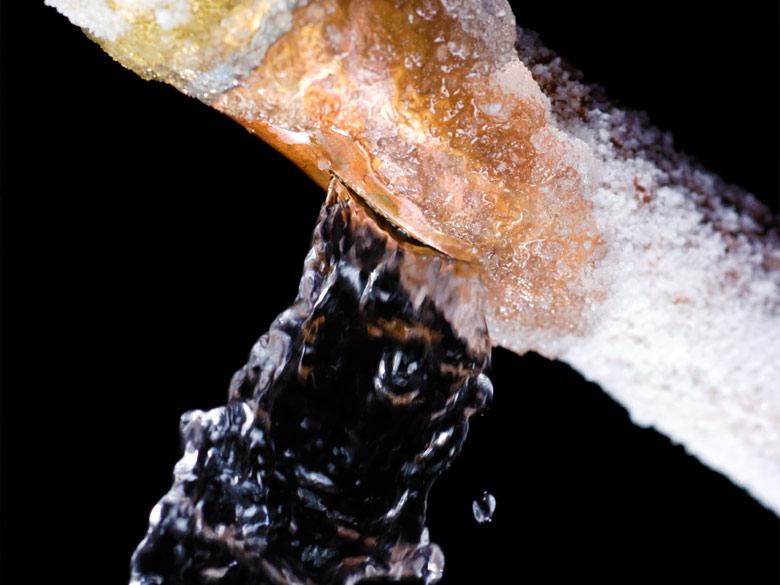
Winter in many parts of the world brings with it a certain cozy charm – crisp air, perhaps a dusting of snow, and the comforting warmth of a home. But sometimes, that cozy charm can be… well, interrupted. Imagine waking up, going about your morning routine, and suddenly realizing that something isn't quite right. The toilet won't flush, or the shower drain is backed up. Welcome to the surprisingly common (and curiously interesting) world of frozen sewer pipes!
Now, before you cringe, let's look at this not as a disaster, but as a fascinating challenge. Learning how to unthaw these stubborn subterranean arteries is a bit like becoming a home detective, a resourceful engineer, and a winter wizard all rolled into one. It’s relevant because when cold snaps hit, pipes can freeze, leading to clogs or, worse, burst pipes and expensive water damage. Understanding the basics can save you a bundle, prevent a messy situation, and give you that satisfying feeling of having tackled a tricky problem head-on. Plus, who doesn't love a good "I fixed it myself!" story?
The primary purpose of unthawing a frozen sewer pipe is straightforward: to restore proper drainage and prevent significant damage to your home's plumbing system. The benefits are immense. First and foremost, you avoid the potentially catastrophic cost of a burst pipe, which can release gallons of water, ruin flooring, walls, and furniture, and require extensive repairs. Secondly, it ensures your home remains functional and hygienic, allowing you to use your sinks, toilets, and showers without worry. It’s about maintaining the comfort and integrity of your living space and preserving your peace of mind. Thinking proactively about this can turn a potential crisis into a manageable inconvenience.
Must Read
Beyond the immediate fix, the knowledge gained from tackling a frozen pipe problem has broader applications. In an educational context, it's a fantastic real-world example of basic physics – heat transfer, expansion, and contraction – and hydraulics. For daily life, it hones valuable skills like problem-solving (locating the freeze, choosing the best method), resourcefulness (using common household items), and understanding your home's infrastructure. It’s a practical lesson in emergency preparedness and preventative maintenance, teaching you to identify vulnerable spots and take steps to protect them before the cold truly sets in. It helps you become a more self-reliant homeowner, capable of diagnosing and addressing minor issues without always needing to call a professional.
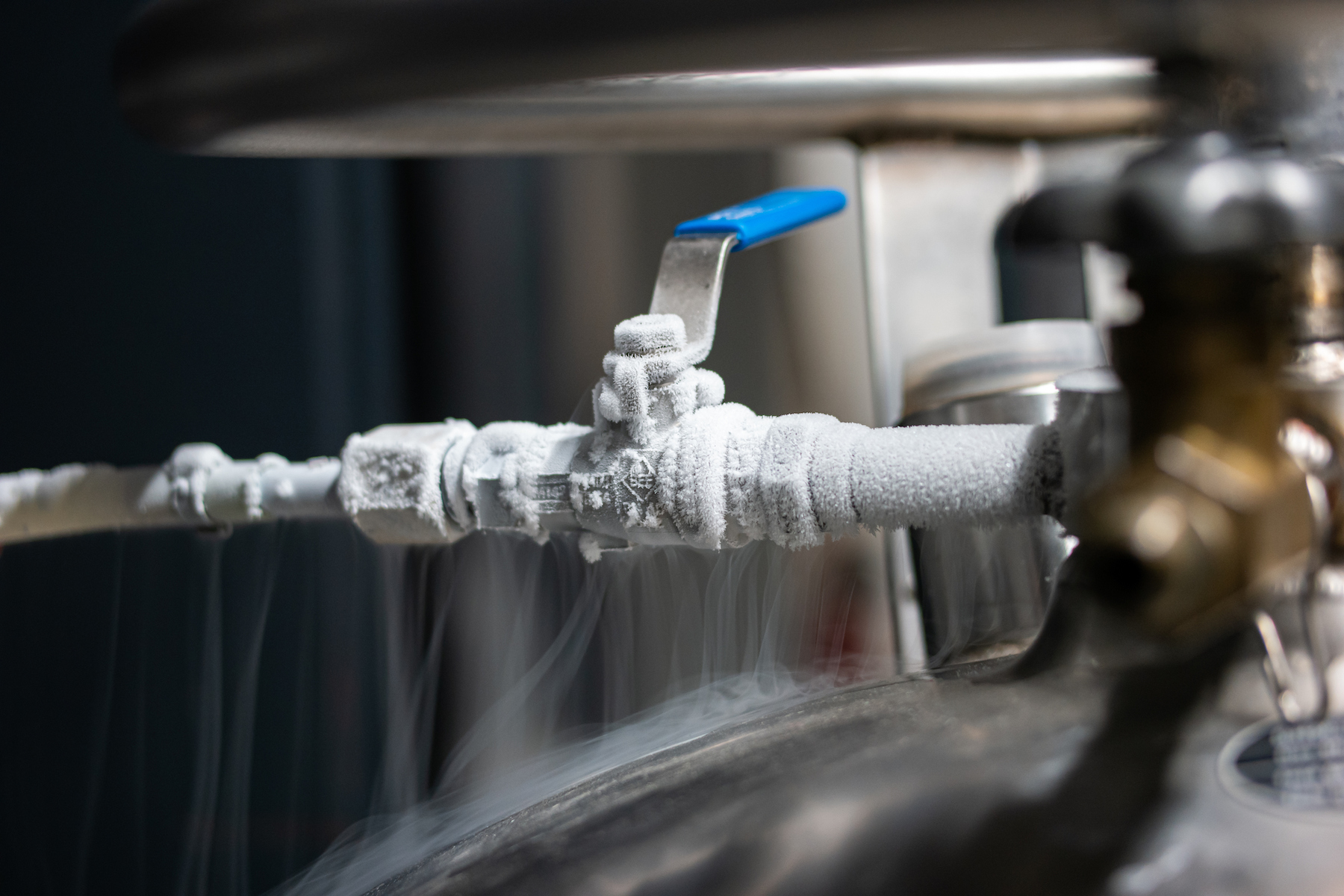
Ready to explore this cool (pun intended!) concept further? Start with prevention: insulate exposed pipes, seal air leaks, and consider letting a faucet drip slightly during extreme cold to keep water moving. If a freeze does occur, begin with gentle, safe methods. For accessible pipes, a hairdryer, a heat gun (on its lowest setting and kept moving), or towels soaked in hot water wrapped around the pipe can work wonders. Be patient and cautious; slow and steady wins the race when it comes to thawing. Never use an open flame! If the freeze is deep, inaccessible, or if you suspect a major blockage or damage, that's when you call in the plumbing cavalry. Exploring this isn't just about fixing a specific problem; it's about understanding the mechanics of your home and empowering yourself with practical knowledge.