
How To Unclog A Drainage Pipe
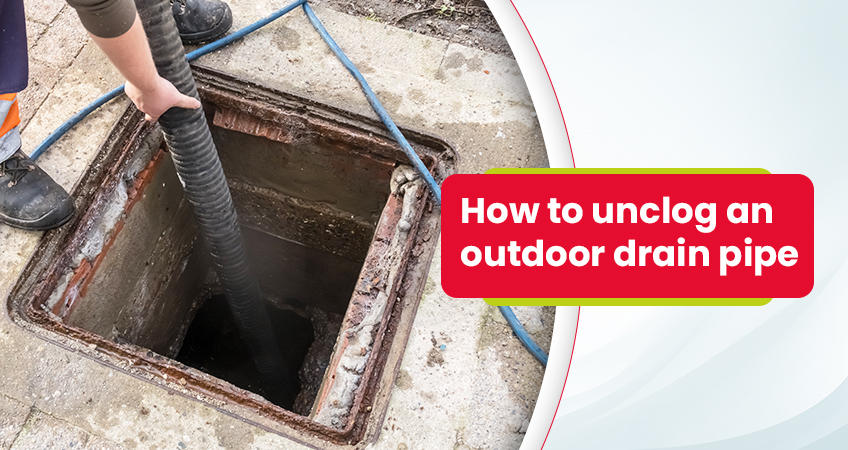
Alright, gather 'round, folks, because I've got a story for you. Picture this: it's a perfectly ordinary Tuesday evening. I'm feeling rather pleased with myself, whipping up a gourmet (read: slightly burnt) meal, and the kitchen is humming along. All seems right with the world. Then, I go to rinse a pan, turn on the tap, and… nothing. Or rather, too much. The water starts to rise, slowly but menacingly, in the sink. My stomach drops faster than a lead weight in a well. That tell-tale gurgle, the one that says, "Oh, you thought you were having a nice evening, did you?" And just like that, my culinary masterpiece was overshadowed by a looming plumbing catastrophe.
Sound familiar? You're not alone. We've all been there, standing helpless as our precious water recedes at a snail's pace, or worse, doesn't recede at all. It's enough to make you consider a career change to professional puddle-jumper. But before you panic and reach for the phone to dial that expensive plumber (who, let's be honest, will probably tell you it was just a hairball), let's talk about how to become your own drainage pipe superhero. Because, trust me, unclogging a drain often isn't as intimidating as it looks. You just need a little know-how and maybe a dash of courage.
Why Do Our Drains Betray Us?
Before we dive into the rescue mission, let's quickly understand the enemy. Drains clog because of a delightful cocktail of things: hair (especially in the shower, shudder), grease and food particles (hello, kitchen sink!), soap scum, and sometimes even tiny bits of your hopes and dreams. Over time, these lovely ingredients bind together, forming a formidable barrier that just says, "Nope, not today, water."
Must Read
The First Line of Defense: The Plunger & Hot Water
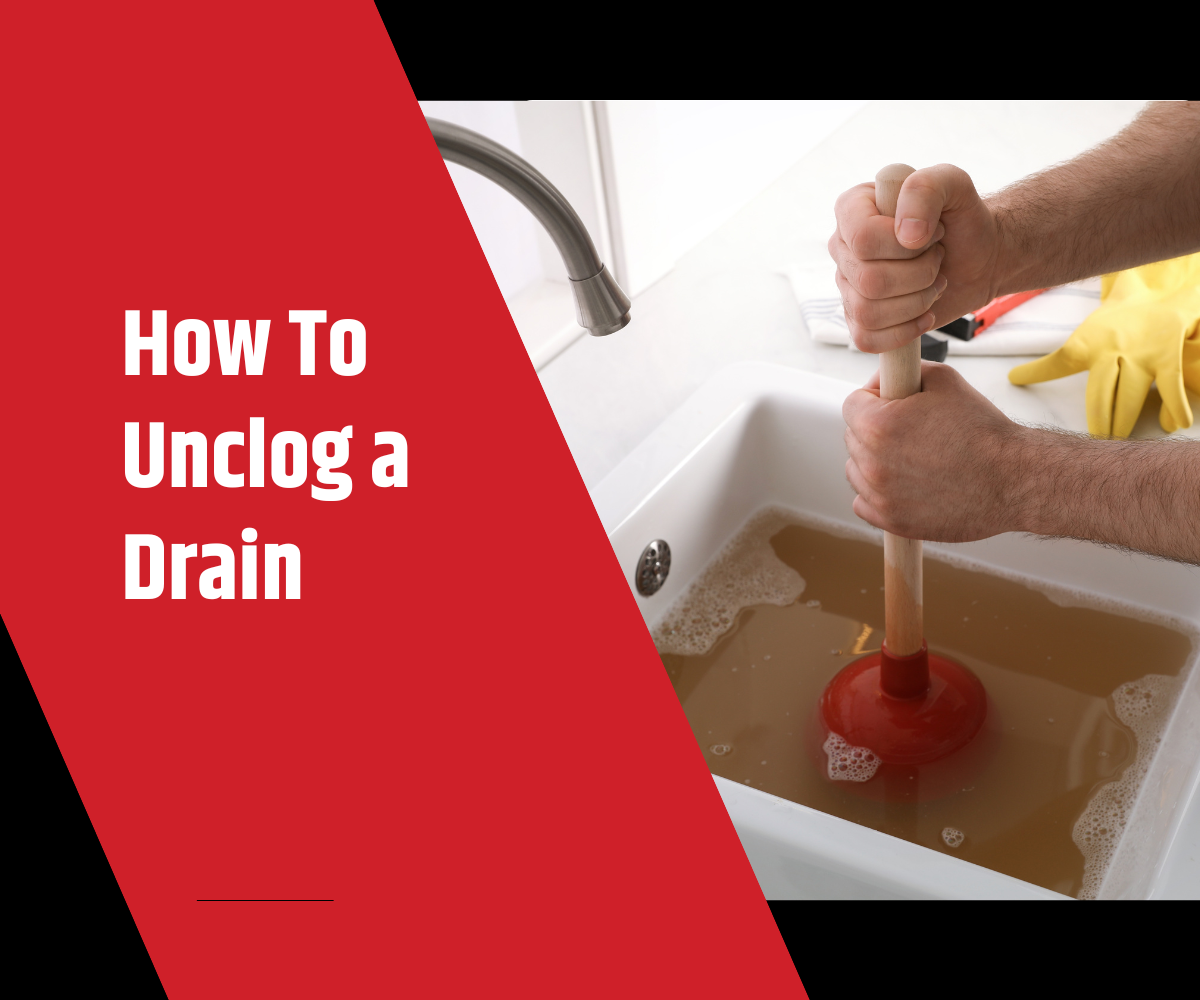
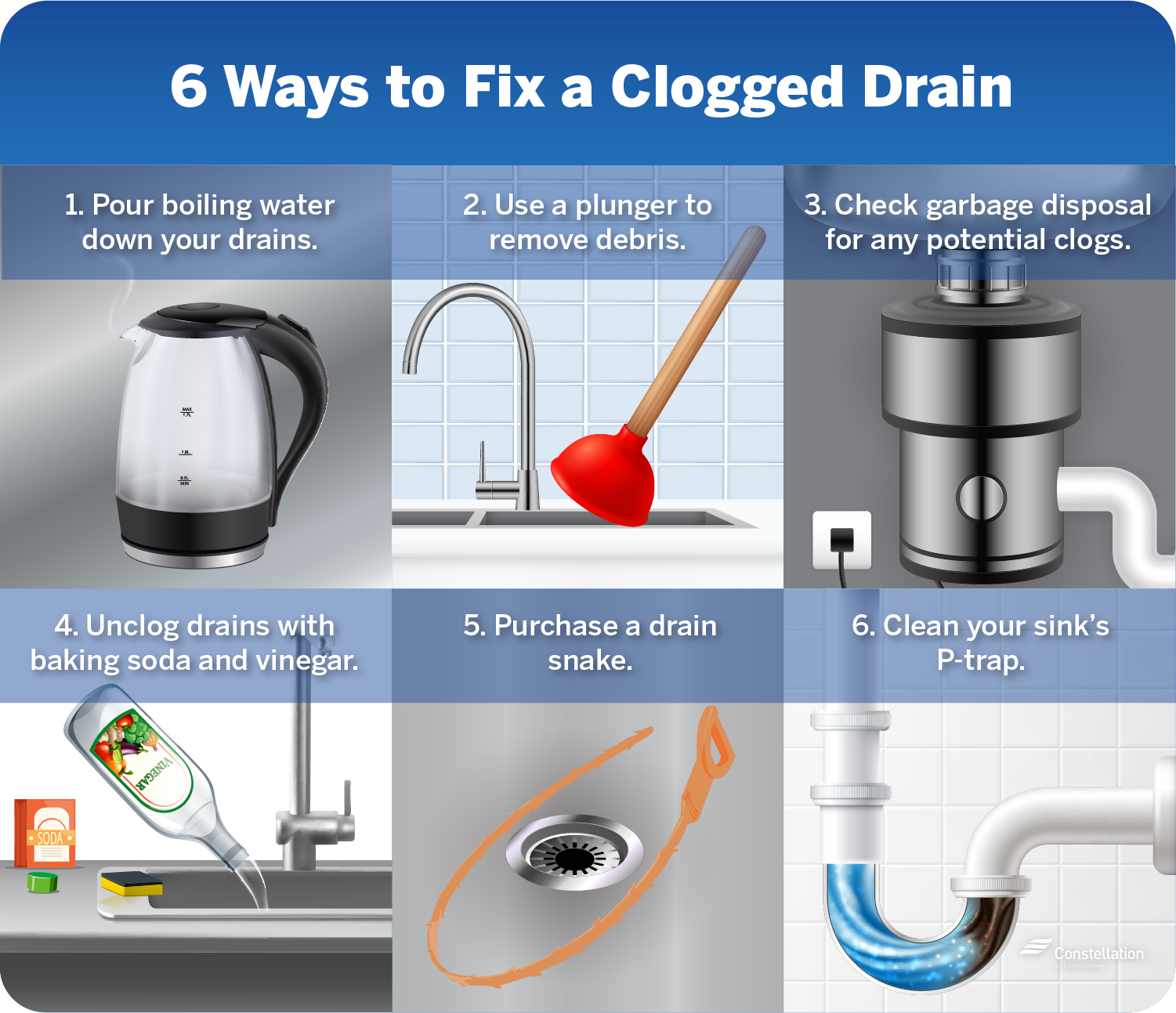
Okay, let's start with the basics. Don't underestimate the power of the simple plunger. This isn't just for cartoon characters; it's a legitimate tool. For a sink, make sure there's enough water to cover the plunger's cup. Create a good seal, and give it about 10-15 vigorous plunges. You might be surprised! For bathroom sinks, remember to block the overflow drain with a wet cloth for maximum suction. And for kitchen sinks, if you have a double sink, you'll need to plug the other drain opening too.
Another easy trick for minor clogs, especially if you suspect grease buildup, is a good old fashioned blast of boiling water. Boil a kettle or a pot of water and carefully pour it down the drain in stages, waiting a few minutes between pours. It can help dissolve greasy clogs. Just be cautious if you have PVC pipes; extremely hot water can sometimes soften them, though typically tap-hot water from a boiler is fine.
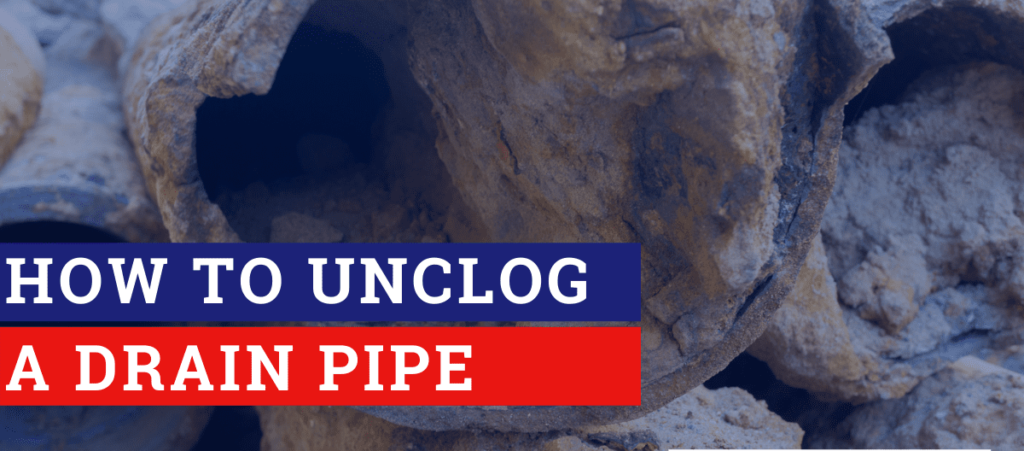
DIY Drainage Diplomacy: The Baking Soda & Vinegar Volcano
If the plunger didn't quite cut it, it's time for a little science experiment. This method is fantastic because it's non-toxic and surprisingly effective for many common clogs. You'll need:
- About ½ cup of baking soda
- About ½ cup of white vinegar
- Some hot water (not necessarily boiling)
First, pour the baking soda down the drain. Then, slowly follow with the vinegar. You'll hear and see it fizzing – that's the chemical reaction doing its thing, breaking down the gunk. Cover the drain with a plug if you can to maximize the pressure. Let it sit for about 30 minutes to an hour (or even overnight for stubborn clogs). Finally, flush it all down with a good amount of hot water. Voila! Sometimes this simple trick is all it takes.
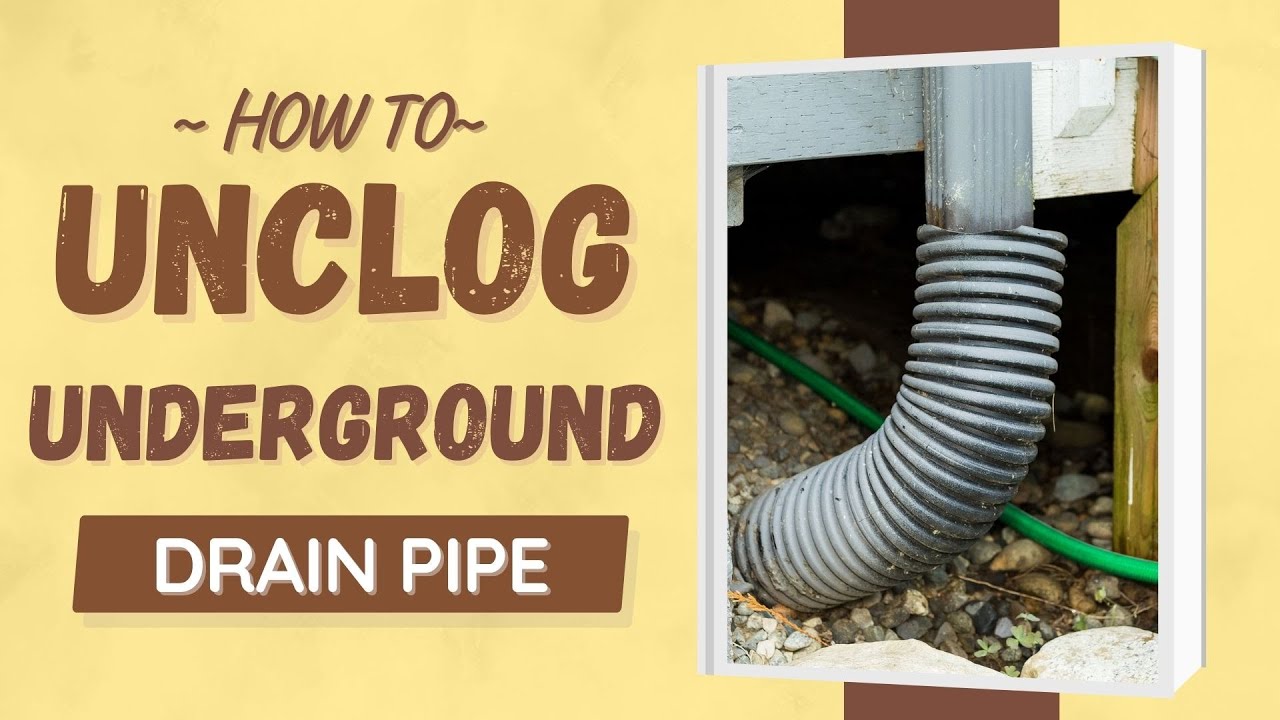
Bringing Out the Big Guns: The Drain Snake (or Auger)
Alright, if the volcano didn't erupt your clog away, it's time to get a little more mechanical. Enter the drain snake (also known as a hand auger). You can grab one of these at any hardware store for not too much cash, and honestly, it’s a game-changer. It's essentially a long, flexible coil of wire with a small auger or hook at the end.
To use it:
- Remove the drain cover (and possibly the stopper mechanism in a bathroom sink).
- Slowly feed the snake down the drain. You'll feel resistance when you hit the clog.
- Once you hit resistance, twist the handle to allow the auger to grab onto or break up the blockage. Don't force it!
- Gently pull the snake back out. You might pull up some truly disgusting stuff – hair, soap scum, who knows what else. Prepare yourself.
- Repeat until the drain flows freely.
Pro tip: Always have a bucket and some old towels handy, because things can get a bit… wet and murky. And wear gloves! Trust me on this one. You'll feel like a true plumbing warrior once you've wrestled a hair monster out of your pipes.
The P-Trap Adventure: When Clogs Are Closer Than You Think
Sometimes, the clog is lurking in the U-shaped pipe directly beneath your sink – the P-trap. This is a bit more involved, but still totally doable for the average DIYer. You'll need a bucket (to catch water), a wrench (possibly), and gloves (definitely).
- Place the bucket directly under the P-trap.
- Use your wrench (or just strong hands, depending on the pipe material) to loosen the slip nuts on either side of the P-trap.
- Carefully remove the P-trap. Be ready for some water and whatever lovely treasures have accumulated inside.
- Clean out the trap thoroughly. A wire brush or even an old toothbrush can help here.
- Reassemble, making sure the slip nuts are tight enough to prevent leaks, but don't overtighten.
This method is often the golden ticket for clogs that resist snaking from above, as it lets you attack the problem directly. Just be methodical, and double-check for leaks once you're done.
When to Call in the Cavalry
While most clogs are totally within your DIY power, there are times when it’s smarter to call a professional. If you've tried everything and the drain is still stubbornly blocked, if multiple drains in your home are backed up, or if you suspect a main sewer line issue, don't hesitate to call a plumber. They have specialized equipment and expertise for those truly beastly clogs. Also, avoid those harsh chemical drain cleaners if you can – they can be bad for your pipes and the environment.
Preventative Maintenance: A Happier Pipe, A Happier You
Once your drains are flowing freely, let's keep them that way! Invest in drain screens for all your sinks and showers to catch hair and food bits. Be mindful of what goes down the drain – no coffee grounds, no grease, and definitely no expanding dinosaur toys (speaking from experience, ahem). Periodically flush your drains with hot water or do a monthly baking soda and vinegar treatment as a preventative measure. Trust me, a little prevention goes a long way in avoiding future Tuesday evening plumbing nightmares.
So, there you have it. The next time you face a sluggish drain, remember you're not helpless. With a little grit, some basic tools, and these tips, you can absolutely conquer that clog and reclaim your plumbing peace. You got this, plumbing warrior!