
How To Turn On Heat In A Car

Okay, so you’ve just hopped into your car, maybe it’s a frosty morning, or perhaps you’re just someone who
First things first, let’s find the mothership of your car’s climate control. Most cars, bless their hearts, keep these knobs and buttons pretty centrally located. We’re talking dashboard real estate, usually somewhere near your radio or infotainment screen. Can you spot it? Good!
The Temperature Tango: Red vs. Blue
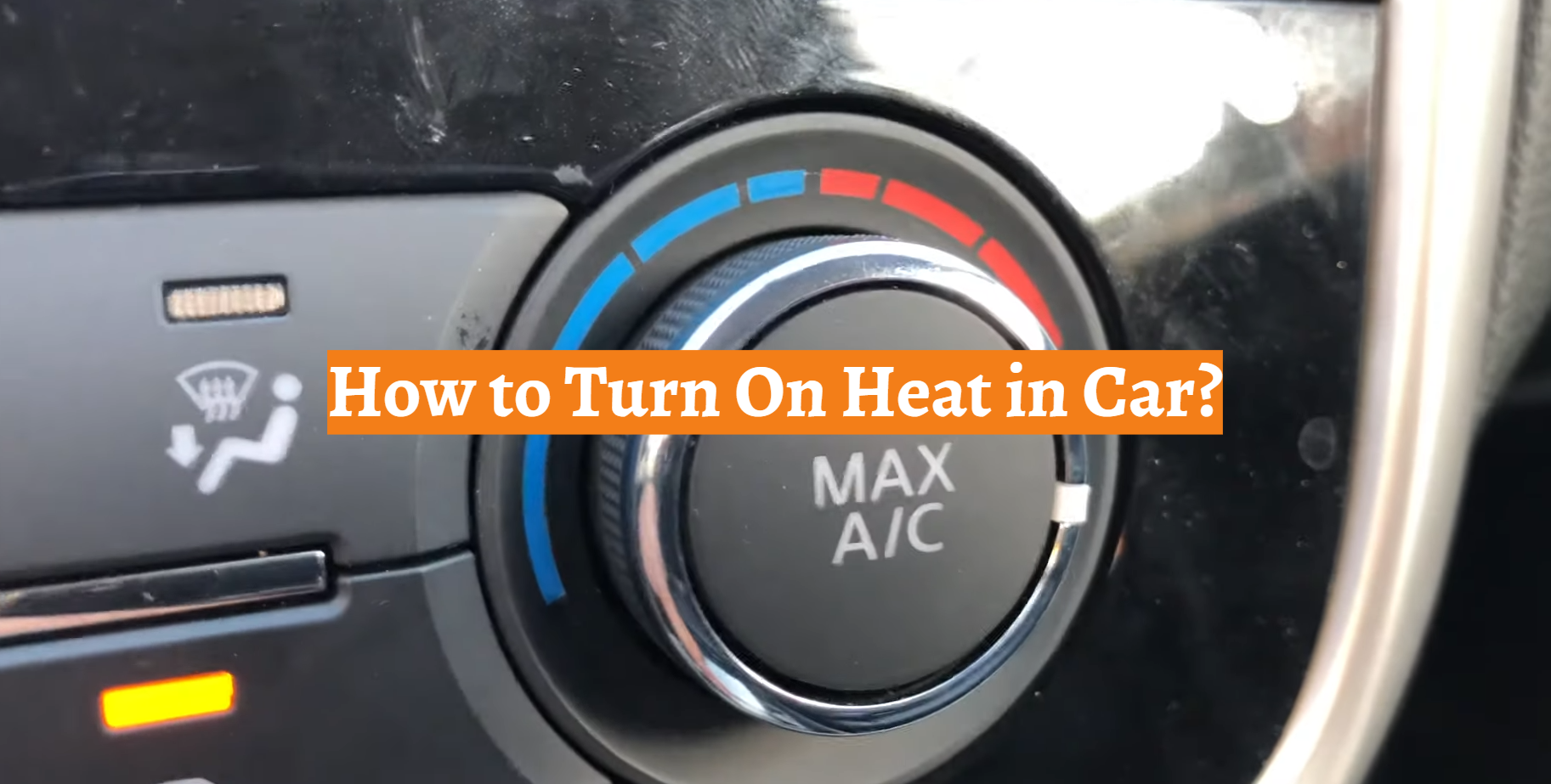
Alright, look for a dial or a set of buttons that typically has a visual cue: a little
Must Read
If it’s buttons, you’ll likely see "Temp +" or an arrow pointing up, usually accompanied by that friendly red indicator. Just keep pressing until you’re feeling optimistic about summer making a comeback. Easy peasy, lemon squeezy, right?
Fan Speed Finesse: From Whisper to Gale
Now, just having hot air available isn't enough; you need to

But if you're in a hurry to thaw out your earlobes, don't hesitate to crank it up to "Max" or "4" or whatever the highest setting is. You'll sound like a jet engine taking off, sure, but your fingers will thank you. Plus, a little dramatic whirring just adds to the
The AC Button: Friend or Foe?
Here’s where it gets a little tricky, and it’s a common source of "wait, what?" moments. You might see an "
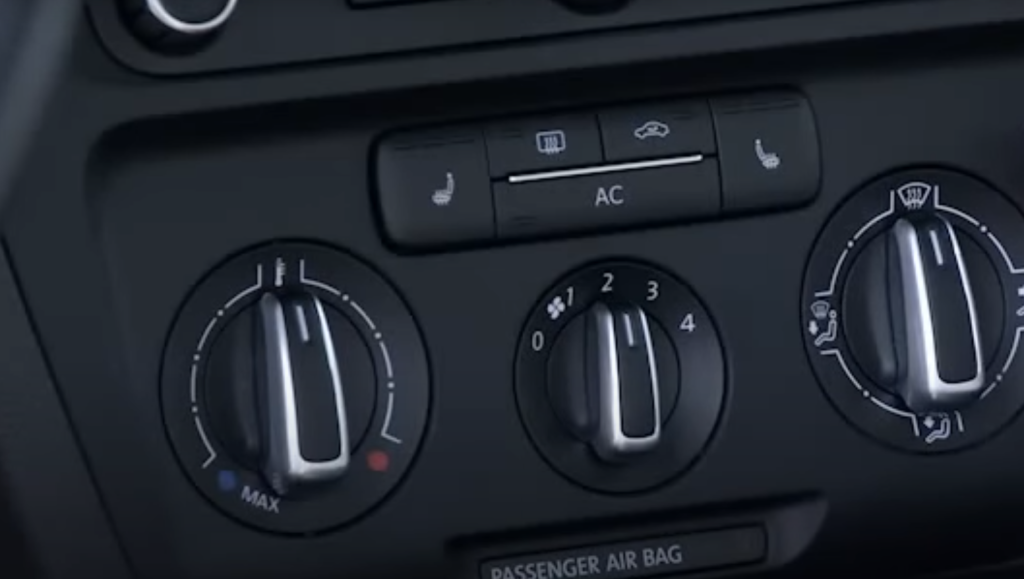
Why? Because air conditioning also
Ventilation Vexation: Where Do You Want It?
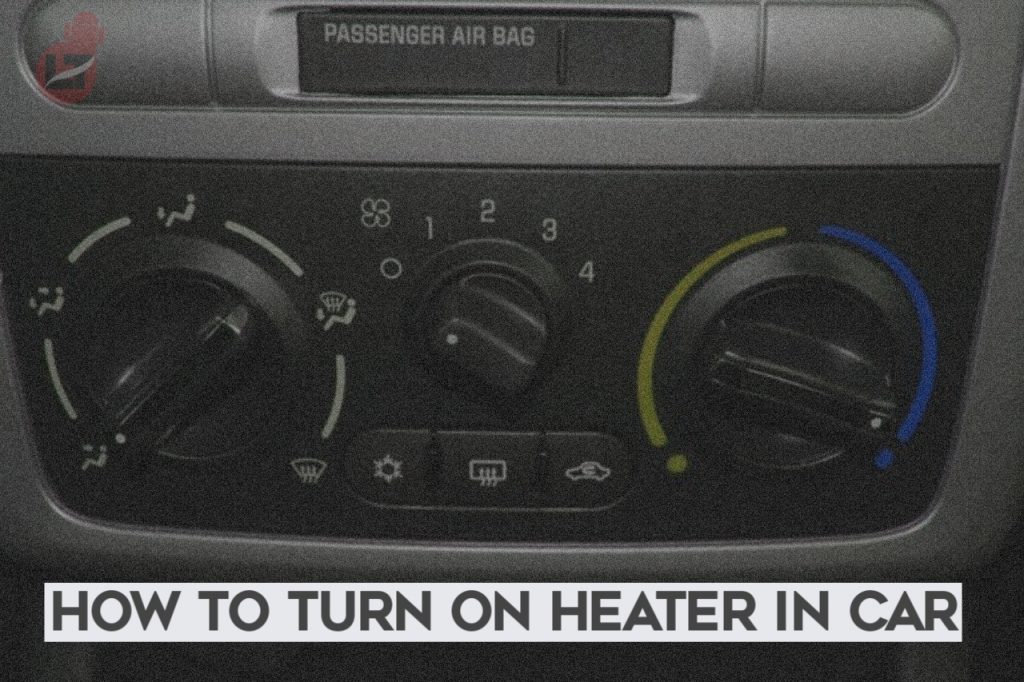
Where do you want all this lovely heat to go? Your feet? Your face? Your windshield? You’ll find another dial or set of buttons, often with little icons depicting different airflow directions. Common options include:
Feet: For those chilly toes that feel like they might snap off.Face/Upper Body: To warm your core and get that cozy feeling.Windshield (Defrost): Crucial for visibility, especially on frosty mornings. This one often engages the AC automatically, as we discussed.Bi-level (Feet and Face): A nice compromise.
I usually start with my feet, because cold feet are a special kind of misery, aren’t they? Then I'll switch to a mix of feet and face once things are warming up.
Recirculate or Fresh Air? The Great Debate
There's usually a button with a little car icon and an arrow either looping
Recirculate: This setting takes the air already inside your car and reheats it. It’s great for getting the cabin warmfaster , because you’re not constantly trying to heat up new, freezing cold air from outside. Use this when you first start driving!Fresh Air: This brings in outside air. It’s important to switch to this occasionally to prevent stuffiness and to keep your windows from fogging up too much (especially when you've got a car full of people breathing!).
A good strategy is to start with recirculation for a few minutes to blast that initial heat, then switch to fresh air once the car is toasty to keep things, well, fresh! And prevent that weird "inside car smell." You know the one.
A Little Patience, Grasshopper
Here’s the most important, albeit sometimes annoying, tip: your car needs to
Don’t despair if you don’t feel instant warmth. Drive for 5-10 minutes, and you'll usually start feeling that sweet, sweet heat. If you've driven a good while and it's still blowing cold, then maybe it's time for a quick chat with your mechanic – but let's hope it doesn't come to that, huh?
So there you have it! Turning on your car's heat isn't a dark art; it's just a few simple twists and presses. Go forth and be warm, my friend. May your drives always be cozy and your fingers always defrosted!