How To Turn On Furnace In Rv
Ah, the open road! The freedom of waking up to a new view every day, the crisp mountain air, the sound of waves just outside your window… RV life is truly something special. But let's be honest, even the most adventurous spirits appreciate a bit of creature comfort, especially when the mercury drops. That’s where your trusty RV furnace comes in, transforming your mobile abode from a chilly metal box into a warm, inviting sanctuary. It's the unsung hero that lets you extend your camping season well beyond summer, chase those glorious fall colors, or even brave a crisp winter wonderland without turning into a human icicle.
The beauty of a functioning RV furnace isn’t just about survival; it’s about enhancing your experience. Imagine curling up with a hot mug of cocoa after a day of hiking, listening to the gentle hum of the furnace keeping you perfectly toasty. It's the difference between shivering under three blankets and enjoying a restful night's sleep, ready for another day of exploration. From those unexpectedly cool desert nights to high-altitude getaways where temperatures plummet after sunset, or even just taking the chill off a damp spring morning, your furnace ensures your adventures are always comfortable, no matter the forecast. It’s about making your RV a true home-away-from-home, offering that much-needed warmth and a sense of coziness that elevates every trip.
So, how do you coax that delightful warmth into existence? Fear not, it's usually a straightforward process, but a few key steps will ensure a smooth, toasty transition. Here are some practical tips to get your RV furnace purring like a happy cat:
Must Read
First and foremost, check your propane! Your furnace runs on propane, ignited by a 12-volt electrical charge. Locate your propane tank(s) outside your RV and ensure the valve (usually a large, round knob) is turned fully counter-clockwise to the "open" position. Many a chilly night has been spent scratching heads, only to find the propane was simply off!
Next, confirm you have sufficient 12-volt battery power. While your furnace uses propane for heat, it needs 12V power to run its fan and ignition system. If your RV batteries are low or dead, your furnace won't fire up. Plug into shore power or ensure your house batteries are charged.

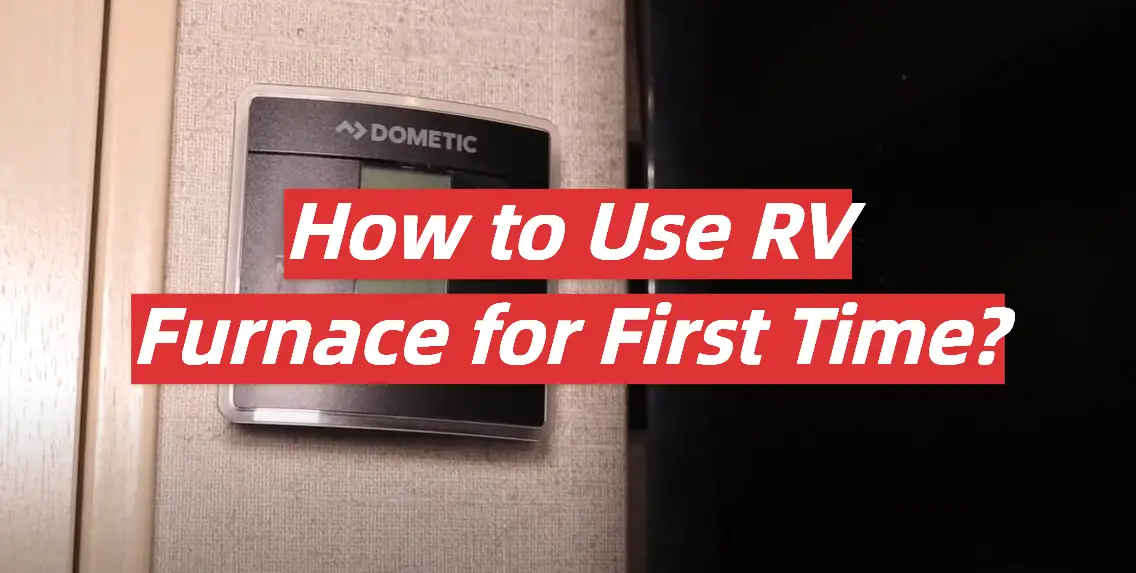
Now, for the main event: the thermostat tango. Find your RV’s thermostat, usually mounted on an interior wall. It might look different from your home’s, but the principle is the same. Set it to "Heat" mode and then crank the desired temperature up significantly higher than the current ambient temperature. Don't be shy; aim high to give it a clear signal to start!
Here’s where patience is a virtue. Once you set the thermostat, you'll usually hear the furnace fan kick on first. It will often run for a short period to purge any air from the propane lines before attempting to ignite. You might hear a clicking sound as the igniter tries to light the propane. If it doesn't light on the first try, it will often cycle a few more times before giving up and locking out. If it locks out, try turning the thermostat off for a minute, then back on, and try again. A fresh propane tank or recently opened valve might require a few cycles to get the air out of the lines.

Finally, a quick visual check: ensure all your furnace vents inside your RV are clear and unobstructed. Blocked vents can lead to inefficient heating and can sometimes even cause safety issues. Also, remember to keep an eye on your propane tank levels and your battery charge, especially on longer cold-weather trips. A little preventative maintenance, like an annual furnace check-up by a professional, can also save you from unexpected chills.
With these simple steps, you'll be basking in warm comfort in no time, ready to enjoy all the beauty and adventure RV life has to offer, regardless of the thermometer. Happy travels, and stay toasty!