How To Turn Off Sump Pump Alarm
Alright, so you’re minding your own business, maybe enjoying a nice cup of coffee or finally winning that video game level, when suddenly—BEEEP! BEEEP! BEEEP! It’s that siren of impending doom, the sound that makes your heart do a little panic-jig: your sump pump alarm.
Don't sweat it, my friend! We've all been there. It’s like your house is yelling at you, and you just want to politely (or not-so-politely) ask it to chill out. But before you resort to unplugging everything and moving to a treehouse, let’s get this sorted. Turning off that shrieker is usually a piece of cake, and figuring out why it’s screaming is half the fun (okay, maybe 10% fun, 90% necessary adulting).
First Things First: Silence the Beast!
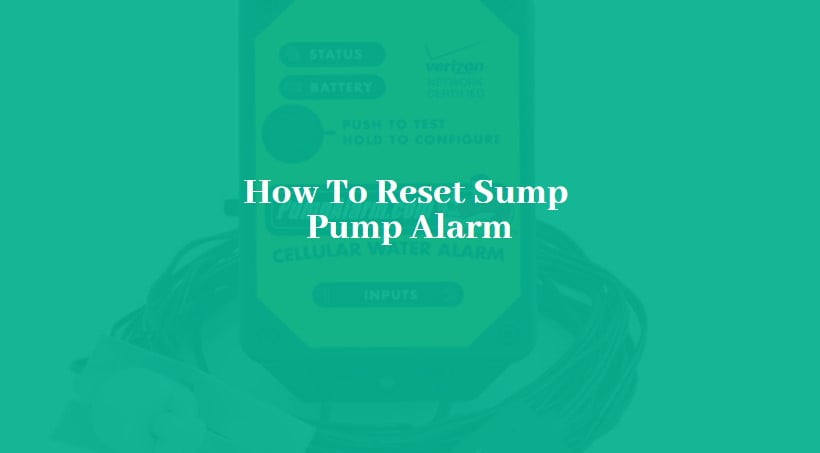
Your primary mission, should you choose to accept it (and you totally should), is to make that noise stop. Find your sump pump alarm unit. It’s often a small box mounted near your sump pit, sometimes right on the lid. It’s usually a bit chunky, perhaps with some wires snaking out.
Must Read
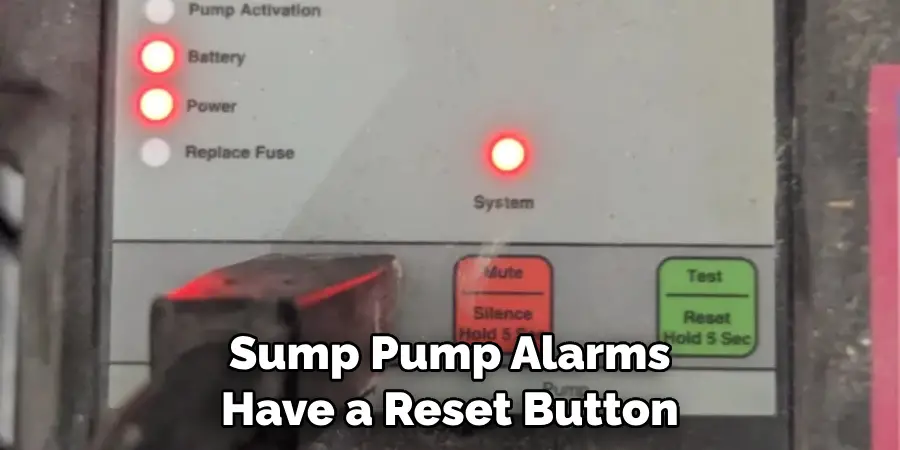
Look for a button labeled "Silence," "Mute," or "Reset." Don't be shy, give it a firm press! Most alarms have one of these magical buttons designed specifically for this very moment. If you're lucky, the ear-splitting shriek will transform into a gentle, non-threatening hum, or even better, blissful silence. Ahh, peace at last!
If your alarm is for a battery backup sump pump, it might have a dedicated "Off" switch or even require you to unplug the unit from its power source. Sometimes, the alarm is actually coming from the battery unit itself, letting you know it's time for a juice-up or replacement. Don't worry, we’ll get to that.
Now, Let's Play Detective: Why the Racket?
So, the noise is off. Crisis averted (for now). But like a good mystery novel, we need to know what caused the alarm. Most sump pump alarms are pretty straightforward. Here are the usual suspects:
1. High Water Level (The Most Common Culprit)
This is the big one. Your alarm is basically shouting, "Hey, there's too much water in the pit, and my primary pump isn't handling it!"
- Is your main pump running? Lean in close (but not too close, it's not a petting zoo). Can you hear it whirring? See if the water level is going down.
- Is the float switch stuck? This little guy is like the pump's "on" button. If it's caught on something – a rogue pebble, a piece of debris, or just tangled – the pump won't kick in. Gently reach in (if it's safe to do so and not too deep) and give the float a little wiggle. Make sure it can move freely up and down.
- Power outage? If your main pump relies on household power and the lights are flickering (or out completely), then your battery backup (if you have one) is probably sounding the alarm because it's now the superhero on duty.
2. Battery Backup Alarm (The Power-Hungry Pal)
If you have a battery backup system, its alarm is usually telling you one of two things:
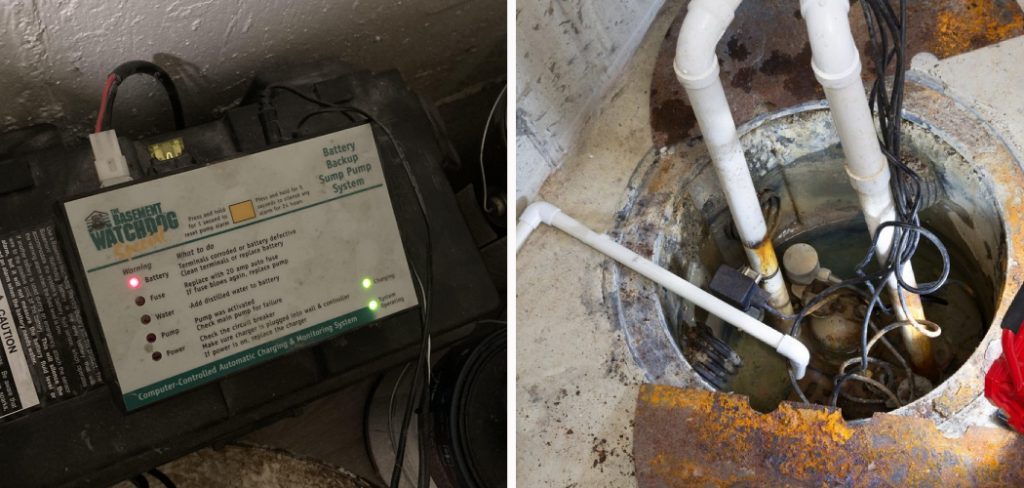
- Low Battery: Just like your phone at 5%, it's saying, "Help me, I need juice!" This could be due to a power outage that forced it to run, or simply an old battery that isn't holding a charge anymore.
- Charger Malfunction: Maybe the battery is fine, but the charger isn't doing its job. Think of it like a coffee maker that's plugged in but not actually brewing.
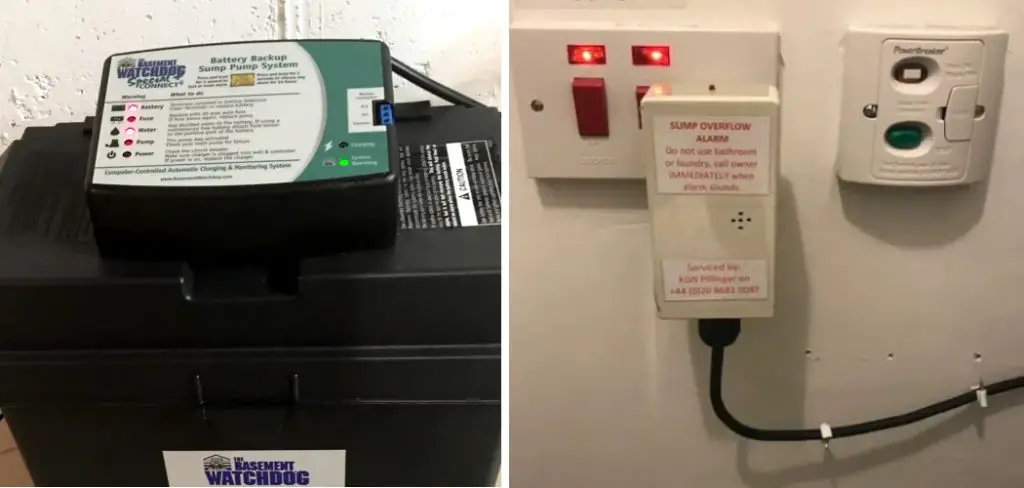
Check the indicator lights on your battery backup unit. They’ll often tell you if it’s charging, if the battery is low, or if there's a fault.
3. Sensor Shenanigans (Rare, But Annoying)
Occasionally, the sensor itself might be a bit finicky. It could be dirty, or just having a bad day and falsely reporting a high water level. If your pit is clearly empty, and the pump isn't running, this might be your culprit. A quick wipe-down of the sensor (if easily accessible and safe) can sometimes do the trick, but this might warrant a call to a pro if it persists.
Prevention is Key, My Friend!
To avoid future heart attacks, a little proactive love for your sump pump goes a long way. Think of it as giving your home's bouncer a spa day:
- Regular Peeks: Every few months, take a quick look into the pit. Is it clean? Are there any obvious obstructions?
- Test the Float: Gently lift the float switch by hand (if safe) to ensure it triggers the pump. The pump should kick on for a few seconds.
- Battery Check: If you have a backup, check its charge status regularly and consider replacing the battery every 3-5 years, just like your car battery.
See? You totally got this! That annoying alarm is just your house's way of saying, "Hey, I need a little attention!" And you, my friend, are now armed with the knowledge to silence it and figure out what’s what. So go ahead, enjoy that coffee, finish that game, and give yourself a pat on the back for being such a savvy homeowner. You’re basically a superhero, cape not required!