
How To Turn A Water Heater Off

Ever stared at your water heater, wondering what mystical levers and dials lay beneath its unassuming exterior? You're not alone! It might seem like a daunting task, but knowing how to turn off your water heater is a total adulting power move. Whether you're jetting off on a fabulous vacation, tackling a DIY home project, or just want to save a few pennies (and the planet!), this guide will have you confidently flipping switches and turning valves in no time.
Think of it as giving your home a little energy siesta. Plus, knowing how to do this simple task can save you a headache (and potentially a soggy basement) in case of a leak or emergency. Let's dive in!
Safety First, Always!
Before we go full engineer mode, let's talk safety. You're dealing with electricity or gas, so a healthy respect for these forces is key. Always proceed with caution. If you're ever unsure, don't hesitate to call a professional. Seriously, no shame in outsourcing the tricky bits!
Must Read
The Electric Slide: Turning Off an Electric Water Heater
Electric water heaters are common, often found humming away in basements, utility closets, or garages. Turning one off is usually a two-step dance, primarily involving your home’s electrical panel.
Step 1: Locate Your Breaker Box
This is your home's central nervous system for electricity. It's usually a grey metal box, often tucked away in a basement, garage, or a utility closet. Open it up (carefully!).
Step 2: Find the Right Switch
Inside, you'll see rows of switches. These are your circuit breakers. Look for the one clearly labeled "Water Heater," "WH," or a large double-pole breaker (meaning two switches connected by a bar) with a high amperage, like 30 or 40 amps. If your breakers aren't labeled (a common household mystery!), it might take a little detective work, or you might need a pro to help identify it safely.
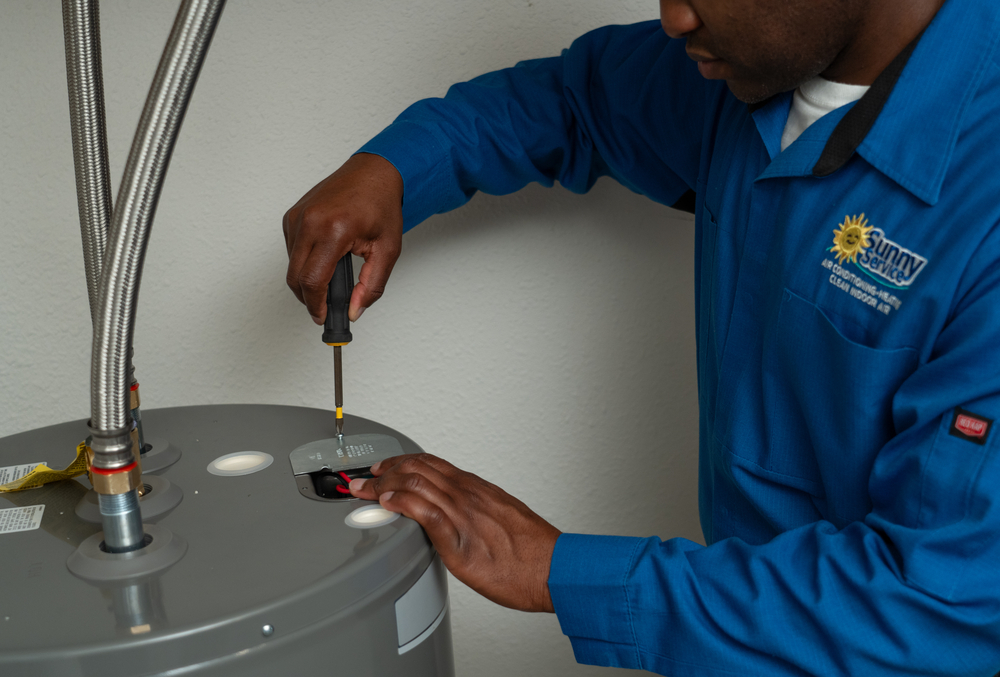
Fun Fact: Water heating accounts for a significant chunk of a typical home's energy use, sometimes up to 20%! Turning it off for extended periods can really make a difference.
Step 3: Flip it Off!
Once you've identified the correct breaker, firmly flip the switch to the OFF position. You should hear a satisfying click. Now, your electric water heater is powered down and ready for its rest!
Bonus Tip: Some electric water heaters also have a reset button or thermostat dial on the unit itself. While turning off the breaker is usually sufficient, for ultimate peace of mind (especially during maintenance), you can also set the temperature dial to its lowest setting or "vacation" mode if available.
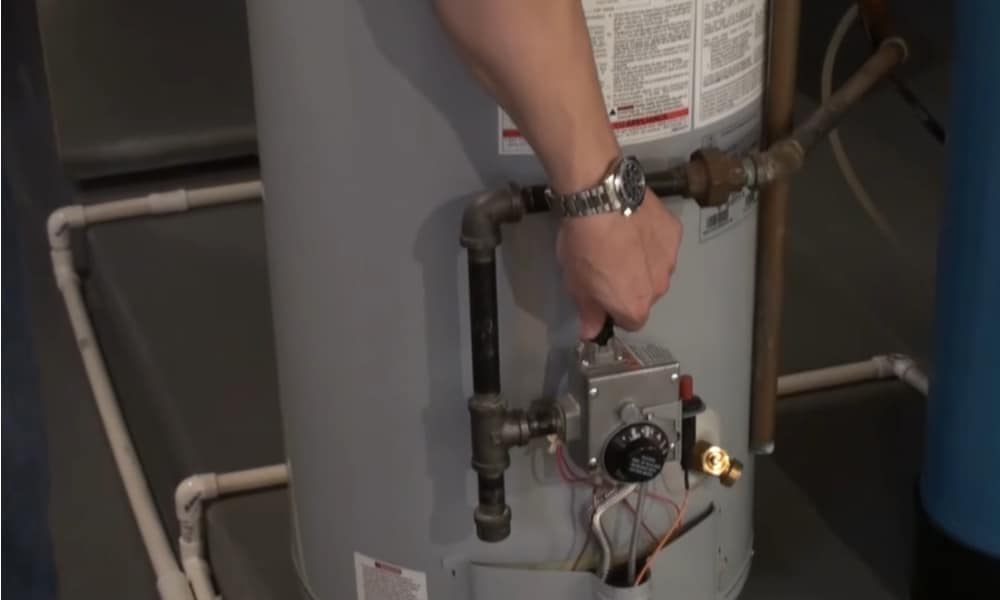
Going with Gas: Turning Off a Gas Water Heater
Gas water heaters use natural gas or propane to heat your water. Turning them off involves a different, but equally straightforward, process.
Step 1: Find the Gas Shut-Off Valve
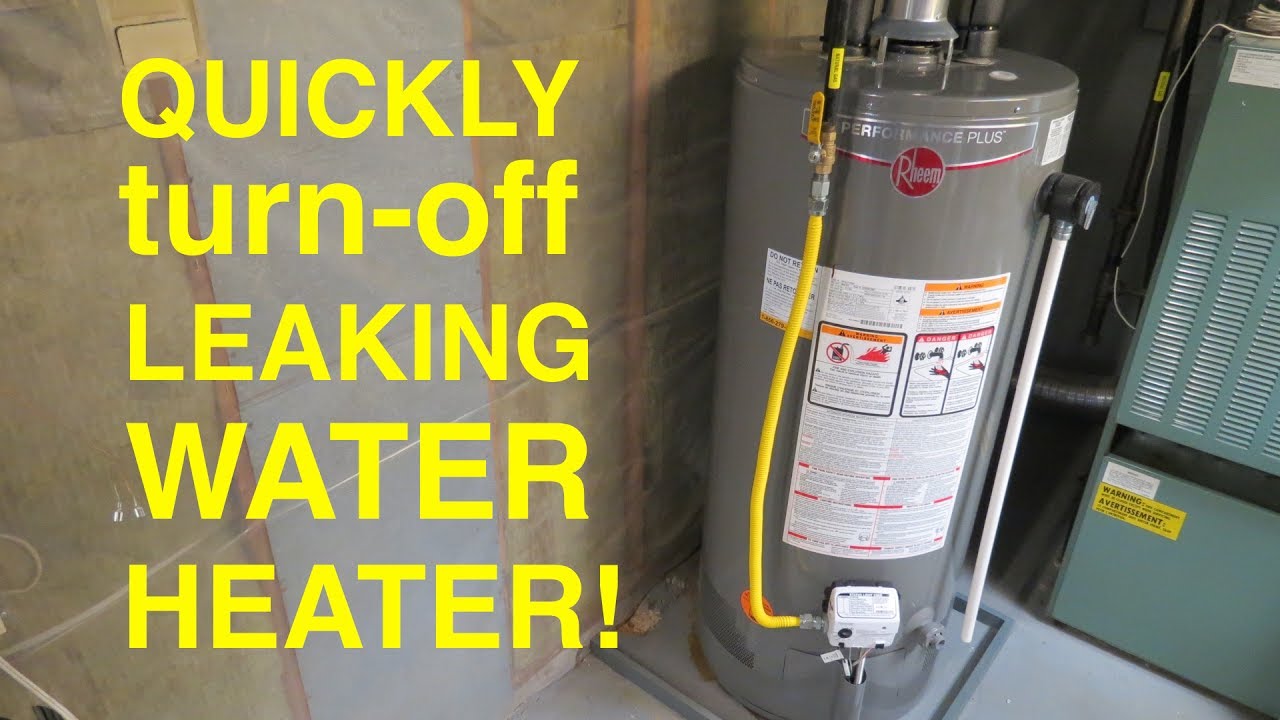
Head to your water heater. Look for a small gas pipe leading into the unit, usually near the bottom. Along this pipe, you'll find a valve. This valve often has a small handle, which might be red or yellow.
Cultural Reference: Think of this as your personal "emergency off" switch, like hitting the big red button in an old cartoon factory. Very satisfying!
Step 2: Turn it Off!
The handle on the valve will either be parallel to the pipe (meaning gas is flowing ON) or perpendicular to it (meaning gas is OFF). To turn off the gas, simply turn the handle so it's perpendicular to the gas pipe. If it's a knob, turn it to the OFF position.
Step 3: Turn Off the Water Heater's Controls
Most gas water heaters have a control knob on the front that lets you adjust the temperature and manage the pilot light. After turning off the main gas supply, turn this knob to the OFF or VACATION setting. This ensures the pilot light goes out and the burner won't attempt to ignite.
Heads Up: If you turn off the pilot light, remember you'll need to re-light it when you turn the water heater back on. Consult your owner's manual for specific instructions, as this varies by model. It's usually a simple push-and-hold operation, but always follow manufacturer guidelines!

Why Bother? The Perks of Being Prepared
You might be thinking, "This seems like a lot for just a water heater!" But knowing these steps gives you a quiet superpower. It brings peace of mind, especially when:
- You're away on a long vacation, preventing potential leaks from turning into major catastrophes.
- You're doing maintenance or repairs on the unit or nearby plumbing.
- You want to save energy and reduce your carbon footprint (and utility bill!) during extended absences.
It's like Marie Kondo-ing your home's functionality – understanding how things work, and taking control of them, just feels good.
The Big Picture
Learning how to turn off your water heater is more than just a practical skill; it's a small act of empowerment. It’s about understanding your home, taking charge of its systems, and being prepared for whatever life throws at you – whether it's a dream holiday or an unexpected plumbing hiccup. Embrace these little bits of knowledge; they add up to a more confident, capable you. Go forth and conquer your utility room!