
How To Transfer Solar Energy To Electricity
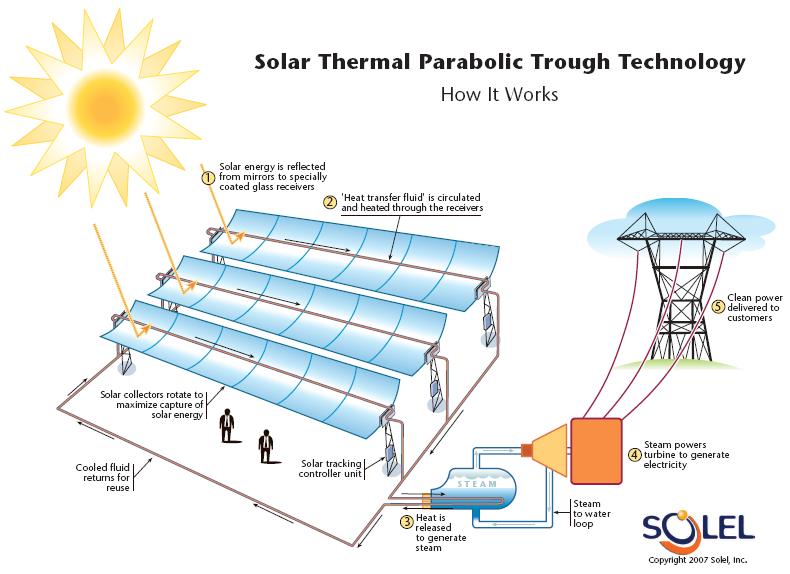
Okay, let's be honest. Solar power. It sounds like magic, right? We've got this giant ball of fire in the sky, and somehow, we're turning its rays into…electricity! Poof! Lights on!
But, let's ditch the magic show and peek behind the curtain. How do we actually make sunshine into usable energy? It’s simpler than you think, probably. Even if you still think it's kind of magic.
Step One: Catching the Rays (Like a Really Dedicated Sunbather)
Think of solar panels as tiny, super-efficient sunbathers. Instead of tanning, they're soaking up photons. What are photons? Tiny packets of light energy. Imagine them as mini-marshmallows of sunshine. (Okay, maybe not marshmallows. But it makes it easier to visualize, right?)
Must Read
These panels, those dark, shiny rectangles you see on rooftops and in solar farms? They're designed to be photon magnets. They’re all about that solar tan.
Step Two: Unleashing the Electrons (The Tiny Workers)
Here’s where the slightly-less-magical science happens. Solar panels are made of silicon, a material that, when hit by photons, gets a jolt of energy. This jolt is enough to knock loose tiny particles called electrons.
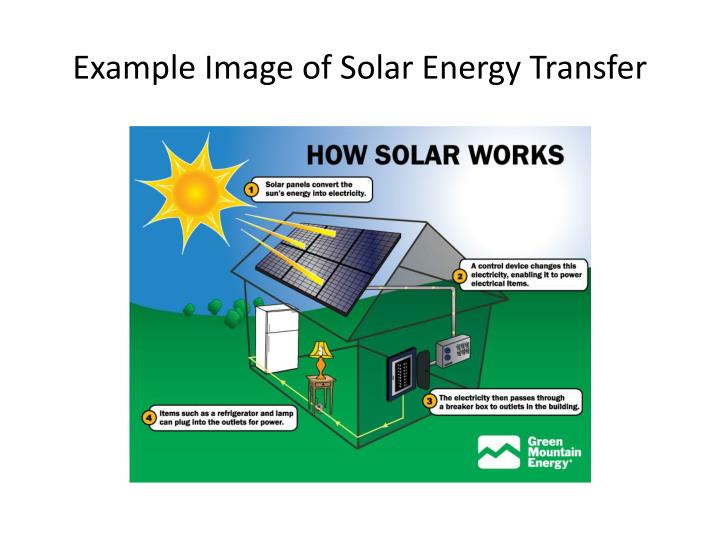
These electrons are like eager little workers who suddenly find themselves unemployed. The solar panel provides them with a nice, easy route to travel. It’s like the solar panel created a tiny, electron-sized highway.
This movement of electrons is what we call electricity! Pretty neat, huh?
Step Three: Channeling the Flow (Directing the Electron Traffic)
So, we've got electrons zooming around in a panel. Great! But we need to get them to do something useful. Like, power your toaster. Or binge-watch cat videos online. Important stuff, you know.
That's where wiring comes in. The solar panel is wired up to direct the flow of these electrons. Imagine it like a series of tiny roadways, all leading to the same destination: your electrical outlet.
Step Four: Inverting the Current (Making it Play Nice with Your Appliances)
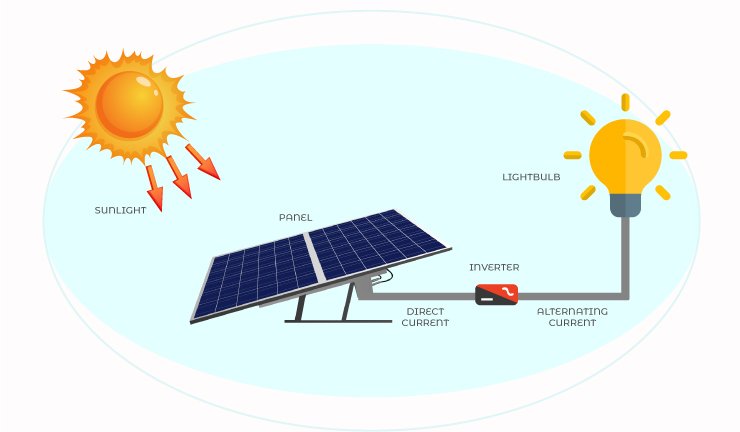
Here comes the slightly tricky part. The electricity produced by solar panels is called direct current (DC). Your house runs on alternating current (AC). It's like trying to plug a European plug into an American socket. It just doesn't work.

That's where an inverter comes in. This little box of wizardry transforms the DC electricity into AC electricity. It's the electrical translator that makes sure everything gets along nicely.
Think of it as the diplomat of the electrical world. Ensuring everyone speaks the same language (AC) so your microwave can properly heat up your leftovers.
Step Five: Powering Your Life (And Feeling Good About It)
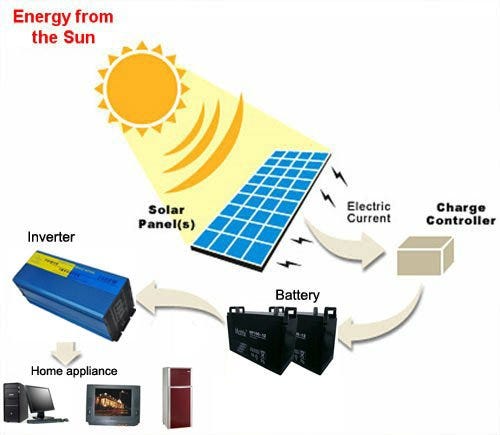
Voila! Sunshine has been converted into electricity. You can now use this electricity to power your home, charge your phone, or run your disco ball (because everyone should have a disco ball). You're officially harnessing the power of the sun!
Unpopular Opinion Time (Brace Yourselves)
Okay, here's my slightly controversial take: I think solar power is easier to understand than most people realize. We overcomplicate things! Sure, the nitty-gritty details of silicon and electron behavior can get complex. But the basic principle – sun hits panel, panel makes electricity – is pretty straightforward. I mean, it's not rocket science...it's just slightly more advanced sunbathing!
And let’s face it, feeling like you understand something, even just a little bit, makes it way more interesting. So, next time you see a solar panel, remember the tiny sunbathers and the eager electron workers. And maybe, just maybe, you'll feel a little bit of the solar power magic too. Even without the marshmallows.