How To Throw Out Light Bulbs

Ah, the humble light bulb! It’s the unsung hero of our homes, transforming gloomy corners into cozy nooks, illuminating our late-night reads, and banishing the monsters from under the bed. There's a subtle, often unacknowledged joy in the flip of a switch, a simple act that floods our lives with clarity and comfort. We rely on them daily, sometimes hourly, and when one finally flickers out, it marks not just the end of its luminous life, but the beginning of a small, yet significant, domestic ritual: the art of the light bulb send-off.
Far from a mundane chore, properly disposing of a spent bulb is a quiet nod to safety, responsibility, and the ongoing dance of modern living. The primary benefit? Keeping our homes, and our planet, a little bit safer and cleaner. Improper disposal can lead to broken glass hazards, or worse, release harmful chemicals like mercury found in older compact fluorescent lamps (CFLs) into our environment. By knowing how to say goodbye, we ensure that these small but mighty energy-givers don't become an ecological footnote in a landfill but are instead managed with the dignity they deserve.
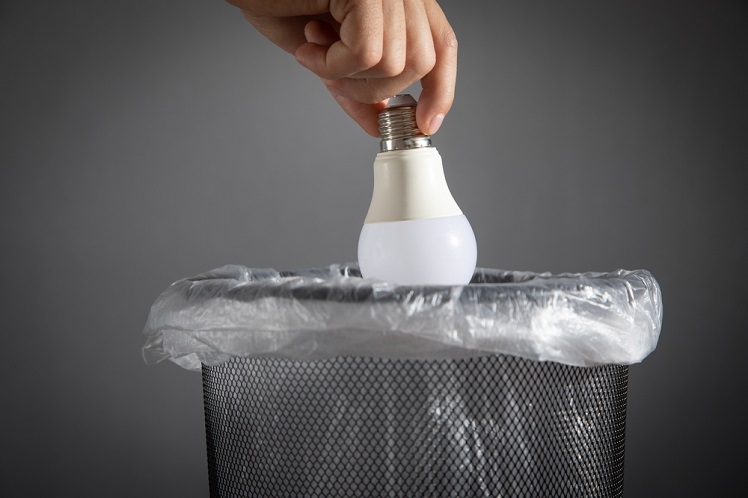
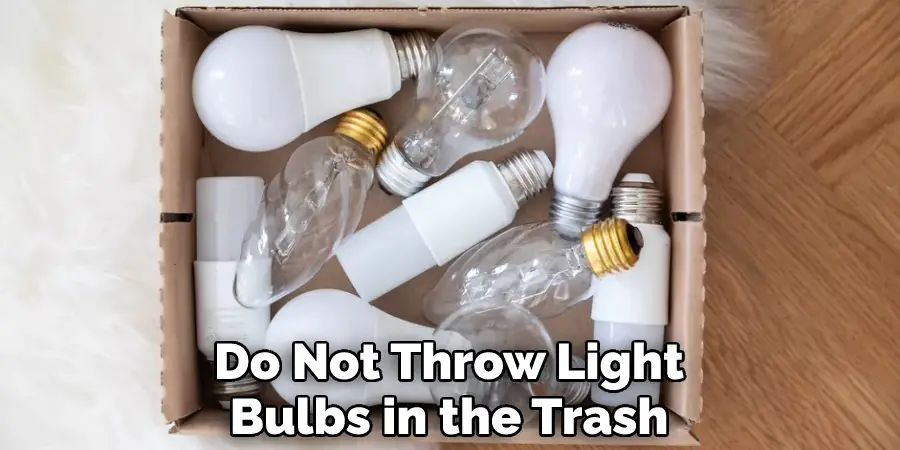
So, how does this vital act play out in our everyday lives? It all begins with identifying your fallen comrade. For old-school incandescent and halogen bulbs, often found in traditional lamps and fixtures, their journey typically ends in the general trash, as they contain no hazardous materials. A quick wrap in newspaper or a plastic bag is a polite final gesture to prevent glass shards from harming sanitation workers. However, when dealing with CFLs or fluorescent tubes – those twisty or long-tube wonders – the game changes. These energy-efficient marvels contain trace amounts of mercury, making them a no-go for standard trash bins. Many hardware stores like Home Depot or Lowe's offer free recycling drop-off points, and your local municipal waste facility almost certainly has a dedicated e-waste or hazardous waste collection. Lastly, the popular LED bulbs, while mercury-free, are considered electronic waste due to their internal components. They should also be recycled at specialized e-waste facilities, preserving valuable materials and keeping them out of landfills.
Must Read
To truly embrace and "enjoy" this essential task more effectively, consider these practical tips. Firstly, always prioritize safety. If a bulb breaks, don sturdy gloves and carefully sweep up glass shards with a stiff brush and dustpan, never your bare hands. For a CFL break, ventilate the room and use tape to pick up tiny fragments. Secondly, create a "bulb graveyard" in your home – a small, clearly labeled box or container where dead bulbs can safely await their final journey. This makes batch disposal a breeze, saving you multiple trips. Thirdly, be a local guru! Check your city or county waste management website. They often have comprehensive guides to local recycling centers and special collection events for hazardous waste. Finally, transform it into a habit. A monthly or quarterly trip to the recycling center can be surprisingly satisfying, a moment to reflect on your contribution to a healthier planet. It’s a small effort, with a bright impact!