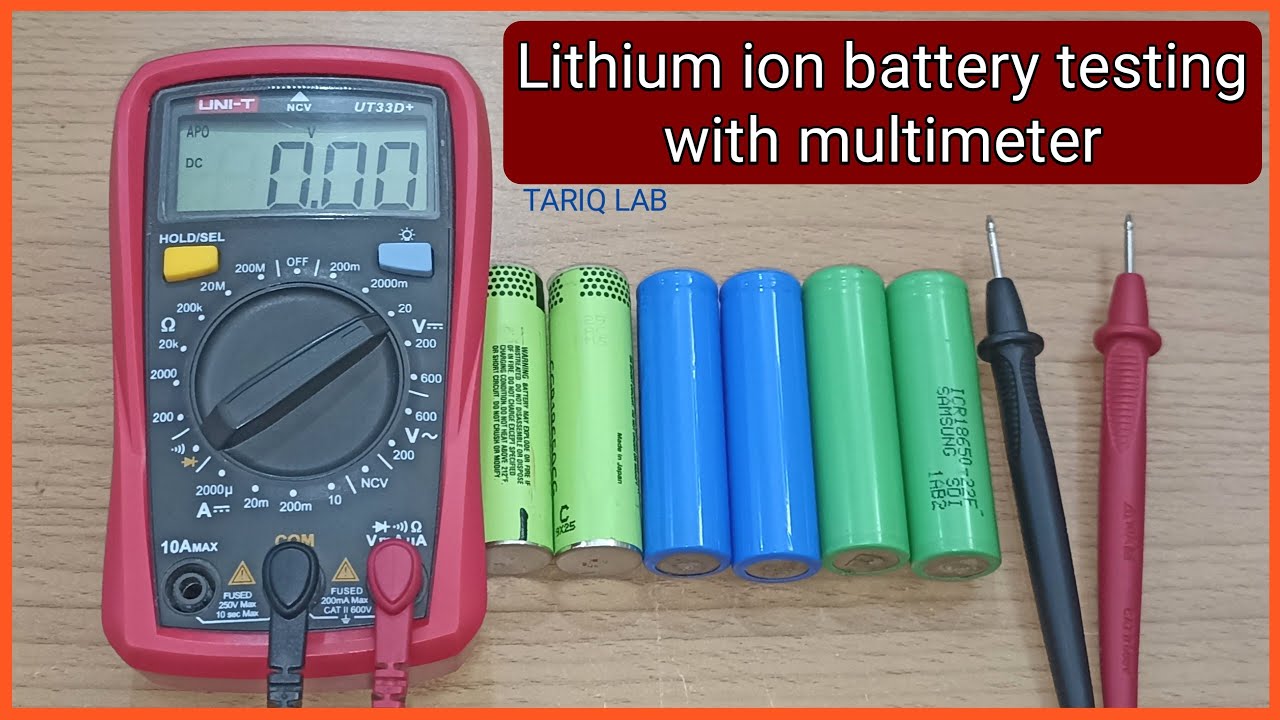
How To Test Lithium Ion Battery With Multimeter
Let's face it, we live in a lithium-ion world. From the phones glued to our hands to the electric scooters zipping down the street, lithium-ion batteries power a huge chunk of our daily lives. But have you ever stopped to wonder if that battery is really giving you all it's got? Or maybe you've got a drawer full of old batteries and you're wondering which ones are still good? That's where a trusty multimeter comes in! It's like a doctor for your batteries, able to diagnose their health and tell you if they're on the mend, on life support, or ready for the battery graveyard.
So, why bother testing your lithium-ion batteries with a multimeter? Well, for starters, it can save you money. Instead of blindly replacing a battery that might still be perfectly fine, you can use a multimeter to confirm its voltage and determine if it's truly dead. Think of it as a frugal superhero move! Plus, it's a safety thing. A bulging or damaged battery can be a fire hazard. Testing it with a multimeter can help you identify potentially dangerous batteries before they cause a problem. Safety first!
The applications are everywhere. You might use it to check the battery in your power drill before tackling that weekend DIY project, ensuring you don't get stuck halfway through building your dream birdhouse. Or perhaps you're an RC car enthusiast and want to keep track of your battery health to maximize your playtime. Maybe you're a prepper ensuring your emergency flashlights are ready to go. The possibilities are endless! In fact, many people who work with electronics, from hobbyists to professionals, find this skill incredibly useful.
Must Read
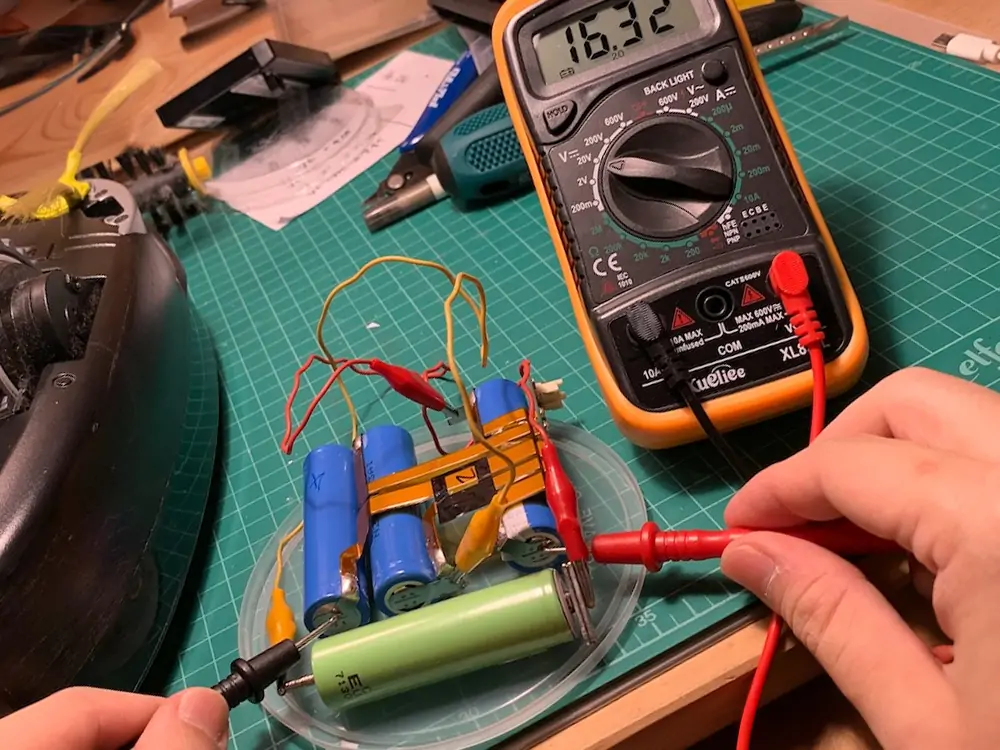
Now, let's get practical. Grab your multimeter and a fully charged (and safe!) lithium-ion battery. Before you start, always consult the battery's specifications to know its nominal voltage. This is the "ideal" voltage you should expect. Set your multimeter to DC voltage (DCV) and choose a range that's slightly higher than the nominal voltage of your battery. For example, if your battery is a 3.7V battery, set the multimeter to the 20V range. Now, carefully connect the red probe to the positive (+) terminal of the battery and the black probe to the negative (-) terminal. Make sure the probes are making good contact!

Read the voltage displayed on the multimeter. A fully charged lithium-ion battery should read close to its maximum voltage (usually around 4.2V for a 3.7V nominal battery). A good rule of thumb is that a battery reading significantly below its nominal voltage is likely nearing the end of its useful life. A reading of 3.0V or lower often indicates a critically low charge and the battery may not be recoverable. Be cautious with deeply discharged lithium-ion batteries, as attempting to recharge them can be dangerous.
To enjoy this process more effectively, invest in a good quality multimeter. A cheap, unreliable meter can give you inaccurate readings and waste your time. Read the instructions for your multimeter! Also, practice safe battery handling. Never puncture, crush, or expose lithium-ion batteries to extreme temperatures. Dispose of dead batteries properly at a recycling center. With a little knowledge and a multimeter, you can keep your lithium-ion powered world running smoothly and safely.