How To Test Kidde Carbon Monoxide Alarm
Okay, let's be honest. When you think of "fun activities," testing your carbon monoxide alarm probably isn't topping anyone's list right up there with a weekend getaway or a good book. But here's the thing: while it might not offer the thrill of skydiving, the satisfaction of a sparkling clean home, or the joy of a perfectly brewed coffee, testing your Kidde CO alarm brings something arguably even more profound: absolute peace of mind. It's a quiet act of love for your family and your sanctuary, a quick five-minute task that ensures your home remains a haven, not a hazard.
The beauty of a properly functioning carbon monoxide alarm lies in its ability to be your home's silent guardian. Carbon monoxide (CO), often dubbed the "silent killer," is a truly insidious gas. It’s colorless, odorless, and tasteless, meaning you can be exposed to dangerous levels without ever knowing it. Produced by common household appliances like furnaces, gas stoves, water heaters, fireplaces, and even your car if it’s idling in an attached garage, CO replaces oxygen in your blood, leading to potentially fatal consequences. Your Kidde alarm isn't just a gadget; it's an essential early warning system that literally detects the undetectable, protecting those you cherish most.
You'll find these vital alarms strategically placed throughout most modern homes and apartments. Common areas include hallways outside sleeping areas, inside or outside bedrooms, and near attached garages or major CO-producing appliances. They come in various forms – plug-in models, battery-operated standalones, and hardwired units – but their purpose is universally critical: to alert you with a loud, unmistakable siren the moment CO levels become dangerous. Think of it as your personal, highly sensitive air quality monitor, constantly on duty so you don't have to be.
Must Read
Now, for the practical part – how to keep your Kidde guardian vigilant. It's surprisingly simple! Here are some practical tips to ensure it's always ready to protect:
- Test Regularly: Aim to test your alarm at least once a month. A great mnemonic is to do it on the first of every month, or whenever you change the clocks for daylight saving time.
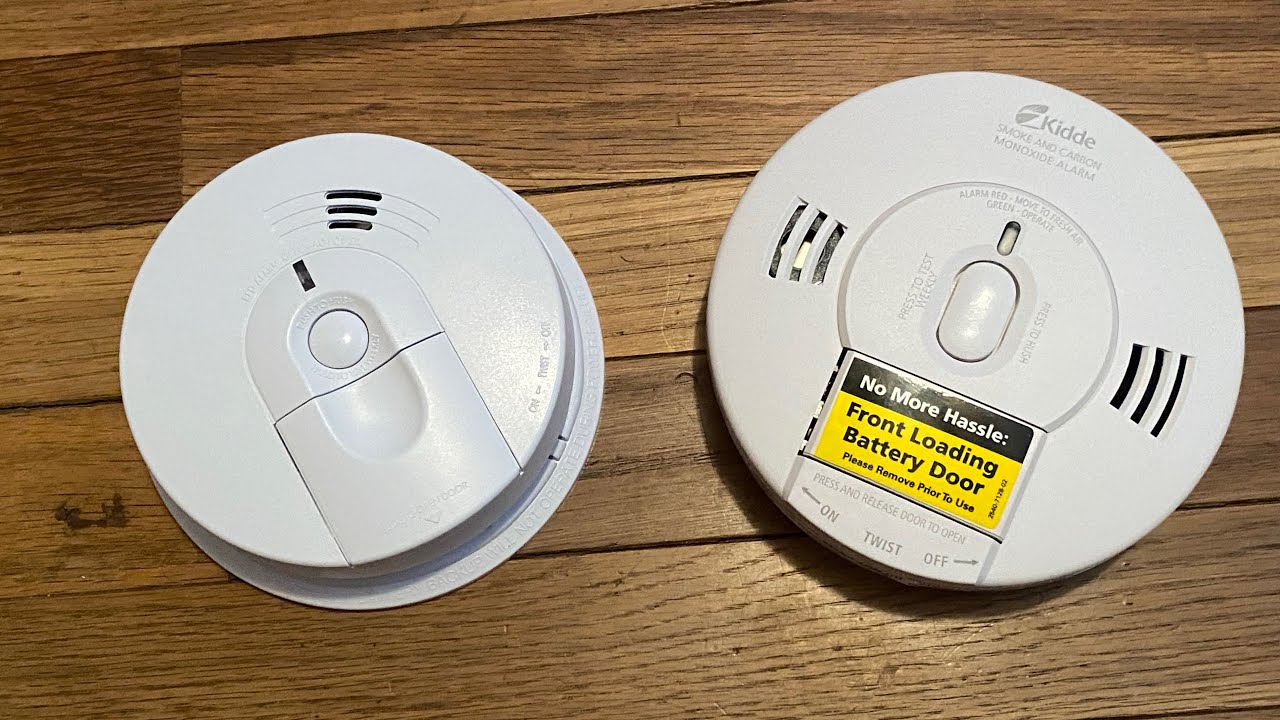
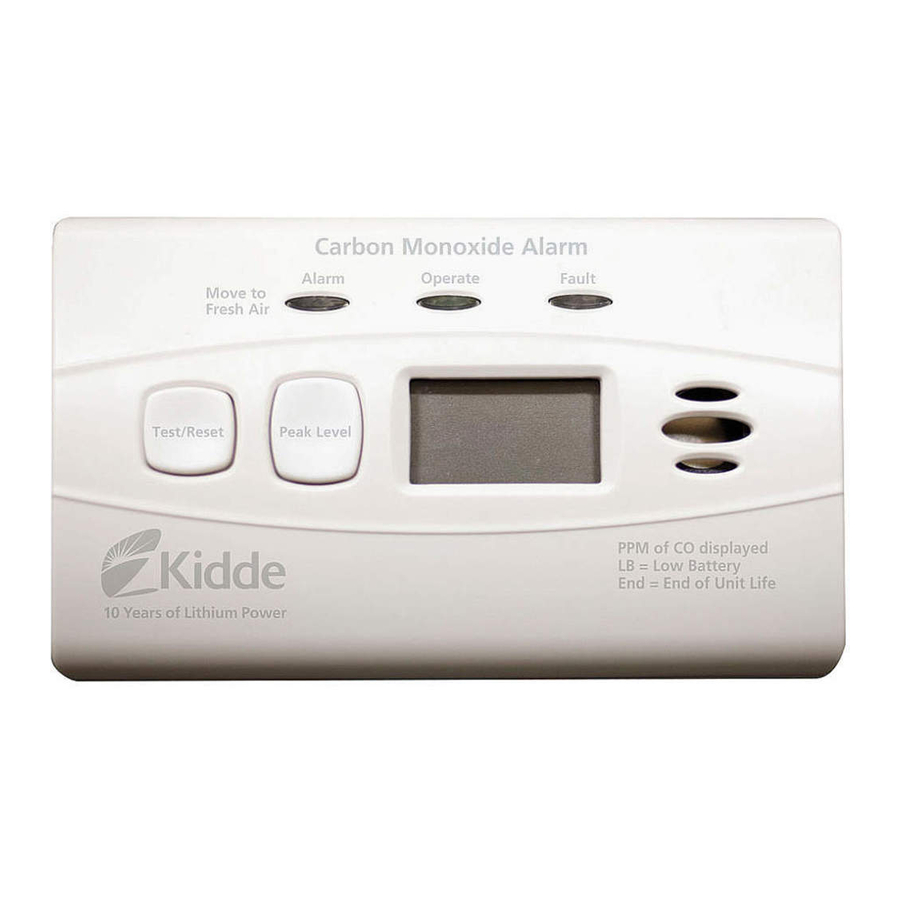
- Press the Button: Locate the "Test/Reset" button on your Kidde CO alarm. Simply press and hold it for a few seconds. You should hear a series of loud beeps – typically four rapid beeps, a pause, and then another four rapid beeps. This confirms the electronics and horn are working.
- Listen for the Chime: If your alarm starts chirping once a minute, it’s not crying wolf; it’s telling you its batteries are low. Replace them immediately! Most battery-operated units use AA or 9V batteries.
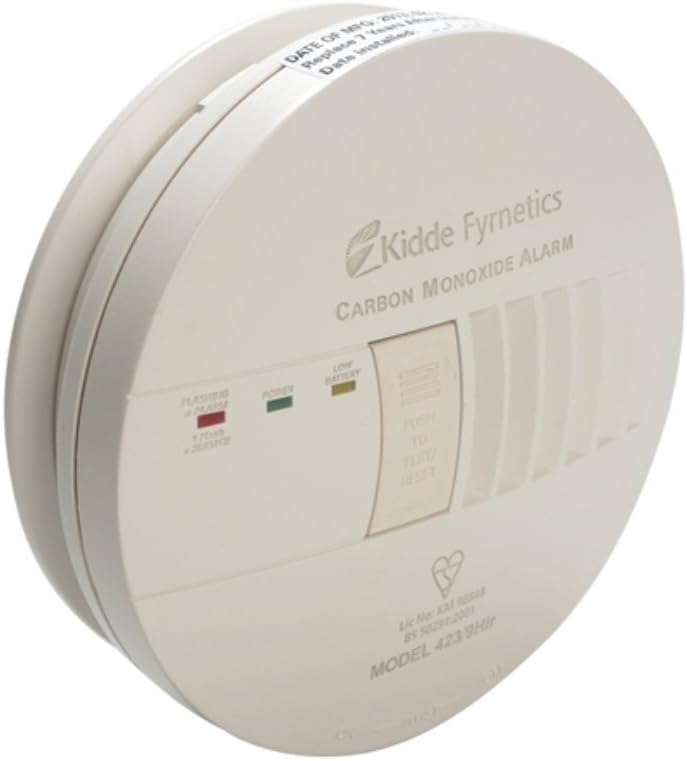
- Know Its Lifespan: CO alarms don't last forever. They have a finite sensor life, usually 7 to 10 years. Check the manufacturing date on the back of your unit; if it’s past its prime, it's time for a brand-new replacement. This is crucial as the sensor degrades over time.
- Keep it Clean: Dust and debris can interfere with the sensor. Gently vacuum around the vents or wipe the unit with a soft, damp cloth every few months to keep it clear.
Taking these small steps makes you a proactive hero in your own home. It’s a quick, easy routine that offers an immeasurable return: the assurance that your family is safe, sound, and breathing easy. So go ahead, give that Kidde alarm a test – you're not just pressing a button, you're embracing peace of mind!