
How To Test If Alternator Is Charging The Battery
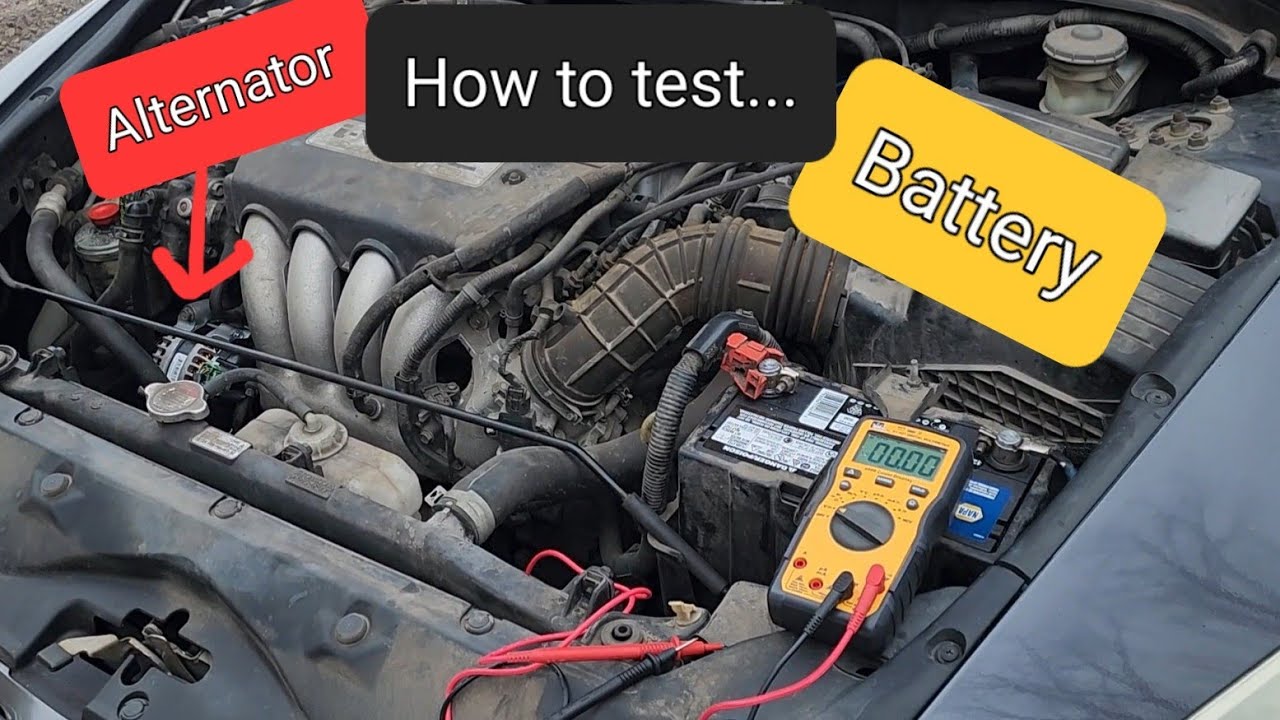
Let's face it, cars. We love them, we need them, but sometimes they feel like grumpy metal beasts holding us hostage with their mysterious inner workings. And nothing’s more anxiety-inducing than that nagging feeling your car might be dying on you. One minute you’re cruising, the next you’re picturing yourself stranded on the side of the road, waving frantically for help, all because of… the alternator?
The alternator. It’s the little engine-that-could of your car’s electrical system, diligently recharging the battery while you’re driving. Think of it like a tiny, tireless hamster on a wheel, constantly generating electricity to keep your lights shining bright and your radio blasting your favorite tunes. But what happens when our furry friend gets tired? Or worse, calls in sick?
Thankfully, you don't need to be a certified mechanic with a handlebar mustache and a wrench permanently glued to your hand to figure out if your alternator is pulling its weight. There are some surprisingly simple ways to check if it's charging the battery like it should. No lab coats or oscilloscopes required!
Must Read
The “Dashboard Detective” Method
Your car is actually pretty chatty, if you know how to listen. The first clue often comes from the dashboard. Remember that little battery-shaped light that illuminates when you first turn the key? That’s usually a good sign. But if it stays on, or flickers while you're driving, that's your car's way of yelling, "Houston, we have an alternator problem!" Think of it as the car equivalent of a smoke signal, desperately trying to warn you about impending doom… or at least, a trip to the auto shop.
However, sometimes your car is a bit more subtle. Maybe the headlights seem a little dimmer than usual, especially at night. Or perhaps your car starts a little… reluctantly. It’s like it’s dragging itself out of bed on a Monday morning. These are all hints your alternator might be slacking off.
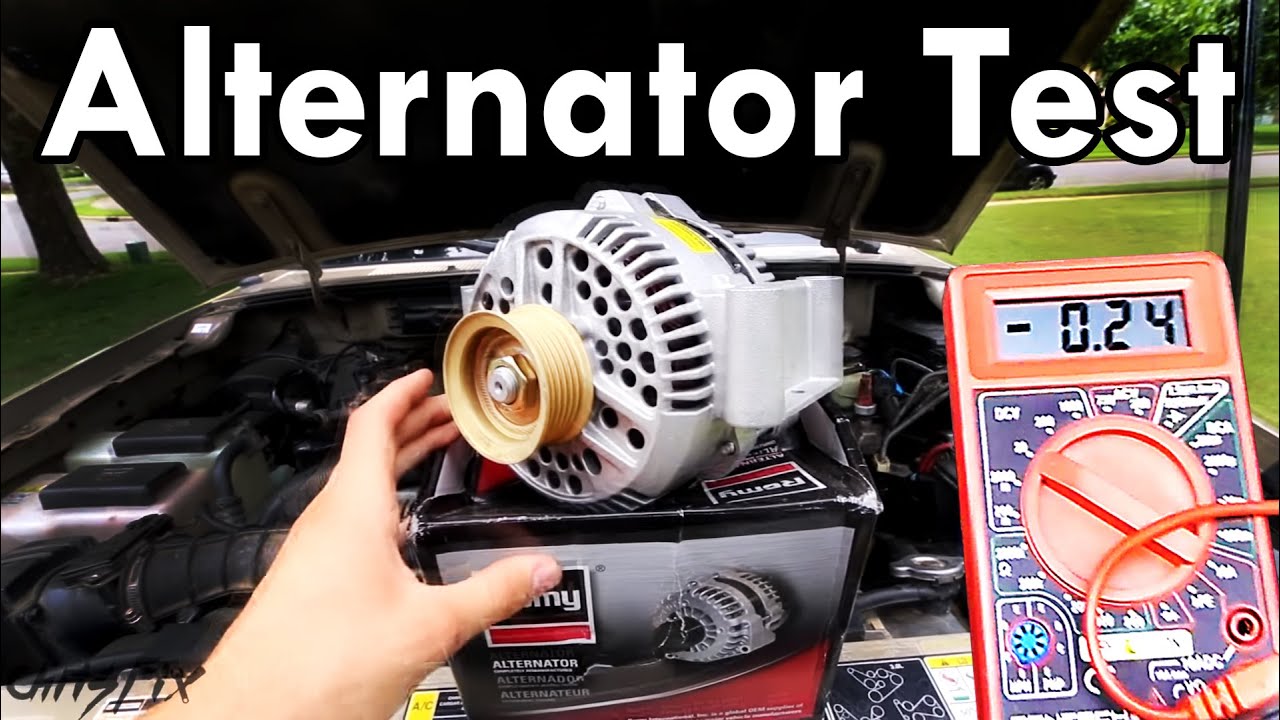
The “Voltmeter Voyage” (A Slightly More Adventurous Approach)
Okay, this one requires a tiny bit of bravery and a voltmeter, which you can find at most auto parts stores or even borrow from a friendly neighbor. Don't worry, it’s not as scary as it sounds. Think of it as a doctor's stethoscope for your car's electrical heart.
First, with the engine off, connect the voltmeter to your battery terminals. Red to positive (+), black to negative (-). A healthy battery should read around 12.6 volts. Write that number down, it’s important. Now, start the engine. If the alternator is working correctly, the voltage reading should jump to somewhere between 13.7 and 14.7 volts. This is the alternator doing its happy little hamster-on-a-wheel dance and recharging the battery.
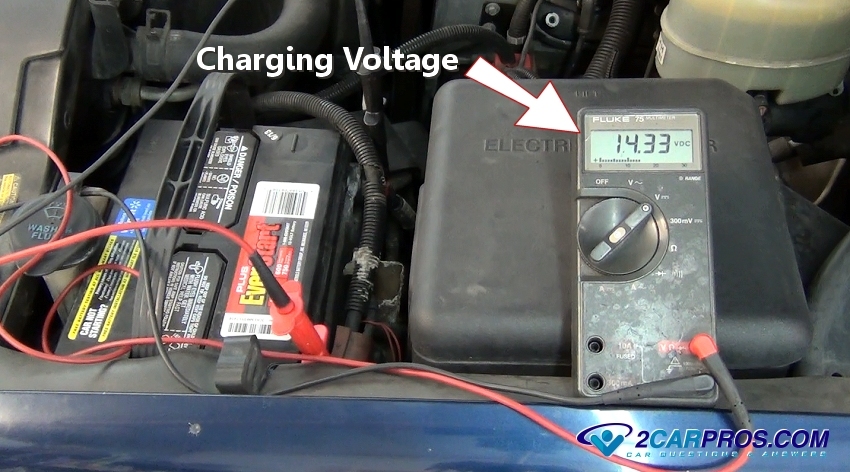
If the voltage stays the same as when the engine was off, or even drops, that's a strong indication your alternator is playing hooky and not doing its job. Time for a visit to the mechanic!
The “Listen Closely” Test
Believe it or not, your alternator can sometimes tell on itself. Pop the hood while the engine is running and listen closely. If you hear a high-pitched whining or grinding noise coming from the alternator, it could mean the bearings are worn out. It’s kind of like your car is singing a sad, mechanical song about its impending failure.
This isn't a definitive test, but it's another piece of the puzzle. And hey, at least you get a free concert out of it!

A Little Common Sense Goes A Long Way
Sometimes, it’s not about fancy tools or complicated tests. Sometimes, it’s just about paying attention. Have you been leaving your lights on accidentally? Do you have a ridiculously powerful sound system that’s draining the battery? These things can all put extra strain on your alternator. It’s like asking your little hamster to power a stadium instead of a house. Eventually, it’s going to get tired!
So, the next time you're behind the wheel, remember that your car is constantly communicating with you. Pay attention to the signals, listen for the clues, and don't be afraid to get your hands a little dirty. Diagnosing a potentially failing alternator isn’t just about saving money; it’s about building a deeper, more rewarding relationship with your four-wheeled companion. And who knows, you might even discover your inner mechanic along the way!
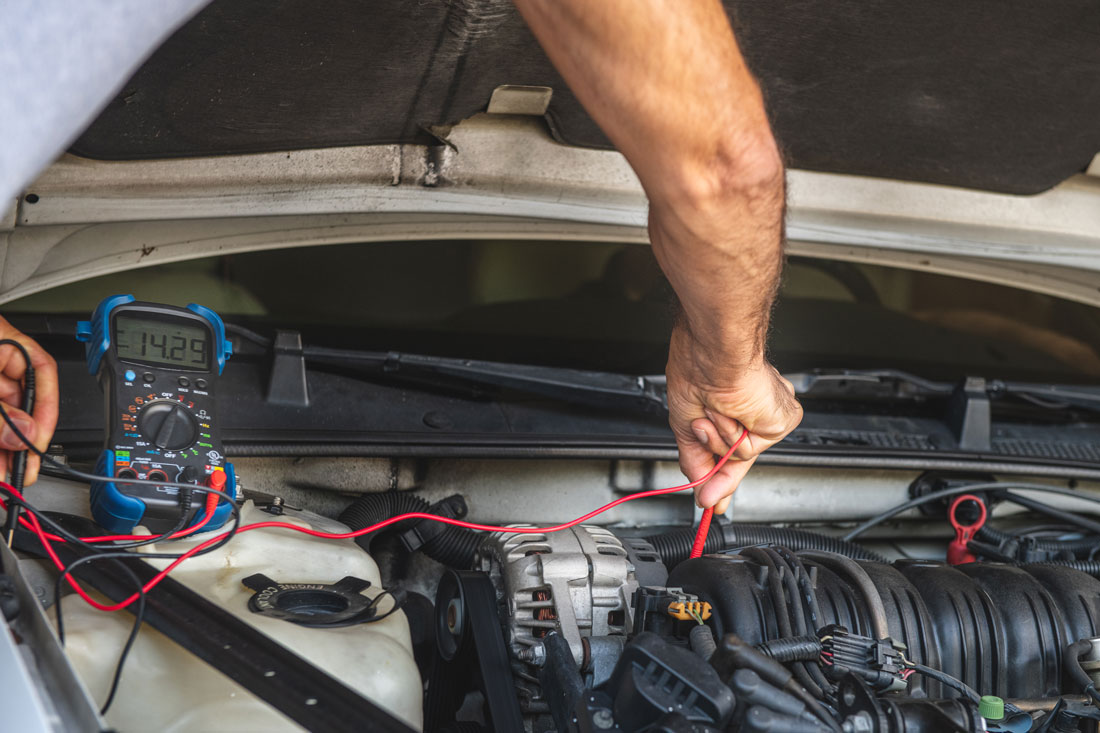
And remember, if all else fails, there’s no shame in seeking professional help. After all, even the grumpiest metal beasts deserve a little TLC every now and then. A good mechanic is like a car whisperer, able to understand its needs and get it back on the road, purring like a kitten.
Disclaimer: If you're unsure about any of these tests, or if you're dealing with potentially dangerous electrical components, it's always best to consult a qualified mechanic. Safety first!