How To Test A Water Well Pump

Is your well pump acting like a grumpy teenager, refusing to give you consistent water? Or maybe it's decided to take a sabbatical, leaving you high and dry at the most inconvenient times? Fear not, fellow water-seeker! Testing your well pump doesn't have to be a daunting task involving complicated machinery or ancient incantations. We're going to dive into some super fun, super simple ways to check if your trusty pump is just having an off day or if it's truly ready for its retirement party. Let's get started with a dose of investigative enthusiasm!
The Sherlock Holmes Visual Scan
First things first, let's put on our detective hats and give your pump area a good old-fashioned once-over. Imagine it's a shiny new car you're admiring, but instead, it's a hard-working water-mover! Look around the pump area itself. Are there any obvious signs of trouble? We're talking about visible leaks, like little weeping tears from a stressed-out hose, or puddles that weren't invited to the party. How about any wires looking like they’ve wrestled a wild badger and lost? Are there strange smells, like something's burning or just generally 'off'? If you spot anything glaringly wrong, like a hose that's clearly sprung a leak or a connection that’s come undone, sometimes a simple fix is all you need. Give any visible pipes and connections a good, gentle poke (if safe!) and see if anything is obviously loose or damaged. A quick visual might save you a world of detective work!
The Sound Safari (What's Your Pump Saying?)
Now, let's engage our super-hearing powers, because your pump often tells tales with its sounds! Head down to wherever your pump hangs out – typically in a well house, basement, or directly in the well. Turn on a faucet inside your house – ideally one that's close to the pump, but any will do – and listen carefully. Does it kick on with a confident hum, like a bumblebee on a mission? Or does it sound like a rusty robot attempting to sing opera?
Listen for the "start" and "stop" sounds and everything in between.A healthy pump usually whirs to life, runs smoothly, and then clicks off after building sufficient pressure. If you hear it short-cycling (turning on and off rapidly like it can't make up its mind), or making grinding, screaming, or rattling noises that sound like it's trying to pass a small, very confused rock, those are big red flags. A weak, struggling pump might also produce a low, sad groan instead of a robust whir. It's like listening to a beloved pet – you just know when something isn't quite right with its usual purr or bark!
Must Read
The Epic Bucket Challenge
This is where the real fun begins, folks! We're going to give your pump a proper workout, and you'll become a certified Water Flow Analyst. Grab yourself a bucket – any old bucket will do, but knowing its exact volume (say, 5 gallons) is a bonus! Now, open a faucet – preferably an outdoor spigot or a utility sink faucet so you're not flooding your kitchen – and let the water flow full blast. Get your stopwatch ready (your phone will do perfectly). Time how long it takes to fill that bucket completely.
Don't be shy; let that water gush as if it's the last water on earth!A typical well pump should deliver a pretty steady, strong stream. If it takes an eternity to fill your bucket, or the stream starts strong and then dribbles to a sad little trickle, that's a clue. For example, if your pump used to fill a 5-gallon bucket in 30 seconds, but now it's taking two minutes, Houston, we definitely have a problem! This test helps you gauge the volume and consistency of water your pump is delivering. It’s like checking if your coffee machine is still brewing a full, robust cup or just giving you sad, weak drips.
The Pressure Peek-a-Boo
Okay, now for a quick peek at pressure. Most homes have a pressure gauge near the pressure tank. It looks a bit like a tiny speedometer. When your pump kicks on, watch that needle! It should rise steadily to a certain point (often between 40-60 PSI), and then the pump should click off.
Is the gauge playing hide-and-seek with its numbers, or not moving at all?Does the pressure drop super fast when you're using water, like someone just pulled the plug on a bathtub? Or does it seem to bounce around frantically? If the pump turns on, goes to full pressure, but then the pressure drops like a stone the moment you use water, it could mean the pressure tank needs some love, or the pump itself is struggling to maintain pressure. If you don't have a visible gauge, you can simply observe the force of the water from a faucet. Does it feel robust and steady, or does it feel like your water is on a diet, thin and weak?
The Electrical Whisper (with a Loud Warning!)
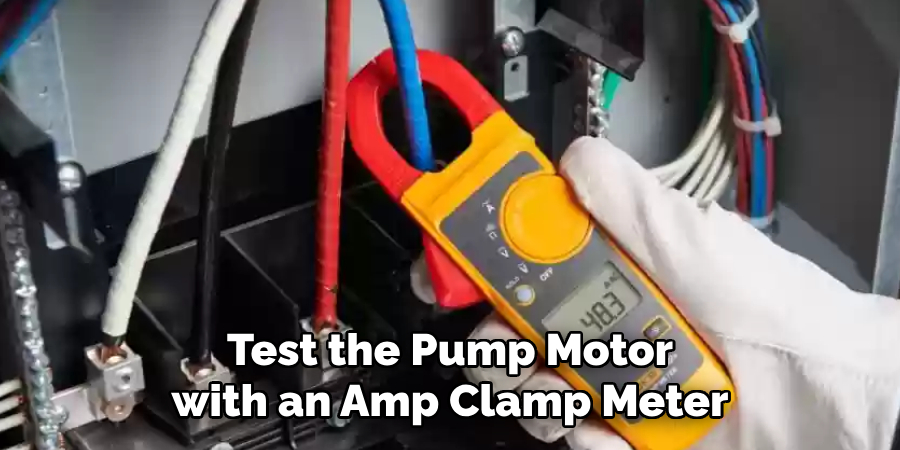
Now, a quick but CRITICAL note on anything electrical. We're talking about the pump's brainpower here! While you might be tempted to peek, DO NOT mess with electrical wiring unless you are a qualified professional. Seriously, this isn't a DIY project for the faint of heart or the inexperienced. However, you can safely check if the circuit breaker for your well pump has simply tripped. It's usually labeled in your electrical panel (sometimes simply 'Well' or 'Pump'). If it's flipped to the 'off' position, or somewhere in between, gently push it all the way off, and then firmly back on.
If the breaker immediately trips again, STOP! Do not try to force it.That's your unmistakable cue to call in the cavalry – a professional well technician or electrician. Safety first, always! We want you to enjoy your water, not become part of an electrical spectacle.
There you have it! A whirlwind tour of how to playfully, yet effectively, check on your well pump. You've given it a visual once-over, listened to its innermost thoughts, challenged it to a bucket race, checked its pressure personality, and safely glanced at its electrical lifeline. By running through these simple steps, you'll have a much clearer idea of whether your pump is just having a temporary tantrum, needs a minor adjustment, or is truly ready for a professional intervention. So go forth, intrepid water sleuth, and give your well pump the diagnostic attention it deserves. Happy testing!