How To Tell What Type Of Plastic Something Is
Hey there, curious minds! Ever wondered what that water bottle you're holding is actually made of? Or if that container in your fridge is safe to microwave? We're surrounded by plastic, but do we really know plastic?
Well, buckle up! Today, we're diving into the fascinating (yes, I said fascinating!) world of plastic identification. It's like being a plastic detective! And trust me, knowing your plastics can be surprisingly useful.
Why Bother Knowing Your Plastics?
Okay, valid question. Why should you care if your yogurt cup is made of polystyrene or polypropylene? Here's the thing: not all plastics are created equal. Some are easily recyclable, some are better for food storage, and some... well, some are best avoided altogether.
Must Read
Think of it like this: you wouldn't cook a steak in a paper bag, right? (Hopefully not!). Same principle applies to plastic. Knowing your plastics helps you make informed choices about what you buy, how you use it, and how you dispose of it.
Plus, it's just plain cool to impress your friends with your plastic knowledge! "Oh, that's just PET. Totally recyclable." Boom. Instant eco-warrior status.

Decoding the Numbers Game: The Resin Identification Codes
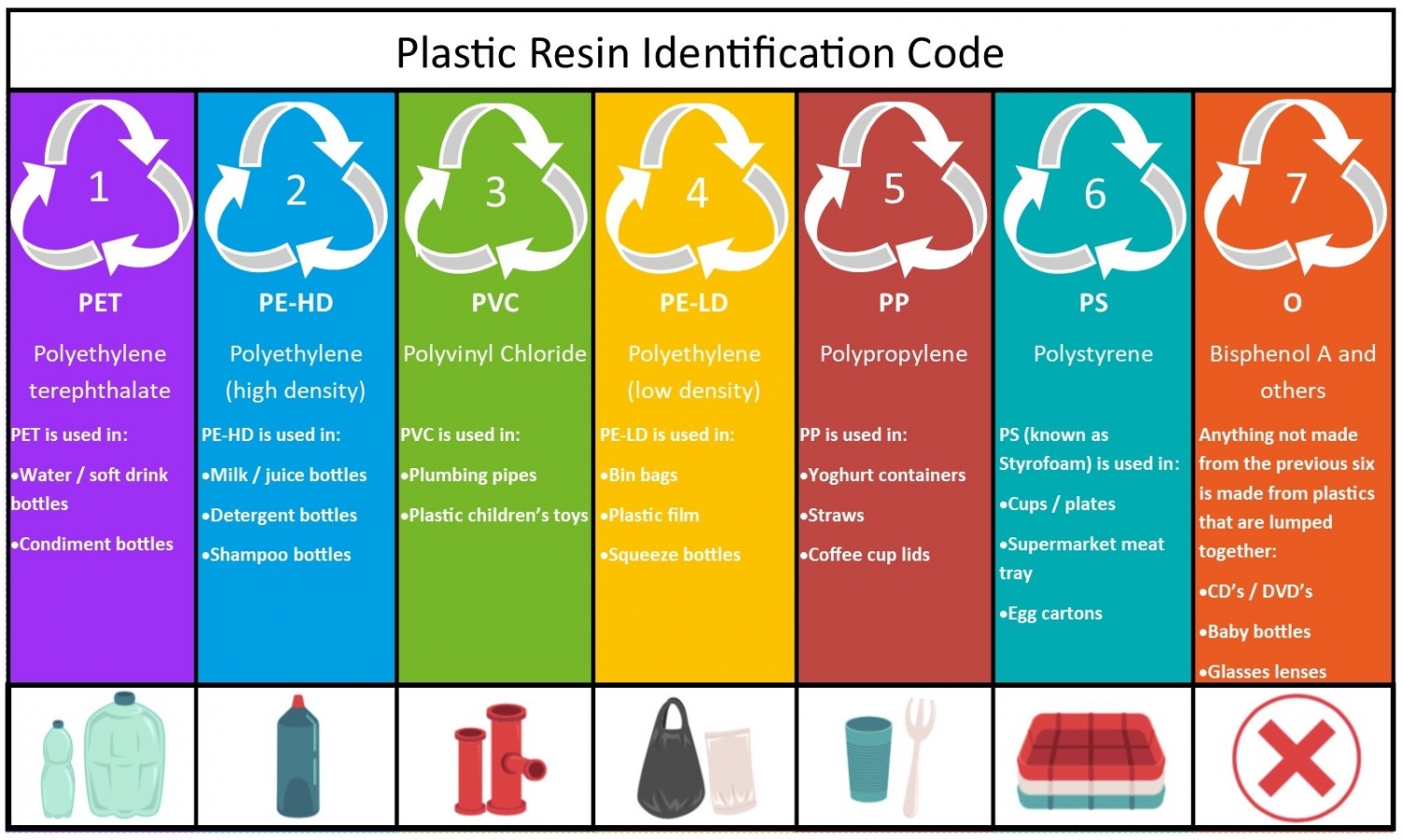
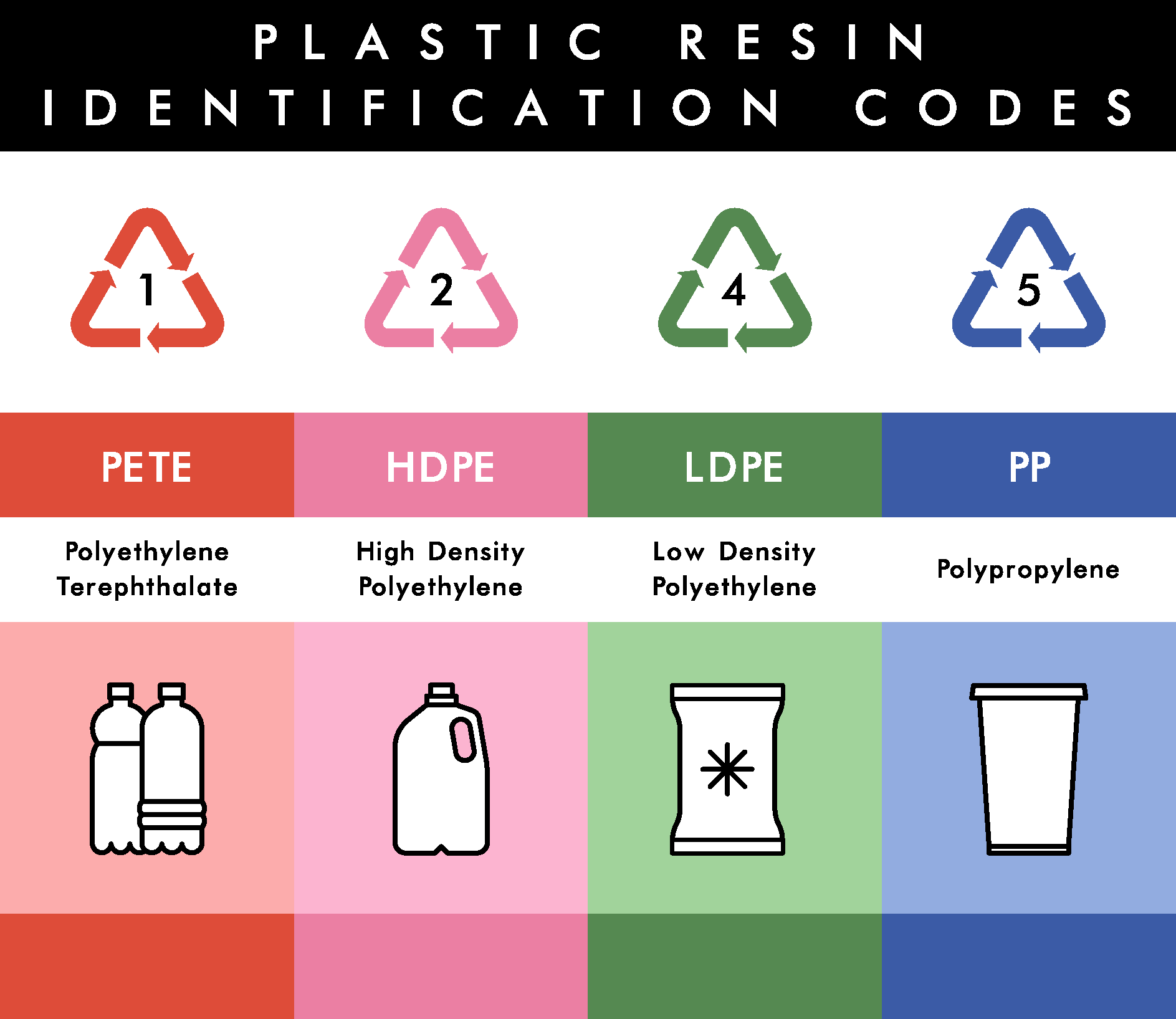
Alright, let's get down to the nitty-gritty. The most common way to identify plastic is by looking for the little recycling symbol, that triangle of arrows, usually on the bottom of the container. Inside that triangle, you'll find a number – a resin identification code. This number tells you the type of plastic it is.
Now, before you get intimidated, think of it like learning the alphabet. You don't need to memorize everything at once. Just a basic understanding will go a long way.
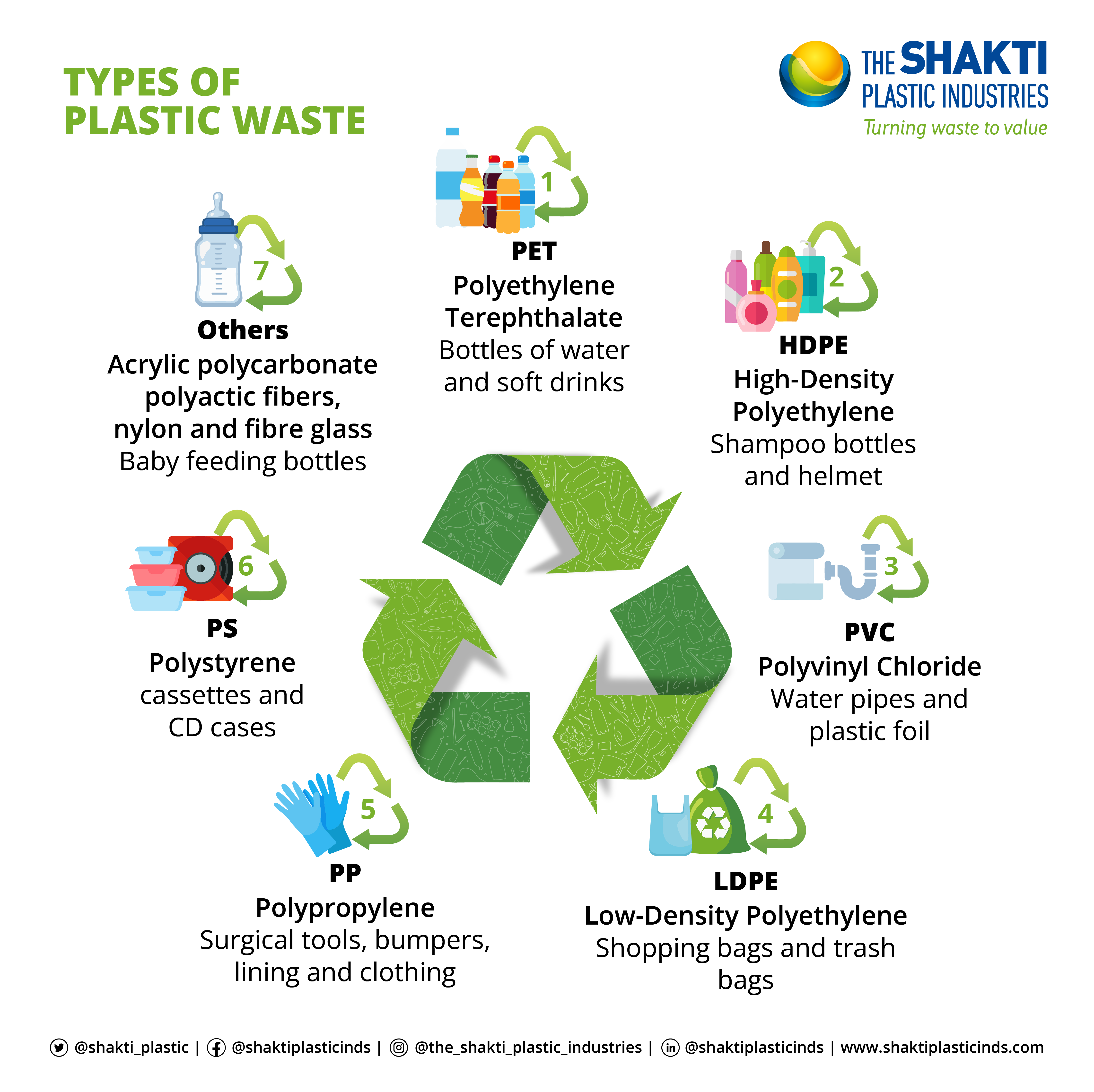
Here’s a quick rundown of some common plastics and their codes:
- 1: PET (Polyethylene Terephthalate): This is your go-to for water bottles, soda bottles, and some food containers. PET is generally considered safe and is widely recycled. Think of it as the friendly, reliable plastic.
- 2: HDPE (High-Density Polyethylene): Milk jugs, detergent bottles, and some toys are often made from HDPE. It's strong, durable, and also readily recyclable. Consider it the workhorse of the plastic world.
- 3: PVC (Polyvinyl Chloride): This one's a bit more controversial. PVC is used in pipes, siding, and some cling wrap. It can release harmful chemicals during production and disposal, so it's best to avoid it when possible, especially for food contact. Think of PVC as the mysterious, slightly shady character in the plastic lineup.
- 4: LDPE (Low-Density Polyethylene): Plastic bags, cling wrap (the less scary kind!), and squeezable bottles are often made from LDPE. It's flexible and relatively safe, but recycling can be tricky in some areas. Consider it the flexible friend, but maybe not the most reliable.
- 5: PP (Polypropylene): Yogurt containers, medicine bottles, and some food storage containers are often made from PP. It's strong, heat-resistant, and generally considered safe for food contact. Think of PP as the versatile and dependable one.
- 6: PS (Polystyrene): This is your Styrofoam. Used in disposable cups, takeout containers, and packing peanuts. Polystyrene is often difficult to recycle and can leach chemicals, so it's best to avoid it if possible. Consider it the party crasher you don't really want around.
- 7: Other: This category is a catch-all for plastics that don't fit into the other categories, including polycarbonate (which contains BPA) and acrylic. It's best to be cautious with #7 plastics, especially if they come into contact with food or drinks. Think of it as the "mystery box" – you never quite know what you're going to get.
Beyond the Numbers: Other Ways to Identify Plastic
Sometimes, you won't find a number on the plastic. What then? Don't worry, you're not out of luck!

- The Look and Feel Test: Is it rigid or flexible? Clear or opaque? Different types of plastic have different physical properties. For example, PET is usually clear and rigid, while LDPE is flexible and often translucent.
- The Smell Test (Use Caution!): If you carefully and briefly expose the plastic to a heat source (like a lighter, but be extremely cautious!), different plastics will emit different smells. (Seriously, be careful with this one! And do it in a well-ventilated area.)
- The Sink or Swim Test: Some plastics are denser than water and will sink, while others will float. This isn't foolproof, but it can give you a clue.
Becoming a Plastic Pro: It's a Journey!
Learning to identify plastics takes time and practice. Don't get discouraged if you don't get it right away. Just keep observing, comparing, and asking questions. Think of it as a fun little game you can play every time you encounter a new plastic object.
And remember, knowing your plastics isn't just about being a responsible consumer; it's about understanding the world around you. So go forth, explore, and become a plastic detective! Happy sleuthing!