
How To Tell What Type Of Light Bulb You Have

Ever stood in the hardware store, staring blankly at rows and rows of light bulbs, feeling like you're deciphering ancient hieroglyphics? You're not alone! Figuring out what kind of light bulb you have might seem trivial, but trust me, it's a superpower worth unlocking. Think of it as understanding the secret language of illumination! Why bother? Well, imagine accidentally buying the wrong bulb and ending up with a room that's either brighter than the sun or dimmer than a cave. Not ideal, right?
Plus, knowing your bulb type helps you make smarter, more eco-friendly choices, saving you money and reducing your carbon footprint. It's like being a responsible superhero of the home!
The Shape Shifters: Recognizing Bulb Shapes
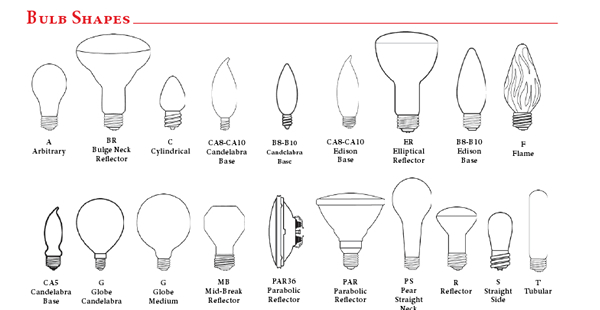
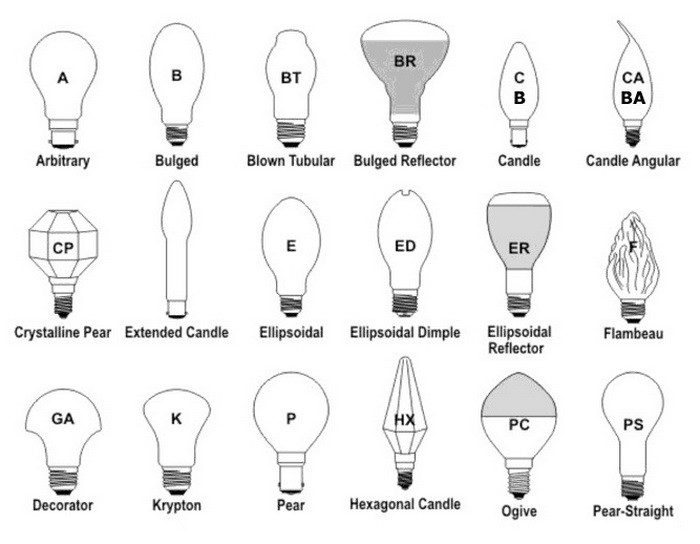
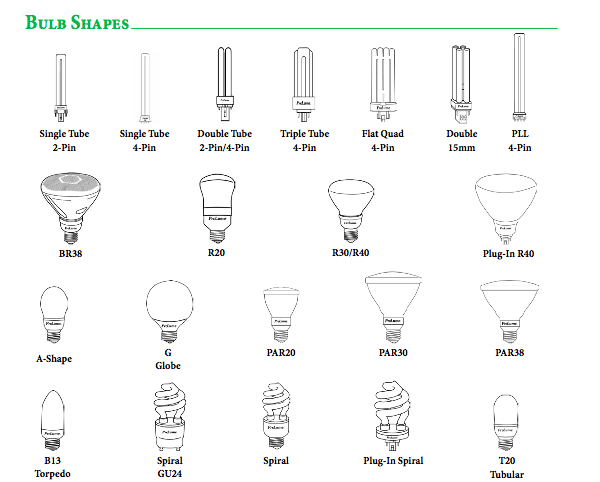
Let's start with the basics: shape. Light bulbs come in more shapes than pastries at a Parisian bakery. And just like pastries, each shape serves a different purpose.
Must Read
The most common is the "A" shape, like the classic A19. Think of it as the vanilla of light bulbs - reliable, all-purpose, and you probably have a few lying around. It’s the standard bulb that fits in most lamps and fixtures.
Then there's the "G" shape, round like a globe. These are often used in decorative fixtures like bathroom vanities or string lights. Imagine them as the cupcake – pretty and adding a touch of elegance.
"C" shaped bulbs are curly and compact, often found in CFLs (we'll get to those later). Think of them as the pretzel – a bit twisty but efficient.
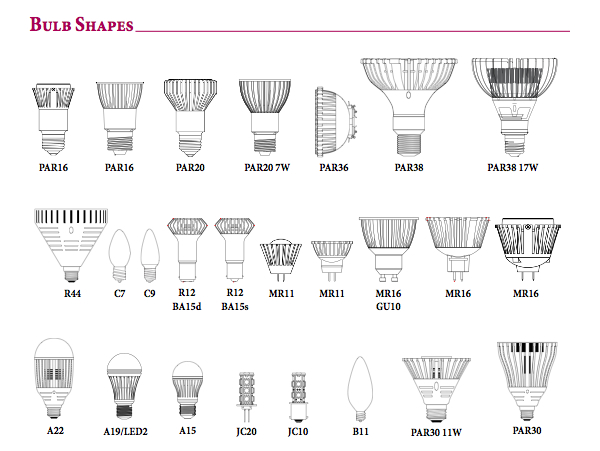
Finally, there are the "T" shaped bulbs, tubular and long. These are commonly used in fluorescent fixtures, like the ones you see in offices or garages. Imagine them as the baguette - long, slender, and providing a lot of light.
Decoding the Letter Soup: Understanding Bulb Types
Now, let's dive into the alphabet soup of bulb types. This is where things can get a little confusing, but don't worry, we'll break it down. The main players are incandescent, halogen, CFL, and LED.
Incandescent bulbs are the old-school classics, the ones your grandparents probably used. They produce light by heating a filament until it glows. Think of them as the analog bulb in a digital world. They're warm and familiar, but also the least energy-efficient, like an old gas-guzzling car.
Halogen bulbs are like incandescent bulbs but with a bit of a boost. They're brighter and last a bit longer, but still not super energy-efficient. Think of them as the slightly upgraded version of the incandescent – a bit better, but still not the best choice for your wallet or the planet.
CFLs (Compact Fluorescent Lamps) are the curly, energy-saving bulbs that became popular in the early 2000s. They use a different technology to produce light, making them much more efficient than incandescent bulbs. Think of them as the hybrid car of the bulb world – better mileage, but not quite as sleek as the electric models.
LEDs (Light Emitting Diodes) are the superstars of the lighting world. They're incredibly energy-efficient, long-lasting, and come in a variety of shapes and colors. Think of them as the Tesla of light bulbs – stylish, efficient, and technologically advanced. They might cost a bit more upfront, but they'll save you money in the long run and are better for the environment.
Reading the Fine Print: Checking the Bulb's Markings
The easiest way to identify your bulb is to look for the markings printed on it. Usually, you'll find information about the bulb type, wattage, and voltage. It's like reading the label on a food product – it tells you everything you need to know.
For example, you might see something like "LED A19 60W Equivalent." This tells you that it's an LED bulb, it's shaped like an A19, and it produces the same amount of light as a 60-watt incandescent bulb. See? Not so scary after all!
If the markings are faded or missing, you can still identify the bulb by its shape and appearance, using the information we covered earlier. Think of it as being a detective, using your observational skills to solve the mystery of the light bulb!
Why Should You Care? (Besides Not Being Blinded)
So, why bother learning all this? Well, aside from avoiding the aforementioned blinding light, understanding your light bulbs can save you money on your energy bill. LEDs, for example, use significantly less energy than incandescent bulbs, which means lower electricity costs. Over time, those savings can really add up!
Plus, using energy-efficient bulbs is better for the environment. It reduces your carbon footprint and helps conserve resources. It's like being a superhero for the planet, one light bulb at a time!
Finally, knowing your bulb types allows you to create the perfect ambiance in your home. Different bulbs produce different colors and intensities of light, allowing you to set the mood for any occasion. Think of it as being a lighting designer, creating a space that's both beautiful and functional.
So, the next time you're faced with a light bulb dilemma, remember this guide. You're now equipped with the knowledge to conquer the lighting aisle and make informed choices. Happy illuminating!