
How To Tell What Size Air Conditioner I Have

Hey there, friend! Ever feel like your AC is either a tiny chihuahua barking at a heatwave or a hulking Great Dane freezing you in July? Figuring out the size of your air conditioner doesn't have to be a mystery. It's easier than assembling that IKEA bookshelf you've been avoiding (we've all been there!). Let's crack this code together!
Why Does AC Size Matter, Anyway?
Think of it like shoes. Too small, and you're squeezing your toes. Too big, and you're tripping all over the place. Same with AC! A unit that's too small won't cool your home effectively, making it work overtime and driving up your energy bill. A unit that's too big will cool the air too quickly, leading to humidity problems and short-cycling (turning on and off rapidly), which is also bad for energy efficiency and can damage the unit over time.
Basically, Goldilocks had it right: you want it just right.
Must Read
The Easiest Way: Check the Label!
This is like finding the treasure map in your own house! Most air conditioners have a sticker or plate on the side (usually outside for central AC units or on the side for window units) that tells you everything you need to know. Prepare to do a little detective work, my friend! You might need a flashlight if it's tucked away in a dark corner.
What are you looking for? The magic words are "BTU" (British Thermal Units). This is the measurement of your AC's cooling capacity. You’ll typically see a number followed by "BTU/hr" or just "BTU". For example, "12,000 BTU" or "12,000 BTU/hr." Think of BTUs as little packets of cooling power!

Okay, so you've found the BTU number! Now what? Well, hold on, because sometimes it's listed in "tons." One ton is equal to 12,000 BTUs. So, if you see "2 tons," that means you have a 24,000 BTU air conditioner. Simple math! (Unless math isn't your thing, then just use a calculator. No judgment here!)
Where to Find That Elusive Label
Okay, here's a little cheat sheet for where to hunt for that magical label:
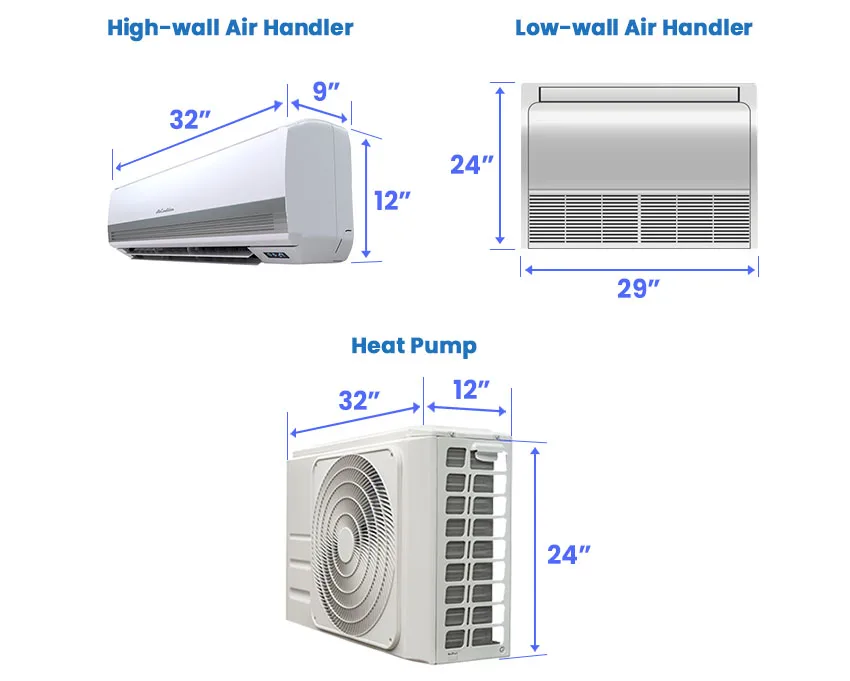
- Central AC: Check the outdoor unit, typically on the side or back.
- Window AC: Look on the side, top, or back of the unit, often behind the filter.
- Portable AC: Usually on the back of the unit.
If you're having trouble finding it, grab your owner's manual (if you can find it... no worries if you can't). The model number listed in the manual can usually be searched online to find the BTU rating.
What If the Label is Missing or Unreadable?
Uh oh. Time for plan B! Don't panic. This happens, especially with older units. Things get faded and worn over time, just like your favorite t-shirt. You're not entirely out of luck. If the information is unreadable, you can try to locate the model number, then use a search engine to discover the BTU's. Just type "model number" and "BTU" into your search bar.
If that fails, and you really need to know the size, calling a qualified HVAC technician is your best bet. They have the tools and expertise to determine the size accurately. Plus, they can give your system a checkup while they're there!
Quick Guide: BTU's and Room Size
While this isn't about calculating the right size AC for a space (that's a whole other ballgame!), here's a very general guideline:
- 100-150 sq ft: 5,000 - 6,000 BTU
- 150-250 sq ft: 6,000 - 8,000 BTU
- 250-300 sq ft: 8,000 - 10,000 BTU
- 300-350 sq ft: 10,000 - 12,000 BTU
Remember, this is just a rough estimate. Factors like ceiling height, insulation, and sun exposure also play a role in determining the correct AC size.
You've Got This!
See? Finding out the size of your air conditioner isn't as daunting as you thought! Whether you found the label right away or had to do a little digging, you're now armed with the knowledge to understand your cooling system better. Go forth and conquer those summer heatwaves, my friend! You are a BTU-deciphering champion! And remember, a happy AC means a happy (and cool!) you!
