
How To Tell Thermostat Is Bad
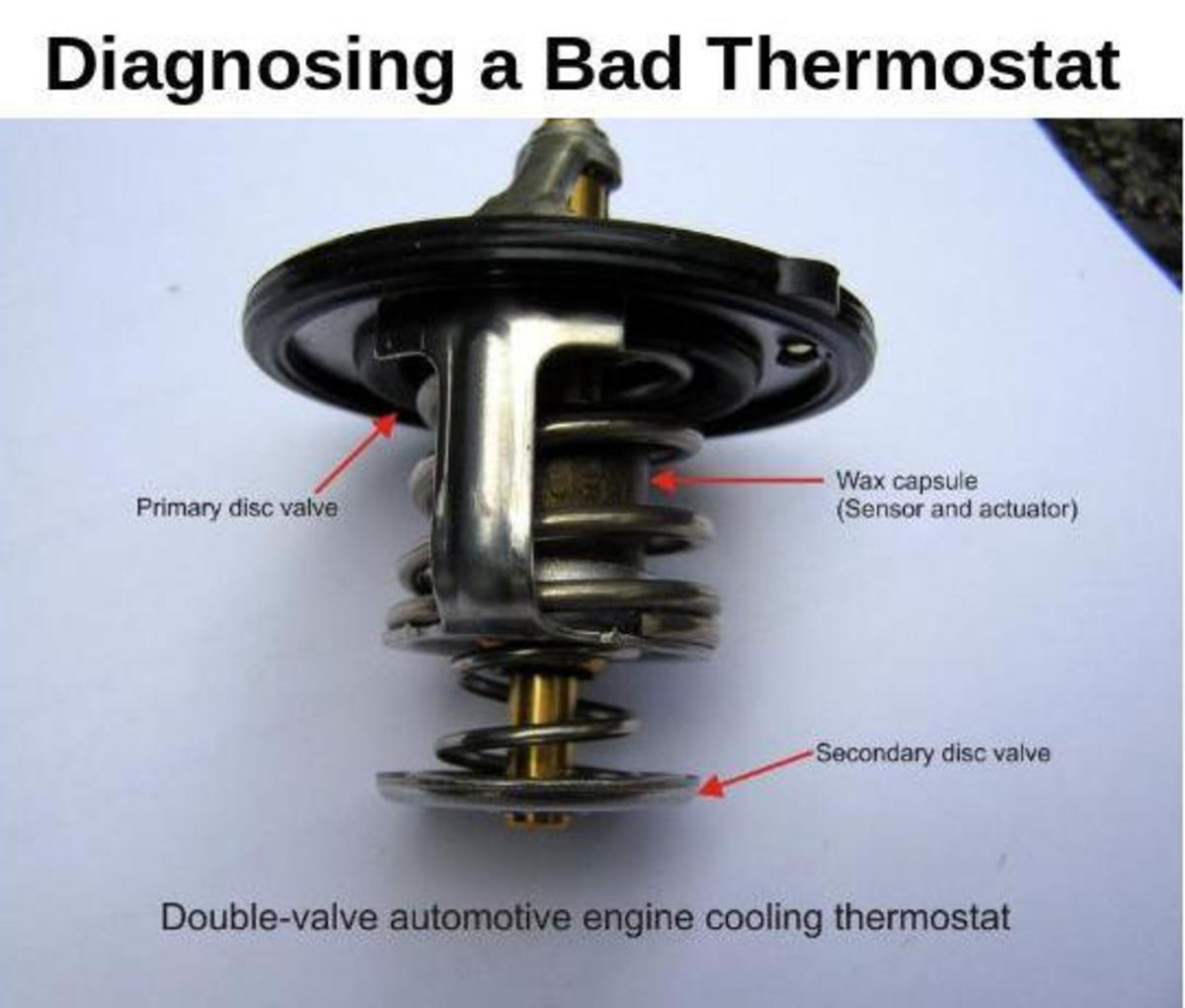
Ever stopped to think about the little box on your wall that basically runs the show when it comes to your home's comfort? Yep, that's your thermostat! It's kind of like the brain of your entire heating and cooling system, making sure everything hums along just right. But what happens when that brain starts acting a little… quirky? How do you even begin to tell if your trusty thermostat is having an off day, or if it's genuinely on the fritz?
It's actually pretty fascinating to uncover these little mysteries. Think of it less like a chore and more like being a super-sleuth in your own home. Pinpointing a bad thermostat isn't just about avoiding a chilly evening or a sweltering afternoon; it's also about saving energy (and money!) and keeping your entire HVAC system from working harder than it needs to. So, let's dive into some tell-tale signs, shall we?
The Temperature Tango: Is It Lying To You?
This is probably one of the most common and frustrating signs. You look at your thermostat, and it confidently declares your living room is a balmy 72 degrees. Yet, you're wrapped in a blanket, shivering, convinced it's closer to 65. Or, maybe you're fanning yourself furiously, and the thermostat insists it's perfectly cool.
Must Read
This discrepancy, where the displayed temperature just doesn't match the actual feel of the room, is a big red flag. It's like having a car speedometer that's always off by 20 mph – not very helpful! Your thermostat relies on internal sensors to read the ambient temperature. If those sensors go wonky, it can't tell your furnace or AC what's really going on, leading to a constant battle between what it thinks is happening and what’s truly happening. Keep an eye out for this kind of "lying" behavior!
The On-Again, Off-Again Show: Short Cycling or Constant Running
Imagine someone constantly flicking a light switch, on, off, on, off, in rapid succession. Annoying, right? That's what your HVAC system might be doing if your thermostat is misbehaving. This is called short cycling. Your furnace or AC kicks on for a very brief period, then shuts off, only to turn back on again a few minutes later. It never seems to complete a full heating or cooling cycle.
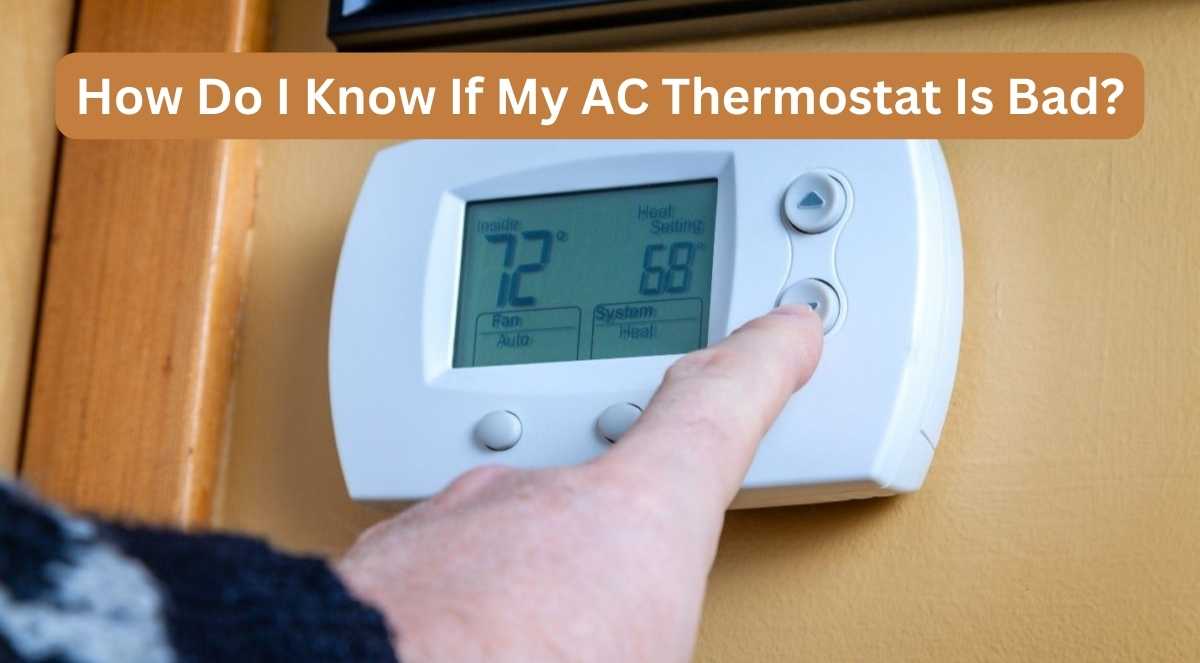
Conversely, sometimes the exact opposite happens: your system just runs constantly, non-stop, without ever reaching the set temperature. It's like a marathon runner who never gets to the finish line. Both short cycling and constant running are huge energy guzzlers and put unnecessary wear and tear on your expensive heating and cooling equipment. A healthy thermostat should allow your system to run for a reasonable duration, achieve the desired temperature, and then rest.
The No-Show: Blank Screen or No Power
Sometimes, the signs are much more dramatic. You walk by your thermostat, and it's just… dark. A blank screen, no display, nothing. It's like your smartphone suddenly decided to take an unscheduled nap.
Before you panic, always check the basics: Are the batteries dead? (Yes, even hardwired thermostats often have backup batteries!) Is a circuit breaker tripped? If those simple fixes don't bring it back to life, then it's a strong indicator that the internal components have failed. A thermostat with no power is, quite literally, powerless to help you.
The Cold Shoulder: Unresponsive to Commands
You stride up to your thermostat, full of purpose, ready to bump the temperature up a few degrees. You press the "up" arrow. Nothing. You press it again, harder this time. Still nothing. You try other buttons, maybe switch modes. It just sits there, staring blankly, completely ignoring your fervent requests. It’s unresponsive, like trying to talk to a statue.
This sign suggests that the internal circuitry or the physical buttons themselves are failing. Even if the screen is on, if it won't respond to your inputs, it's effectively useless. It can't communicate your desires to the HVAC system, leaving you stuck with whatever temperature it decided upon last.
The Zoning Out: Inconsistent Heating or Cooling
While often associated with actual zoning systems (where different parts of your house have different temperature controls), even a single-zone thermostat can exhibit this strange behavior. One room might be an absolute sauna, while another is an icebox, even though your thermostat is set to a comfortable middle ground. It's like having a mood ring for your house, but one that's wildly inaccurate from room to room.
This can point to the thermostat itself not accurately sensing or distributing its commands, or it could be related to miscalibrated sensors sending confused signals. If your house feels like a patchwork quilt of varying temperatures, your thermostat might be a suspect.

The Age Factor: It's Just Old
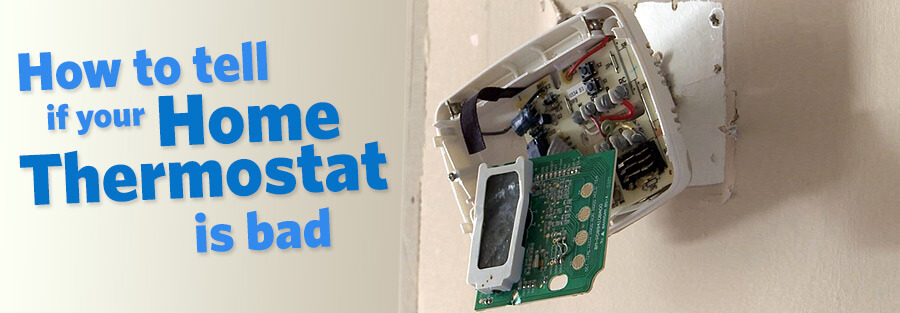
Let's be honest, nothing lasts forever. Just like that ancient flip phone you used to have, thermostats have a lifespan. If your thermostat looks like it belongs in a museum, with yellowed plastic and maybe even a mercury switch (those old-school glass tubes with silver liquid!), it might simply be a victim of age. Components wear out, technology becomes obsolete, and eventually, it just can't keep up with the demands of modern comfort.
Older thermostats are also far less efficient and precise than their modern, smart counterparts. Sometimes, a "bad" thermostat is simply an outdated one that's ready for retirement. Think of it as an opportunity to upgrade to something slicker, smarter, and more energy-efficient!
So, there you have it! Identifying a bad thermostat isn't about being a certified HVAC technician; it's about being observant and understanding the little signals your home sends you. By paying attention to these signs, you can quickly diagnose an issue and get your home's comfort back on track, often before it escalates into a bigger, more costly problem. Happy sleuthing!