
How To Tell If Your Solar Panels Are Working
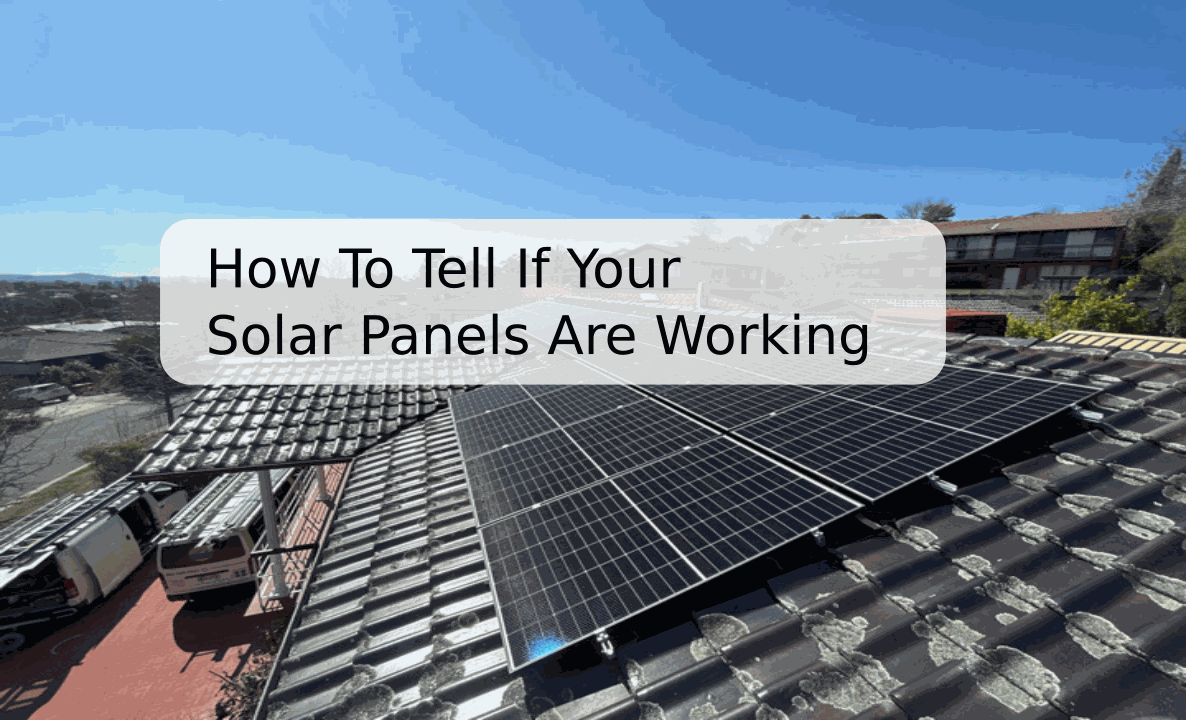
So, you’ve gone solar! High five! You're officially harnessing the power of the sun, like a futuristic sunflower farmer. But how do you know if those sleek panels on your roof are actually pulling their weight? Are they just sunbathing up there, or are they diligently converting rays into sweet, sweet electricity?
The Obvious Checks: Like Checking If Your Toaster Toasts
Let's start with the basics. These are the "did you plug it in?" moments of solar panel ownership. Sometimes, the simplest answer is the right one, even if it feels a little too obvious. Think of it like troubleshooting your toaster. Is it plugged in? Is the bread actually in there? Same logic applies here.
1. The Inverter Display: Your Solar System's Dashboard
Your inverter is the brain of your solar operation. It's usually a box mounted on a wall somewhere, either inside your garage or outside near your electrical panel. The inverter takes the DC electricity your panels make and turns it into AC electricity your house can use. Most modern inverters have a digital display, like a fancy digital watch for your home's energy.
Must Read
What to look for? Is the display lit up? Does it show that it’s producing power? A blinking light usually means something is happening, which is usually good! Many inverters have a production indicator, often measured in kilowatts (kW). If it’s a sunny day and the display reads zero, Houston, we have a problem!
Think of it like your car's speedometer. If you’re flooring it and the needle is stuck on zero, you know something is amiss. Similarly, if the sun is blazing and your inverter's showing no power generation, time for some deeper investigation.
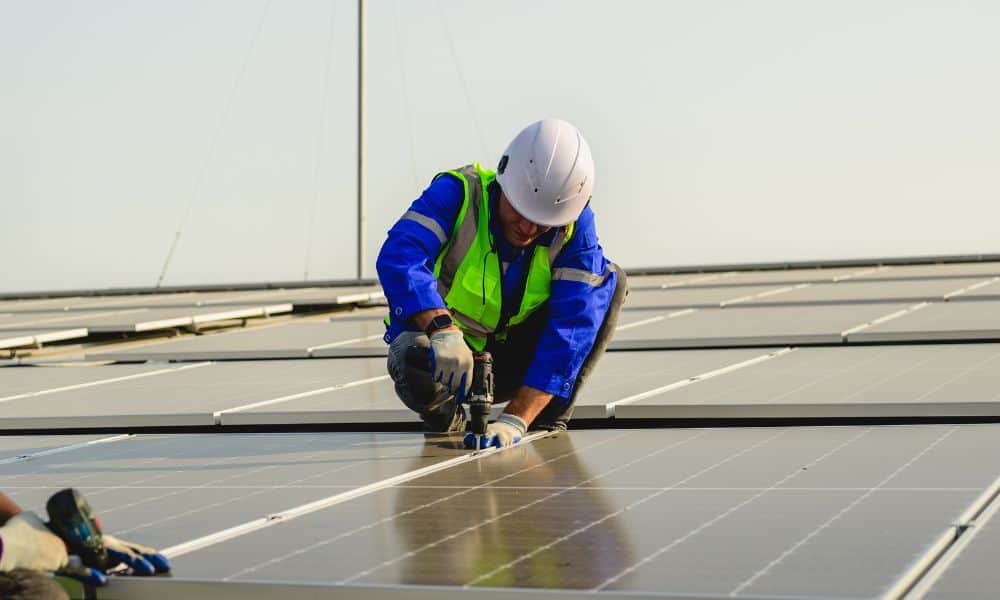
2. Your Utility Meter: The Spinning Disc of Truth (or Lack Thereof)
Ah, the utility meter! This little device is the judge, jury, and executioner of your electricity bill. Now, depending on your system and what time of day it is, you might see it doing different things.
If you have net metering (and most solar owners do), during the day, when your solar panels are producing more electricity than you're using, your meter should be running backwards. Yes, backwards! This is the beautiful sight of you selling excess energy back to the grid, getting paid to be a sun-powered superhero! It's like your electricity company is paying you for a change.
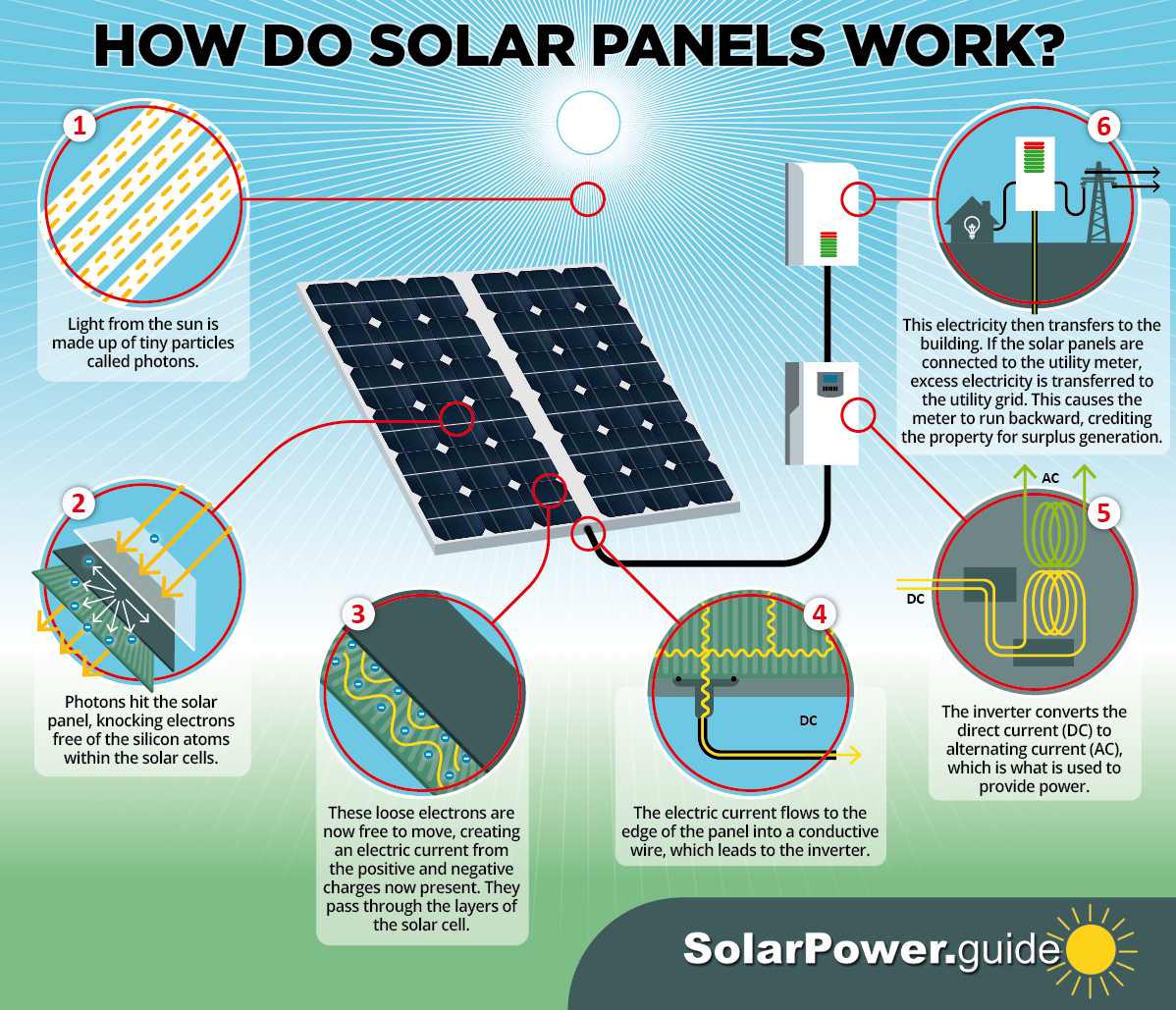
On the other hand, if it’s nighttime, or you’re using more energy than your panels are producing, the meter will run forward, just like before you had solar. If it’s a sunny day and the meter is still chugging forward like a runaway train, even though your inverter says it's pumping out power, something's not right.
The Slightly Less Obvious Checks: Becoming a Solar Sherlock
Okay, so the obvious stuff checks out, but you still suspect something’s amiss. Don’t worry, you don't need to put on a deerstalker hat and start sniffing around. Just a few more checks.
3. Monitor Your System Online (If You Have That Sort of Thing)
Many modern solar systems come with online monitoring. This is like having a personal energy dashboard right at your fingertips! You can see exactly how much energy your system is producing, track its performance over time, and even get alerts if something goes wrong. It's the equivalent of having a Fitbit for your solar panels.

If your system came with monitoring, take advantage of it! If you see sudden drops in production, or if your system isn’t performing as expected, it’s a good indication that something might be wrong.
4. Check for Shading and Debris
Solar panels love sunshine, like a toddler loves ice cream. Anything blocking that sunshine is going to reduce their output. Big trees? Dust accumulation? Bird droppings? (Yes, bird droppings can significantly impact solar panel performance, so keep those panels clean!) All of these things can cast shadows and reduce power generation.
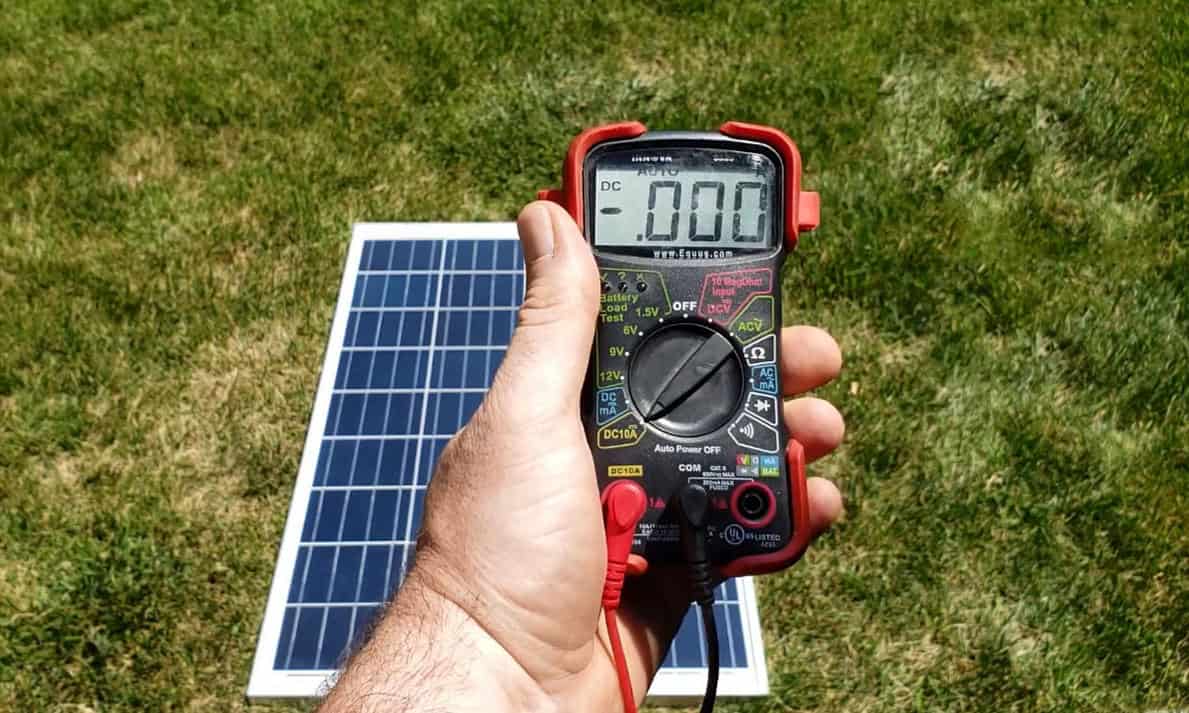
Imagine trying to sunbathe with a giant beach umbrella constantly hovering over you. Not ideal, right? Similarly, even partial shading can significantly reduce your panels' output. Keep your panels clean and trim back any overhanging branches.
5. Compare Current Production to Past Performance
Keep an eye on your system's historical data, if available. If you see a drastic drop-off in production compared to the same time last year (assuming similar weather conditions), it’s a sign that something needs attention. For example, if your panels produced 20 kWh on a sunny day last July, but only 10 kWh this July, it’s time to investigate.
"Knowledge is power!" said Francis Bacon. In the world of solar panels, this couldn't be truer.
If you've checked all these things and you’re still not sure if your solar panels are working correctly, it’s time to call in the professionals. Contact your solar installer or a qualified electrician to inspect your system and diagnose the problem. Don't try to DIY anything unless you're a qualified electrician. Electricity is serious business, and safety always comes first. After all, you want to keep using the power of the sun, not get zapped by it.