
How To Tell If Your House Thermostat Is Bad

Is your house feeling more like a sauna one minute and an icebox the next? Does your thermostat seem to have a mind of its own? Well, buckle up, buttercup, because we're about to dive into the thrilling world of thermostat troubleshooting!
Is It Even On? The Suspense!
First things first: is the darn thing even turned on? No judgment here! We've all been there. Make sure that power switch is flipped to "on," and that it is set to "heat" or "cool."
If you've got a battery-operated model, check those batteries. A dead battery can cause all sorts of thermostat chaos. It is like a tiny rebellion right on your wall.
Must Read
Temperature Tango: Reality vs. Thermostat Reading
Okay, so it's on. But is the temperature on the display even remotely close to what's actually happening in your house? Grab a trusty thermometer and do some detective work.
Place the thermometer near your thermostat for about 15-20 minutes. Then, compare the two readings. If they're wildly different, Houston, we might have a problem.
Maybe your thermostat thinks it's a tropical island when you're freezing your socks off? Time to investigate!
The Wild Ride of Short Cycling
Is your furnace or AC turning on and off more often than a teenager changes outfits? That's called short cycling, and it's a sign something is not quite right.
A faulty thermostat can cause short cycling by sending incorrect signals to your HVAC system. It might be a sensor problem, or the thermostat might simply be miscalibrated.
This is not only annoying but also puts extra wear and tear on your equipment. Imagine your furnace doing the cha-cha when it should be doing the waltz!

The "Nothing's Happening" Blues
On the other hand, maybe your system isn't turning on at all. You've set the thermostat, but nothing happens. Nada. Zilch.
Double-check that the thermostat is actually calling for heat or cool. Crank it up (or down) a few degrees to see if anything kicks in.
If still nothing happens, the thermostat might be failing to communicate with your HVAC system. It's like your thermostat is ghosting on your furnace. Rude!
The Mystery of the Blank Screen
Does your digital thermostat have a blank screen? It is like staring into the abyss. Eerie, right?
This is often a sign of dead batteries (again!) or a more serious power issue. Try replacing the batteries first.
If that doesn't work, check the circuit breaker that controls your HVAC system. A tripped breaker could be cutting off power to your thermostat.
The Click Heard 'Round the House
Many thermostats make a distinct clicking sound when they turn on or off. It is a little satisfying. You know it's doing something!
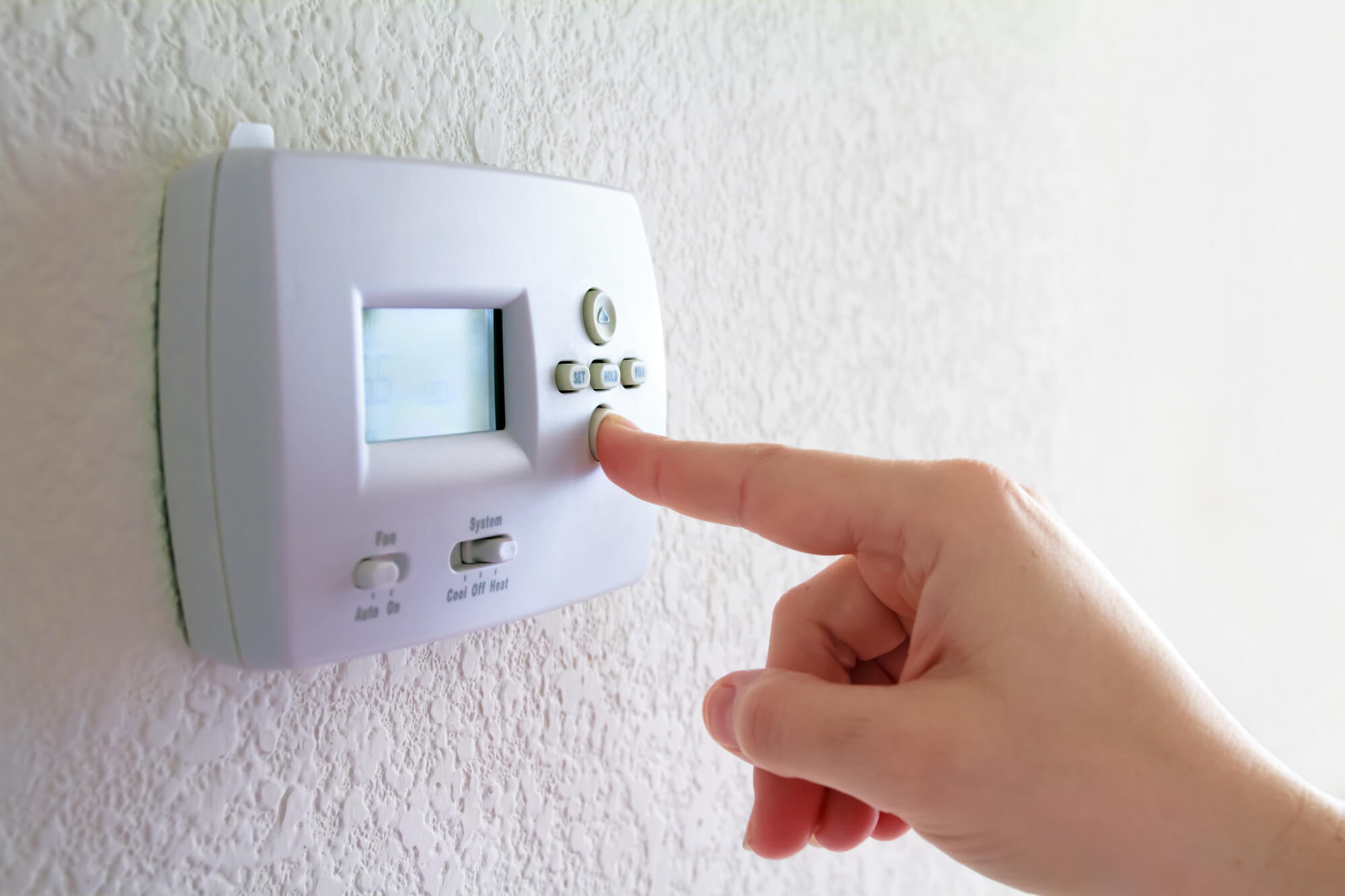
If you no longer hear that click, it could indicate a problem with the thermostat's internal relay. This is the little switch that tells your HVAC system to fire up.
No click means no communication. And no communication means no heat or cool. It is a sad state of affairs.
Wire You Doing This To Me?
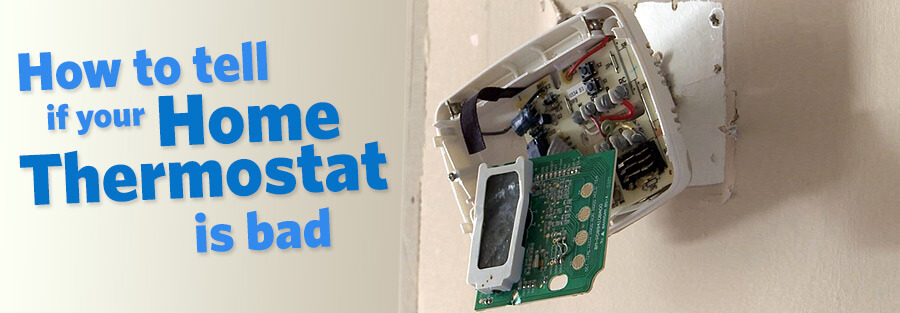
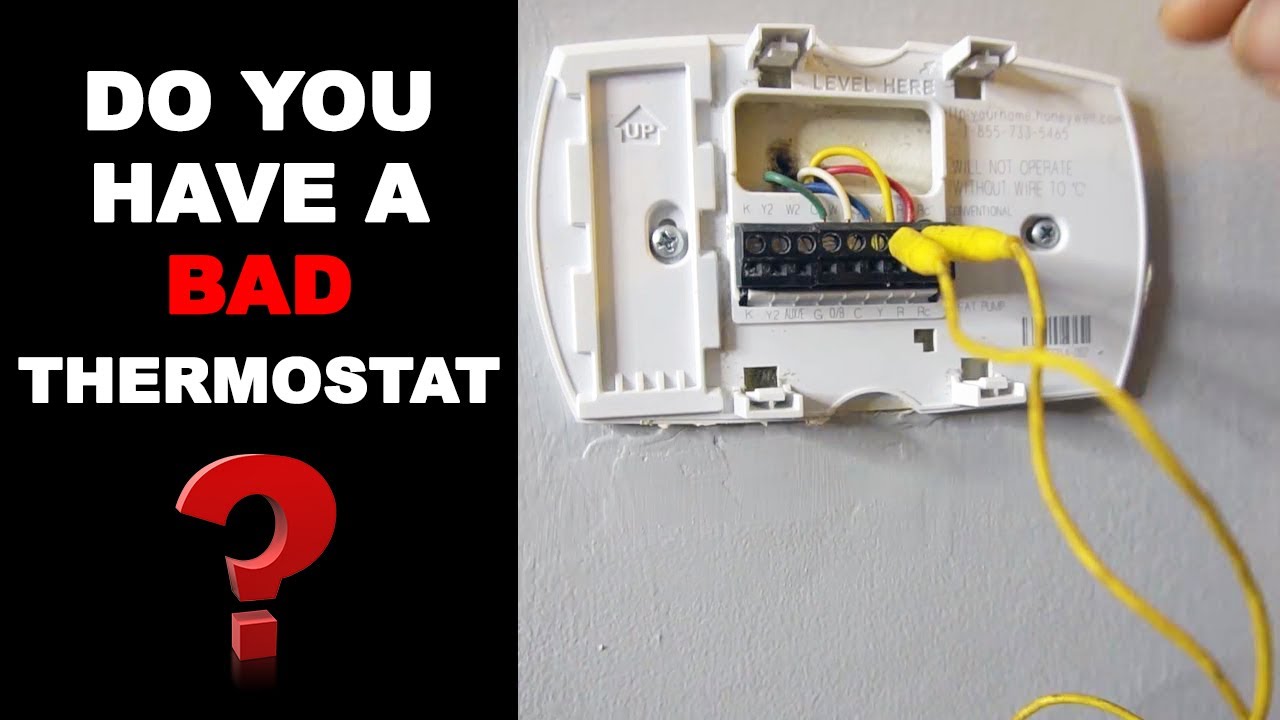
Sometimes, the problem isn't the thermostat itself, but the wiring connected to it. Loose or corroded wires can cause all sorts of issues.
Carefully remove the thermostat from the wall and inspect the wires. Make sure they're securely connected to the terminals.
If you see any corrosion or damage, you might need to clean or replace the wires. (Safety first, turn off the power to your system!)
Location, Location, Location!
Believe it or not, where your thermostat is located can affect its performance. Is it in direct sunlight? Near a drafty window? Or close to a heat source like a lamp?
These conditions can trick your thermostat into thinking the room is warmer or cooler than it actually is. Thus leading to inaccurate readings and inefficient heating or cooling.
Consider moving your thermostat to a more central location, away from drafts and direct sunlight. It needs a little peace and quiet to do its job!
The Reset Button: A Thermostat's Happy Place
Many digital thermostats have a reset button. This is like giving your thermostat a fresh start. A chance to redeem itself.
Consult your thermostat's manual to find the reset button and follow the instructions for resetting it. This can often resolve minor glitches and programming errors.
It's worth a shot before you throw in the towel and call a professional. Think of it as a thermostat spa day!
When to Call in the Pros
If you've tried all these troubleshooting steps and your thermostat is still acting up, it's time to call in the professionals. This is a no shame zone!
A qualified HVAC technician can diagnose the problem and recommend the best course of action. This may involve repairing or replacing your thermostat.
Don't mess with electrical components if you're not comfortable doing so. It's better to be safe than sorry. Let the pros work their magic!
Upgrading Your Thermostat: A Smart Move?
If your thermostat is old or outdated, consider upgrading to a newer, more energy-efficient model. This can save you money on your energy bills and improve your home's comfort.
Smart thermostats offer features like programmable schedules, remote control via your smartphone, and energy usage tracking. They're like tiny robots controlling your climate!
Plus, they look cool. Who doesn't want a sleek, modern thermostat on their wall? Your guests will be impressed!
The Final Verdict
So, there you have it. A guide to figuring out if your thermostat is on the fritz. It's not always a glamorous job. But, hey, at least you're taking control of your climate!
Remember to stay safe, have fun, and don't be afraid to call in the pros if you need help. Good luck, and may your home always be at the perfect temperature!
Happy thermostatting!