
How To Tell If Your Hot Water Heater Is Working

Is your hot water heater playing hide-and-seek with the "hot" part? Fear not, intrepid homeowner! We're about to embark on a thrilling quest to determine if your hot water hero is functioning as it should.
The Obvious Clues: Hot Water's Whereabouts
First, the most straightforward method: turn on a hot water faucet! I know, revolutionary, right?
Let it run for a minute or two. Are you basking in soothing warmth, or shivering in lukewarm disappointment?
Must Read
The Touch Test: A Little Experiment
If the faucet test left you feeling lukewarm (pun intended!), it's time for a bit more investigation. Head to your sink. Turn on the hot water.
Feel the water with your hand. Is it scalding, pleasant, or...meh? If it's anything less than the second option, you may have a problem.
Repeat with other fixtures. Try the shower. If your shower feels like a polar bear plunge, Houston, we have a problem!
The Temperature Gauge Tango
Most modern water heaters have a temperature gauge. This is where you can find the exact number of your hotness.
Find it on your water heater. The magic number is usually around 120-140 degrees Fahrenheit. Too low, and bacteria might get frisky. Too high, and you're risking a scald.
If your gauge reads significantly lower than this, it's a sign your heater isn't reaching optimal temperatures. It's time for further investigation.
The Less Obvious Signs: A Detective's Approach
Sometimes, your water heater isn't completely kaput. It might just be giving you subtle hints that something's amiss.

The Sound of Silence (or Not!)
Water heaters aren't known for being chatty, but unusual noises are a red flag. Banging, rumbling, or hissing sounds emanating from your heater are cause for concern.
These sounds often indicate sediment buildup. This can reduce efficiency and even damage the tank. It's like your water heater is trying to sing you a sad, gravelly song.
The Rusty Revelation
Rusty water is never a good sign, unless you're trying to create an avant-garde art piece. If your hot water has a reddish or brownish tint, your tank might be rusting internally.
This is a major problem. Rust means the tank is deteriorating and could eventually leak. This can also mean it’s time to replace your heater.
The Leak Lowdown
Speaking of leaks, water around the base of your heater is a definite "Houston, we have a big problem!" situation. Even small drips can indicate a serious issue.
Check for leaks around the connections and the tank itself. A leaking water heater is not only wasting water but can cause significant damage to your home.
The Slow and Steady Fade
Does your hot water seem to run out faster than it used to? This could mean sediment buildup is reducing the tank's capacity, or that your heating element is weakening.
Imagine your water heater as a superhero whose powers are slowly fading. He used to be able to handle a whole family's showers, but now he's struggling to fill the tub.

Proactive Plumbing: Keeping Your Water Heater Happy
Now that you're a hot water heater detective, let's talk about preventative measures. After all, a little maintenance can go a long way.
The Annual Flush: A Refreshing Ritual
Flushing your water heater annually removes sediment buildup. This improves efficiency and extends its lifespan. Think of it as giving your heater a spa day!
Consult your owner's manual for specific instructions, or call a professional plumber. Trust me, your water heater will thank you.
The Anode Rod Inspection: A Metallic Savior
The anode rod is a sacrificial metal rod inside your tank. It attracts corrosion, protecting the tank itself.
Have it inspected every few years. If it's corroded, replace it. This is a relatively inexpensive way to extend the life of your water heater.
Insulation Investigation: Keeping the Heat In
Insulating your water heater can improve efficiency, especially in older models. Think of it as giving your heater a cozy blanket.
You can purchase a pre-cut insulation blanket or use fiberglass insulation. Be sure to follow safety precautions and avoid covering the thermostat or burner compartment.
Professional Plumbing Power: When to Call the Experts
While some water heater issues are simple fixes, others require a professional. If you're uncomfortable working with plumbing or electricity, call a licensed plumber.
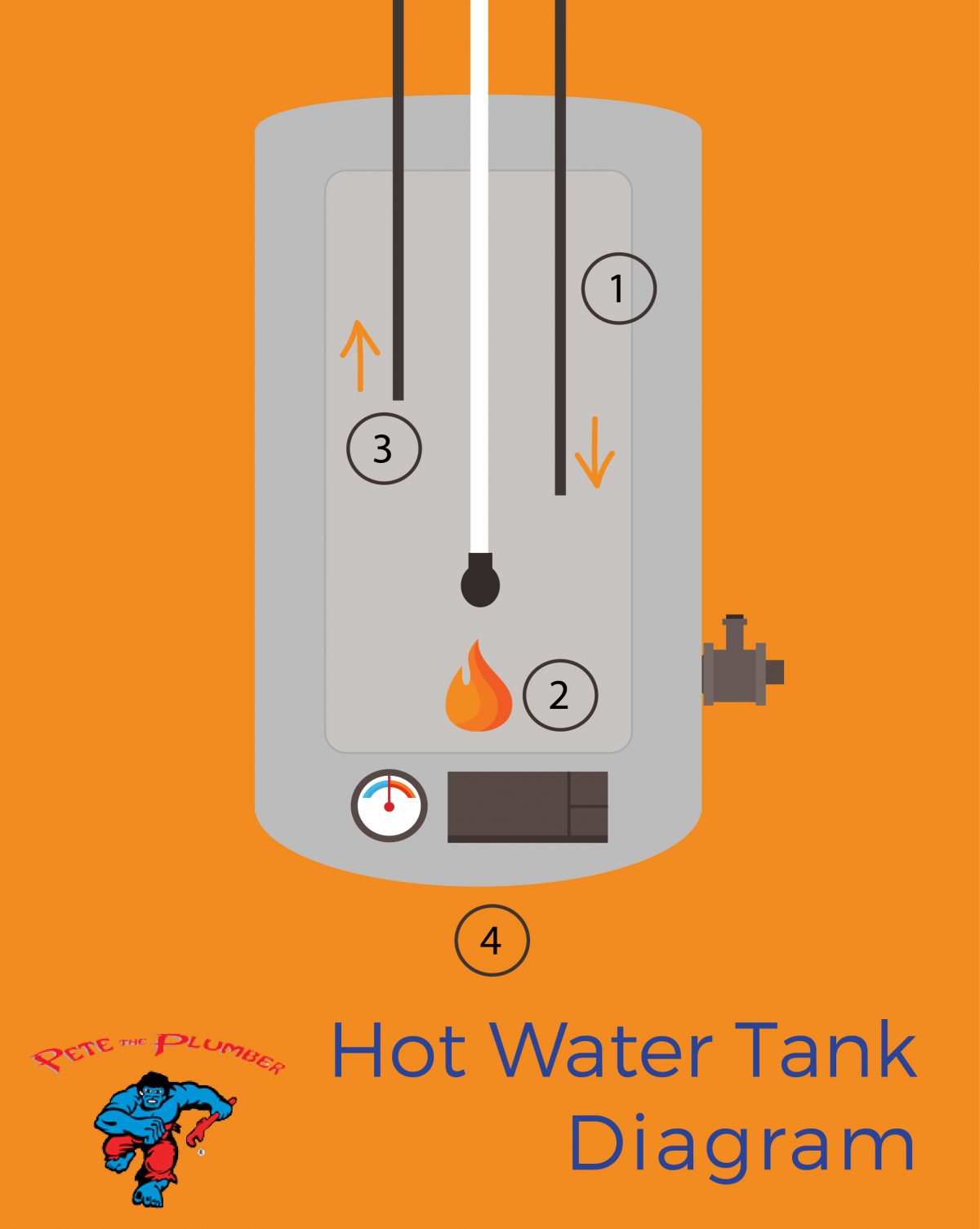
They can diagnose the problem accurately and perform repairs safely. They are the hot water heroes you can call in time of need.
Don't attempt repairs you're not qualified for. It's better to be safe than sorry (and potentially electrocuted!).
Troubleshooting Hot Water Problems: A Quick Guide
Sometimes, the solution is simpler than you think. Here's a quick troubleshooting guide for common hot water problems:
No Hot Water At All?
Check the circuit breaker. Make sure it hasn't tripped. Flip it off and back on.
Check the thermostat. Make sure it's set to the correct temperature. Adjust it if necessary.
If it's a gas water heater, check the pilot light. Make sure it's lit. Follow the manufacturer's instructions for relighting it.
Lukewarm Water?
The thermostat might be set too low. Increase the temperature slightly.
Sediment buildup could be the culprit. Flush the tank.

The heating element might be failing. Have it inspected by a plumber.
Rusty Water?
Flush the tank to remove any loose rust particles. It might solve the problem.
If the problem persists, the tank is likely rusting internally. It's time to replace the water heater.
Noisy Water Heater?
Sediment buildup is the most likely cause. Flush the tank.
If the noise continues after flushing, there may be a more serious issue. Call a plumber.
The Grand Finale: Hot Water Bliss Awaits
Congratulations! You're now equipped with the knowledge to determine if your hot water heater is working properly. Go forth and enjoy those hot showers!
Remember, regular maintenance and prompt repairs can extend the life of your water heater and prevent costly problems down the road. Keep your water heater happy, and it will keep you happy (and warm!).
And if all else fails, remember the wisdom of Benjamin Franklin: "An ounce of prevention is worth a pound of cure." (He probably wasn't talking about water heaters, but the sentiment still applies!)