
How To Tell If Your Dryer Is Gas Or Electric

Okay, so laundry day rolls around again. You've conquered the mountain of dirty clothes (go you!), but a nagging question lingers: Is my dryer a hungry gas beast or an electric humdinger?
Don't worry, you're not alone! Figuring out your dryer's energy source can feel like deciphering ancient runes. But fear not, intrepid laundry warrior, because this guide is here to help!
The Great Dryer Detective Game: Clues Abound!
Time to put on your detective hat and magnifying glass (okay, maybe just your reading glasses). We're going on a hunt for clues to crack this dryer mystery!
Must Read
Clue #1: The Outlet Oasis – A Plug With a Purpose
This is the big one, the smoking gun, the... well, you get the idea. Check the outlet your dryer is plugged into. I mean, REALLY look at it. Pretend it holds the secret to eternal youth!
Is it a regular, run-of-the-mill outlet, like the ones your lamps and phone chargers use? If so, you've likely got an electric dryer. Score one for the electricity team!
But hold on, if you see a much larger, beefier outlet, a real chunky monkey, then you're probably dealing with an electric dryer that requires 220-240 volts. These outlets are specifically designed to handle the high-power demands of certain electric dryers.
Now, if there's no plug at all... things are getting interesting. Move onto the next clue!
Clue #2: The Vent Verdict – To Vent or Not to Vent? That is the Question!
Dryers need to get rid of hot, moist air, and they do this by venting. But the type of vent can be a major clue. Is there a big, shiny hose snaking its way from the back of your dryer to the great outdoors?
:max_bytes(150000):strip_icc()/gas-dryer-vs-electric-dryer-2146251_FINAL-5bbe54b846e0fb00511f28f4.png)
This vent, usually made of metal or foil, is a strong indicator of either electric dryer or a gas dryer. Both types need to expel that hot, humid air.
If you see a vent, don't automatically assume it's either or. Keep digging detective!
Clue #3: The Gas Line Gambit – A Pipe Dream or Reality?
This is where things get a little more... plumber-y. We're talking about the gas line. Carefully peek behind your dryer. (Seriously, be careful! Don't go all Inspector Gadget on us).
Do you see a flexible metal pipe, usually yellow or black, connected to the dryer? This is a gas line, and its presence screams "GAS DRYER!"
Think of it like this: the gas line is the gas dryer's lifeline, delivering the fuel it needs to tumble and dry your clothes to fluffy perfection.
No pipe? Maybe you are going electric after all.
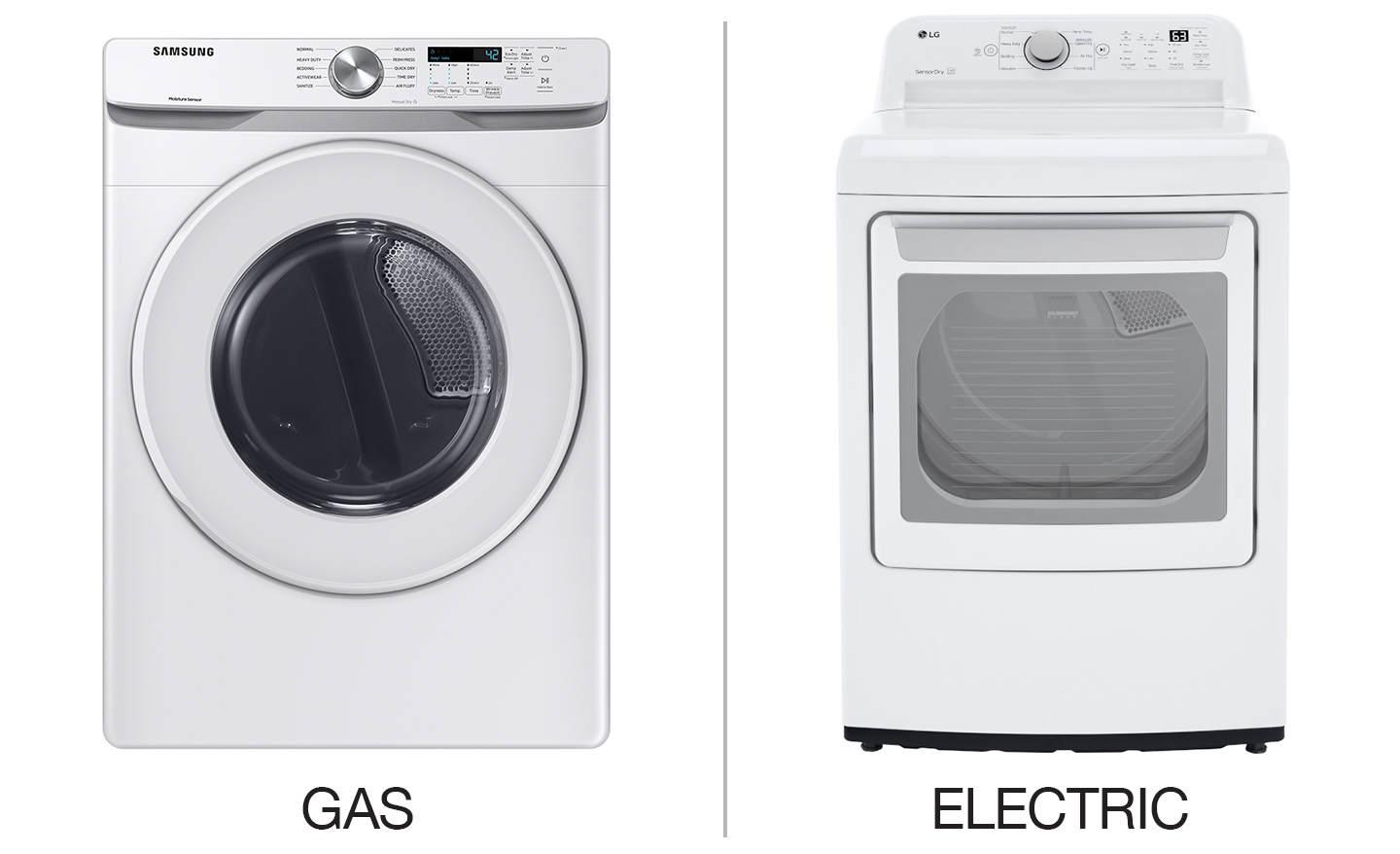
Clue #4: The Model Number Mystery – Decoding the Dryer's DNA
Every dryer has a model number, usually found on a sticker somewhere on the machine. It could be on the back, inside the door, or even underneath.
Once you locate this magical sequence of letters and numbers, Google is your best friend! Type the model number into a search engine, and the specs should tell you if it's gas or electric.
If you have a gas dryer, the description will likely mention BTU (British Thermal Units), which is a measurement of heat output. Electric dryers will usually state their wattage.
Clue #5: The Flame Factor – A Fiery Revelation (For the Brave Only!)
WARNING: Only attempt this if you are comfortable and familiar with using gas appliances! If you're not, skip this step and call a professional! Seriously!
Some gas dryers have a small inspection window. If you cautiously peek inside while the dryer is running (again, CAREFULLY!), you might see a flame flickering to life.

This is, obviously, a dead giveaway that you've got a gas dryer. Electricity doesn't exactly produce flames in a controlled drying environment (unless something has gone horribly wrong!).
If you see flame, congratulations, you are drying with a gas dryer! (And hopefully, you didn't singe your eyebrows in the process).
Clue #6: The "Does It Smell Like Gas?" Gambit
CAUTION: If you strongly suspect a gas leak, DO NOT operate the dryer or any electrical devices. Evacuate the area and call your local gas company or emergency services immediately!
Okay, with that very important disclaimer out of the way... gas dryers can sometimes have a faint odor of gas, especially when they're first turned on. It's not usually overpowering, but it can be noticeable.
If you consistently smell gas when your dryer is running, even a small whiff, that’s a good indicator it’s a gas dryer. Remember safety first! Have it inspected!
Still Stumped? Don't Fret!
So, you've followed all the clues, and you're still not sure if your dryer is a gas guzzler or an electric enthusiast?
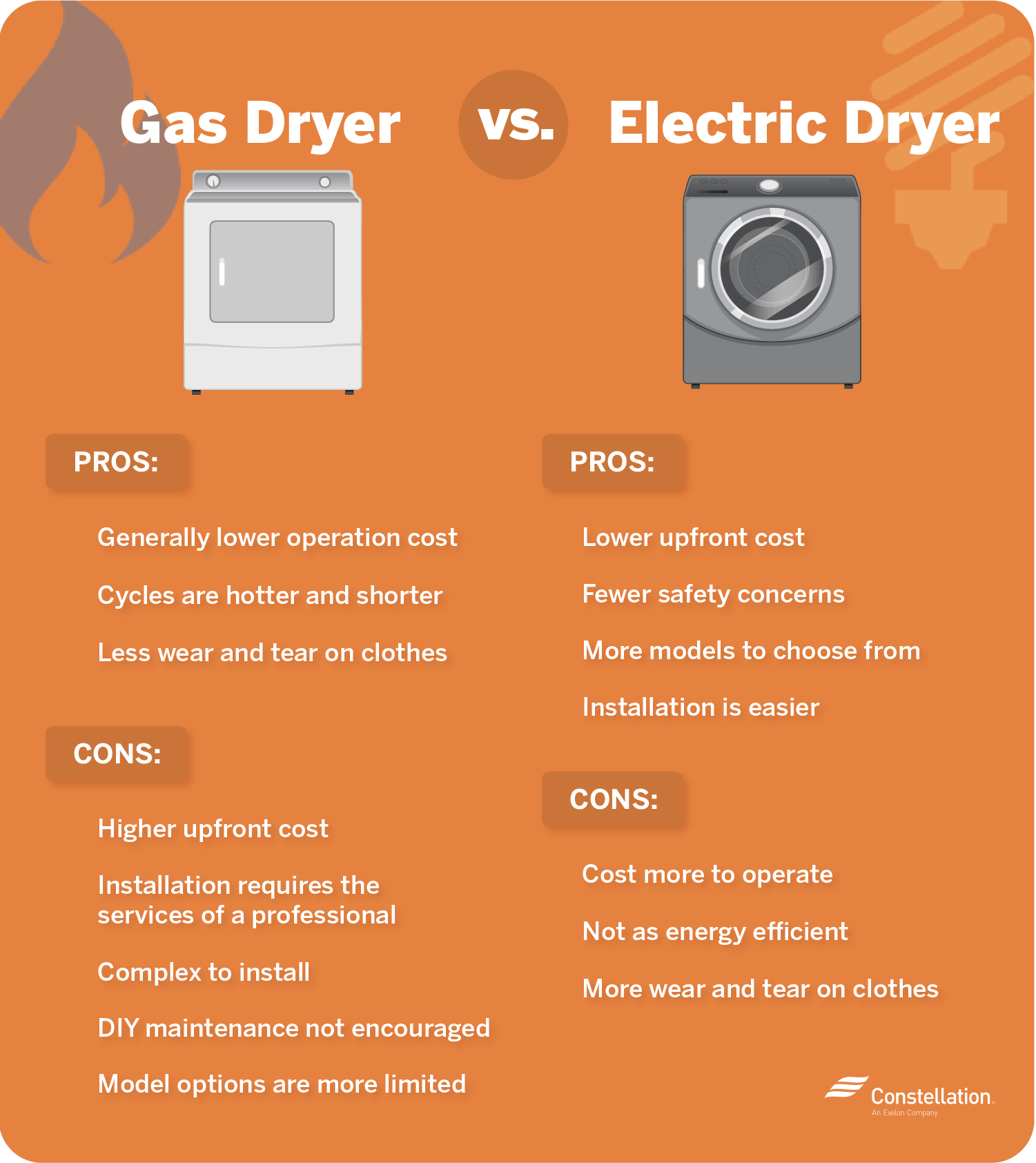
No problem! There are still options available.
Call a qualified appliance repair technician or a licensed plumber. They can quickly and safely identify your dryer's fuel source and give you peace of mind. They have the superpower of dryer-identification!
Another option is to consult your home's inspection report or previous owner. Important information about the appliances should be in there. Dig through old documents!
Congratulations, Dryer Detective!
With a little detective work, you've likely cracked the case of the mysterious dryer! Now you can confidently answer the question: "Is my dryer gas or electric?"
Knowing your dryer type is important for understanding your energy consumption, troubleshooting potential problems, and even replacing it down the road. So give yourself a pat on the back.
You've officially earned your Dryer Detective badge! Now go forth and conquer that laundry pile with newfound knowledge and confidence!