
How To Tell If You Have Gas Leak

Is That a Gas Leak, Or Just Tuesday?
Ever walked into your kitchen and thought, "Huh, what's that smell?" Your nose twitches. Your brow furrows. Suddenly, a cold dread washes over you.
Is it possible? Could it be? Your mind, being the dramatic little thing it is, jumps straight to the most alarming conclusion: a gas leak. Nothing less.
We've all been there. That split second of pure, unadulterated panic. The sudden, primal urge to evacuate the house, the neighborhood, maybe even the entire postal code.
Must Read
But here's my highly subjective, utterly unscientific, and perhaps unpopular opinion. Most of the time, that mystery odor isn't a deadly gas leak. It's usually just... well, life being its wonderfully stinky self.
Let's be real. Our homes are veritable treasure troves of weird odors. They appear out of nowhere, linger with theatrical flair, and then vanish without a trace. It’s like a daily olfactory soap opera.
So, before you grab your emergency whistle, let's play a game. A fun, lighthearted game of "Is It Gas, or Is It Gross?"
The Usual Suspects: When It’s Probably Just Life
First up, the undisputed champion of mystery smells: the forgotten food. Did you cook something truly questionable three days ago and then completely forget about it?
Perhaps there’s a rogue onion that rolled under the fridge, staging its slow, pungent decomposition. Or maybe a piece of fruit decided to stage a dramatic exit from ripeness into full-blown, aromatic decay.
That smell, my friends, can be surprisingly potent. And remarkably similar to certain industrial warnings. It’s a master of disguise, convincing you of imminent danger when it’s just a sad avocado.
Then there’s the fridge itself. The mysterious, untouched container at the very back. You know the one. The opaque tub that probably holds the fossilized remains of last year’s holiday dinner. Don't deny it.
Open it if you dare. The stench that erupts could rival any warning agent. It’s certainly enough to make you consider moving to a desert island, far away from all perishable goods.
Next on our list of deceptive odors: your beloved pet. Your furry friend is cute, but sometimes they leave little "surprises." And those surprises pack a formidable punch.
A cleverly hidden hairball, strategically placed behind the curtains. A secret pee puddle under the sofa cushion. Or perhaps they just had a particularly fragrant moment after eating something they absolutely shouldn't have.
Never underestimate the power of pet-induced aromas. They can travel through walls. They can cling to fabric for days. They can certainly make you think you’re in immediate peril when it’s just Fido being Fido.
What about your laundry basket? Is there a forgotten gym sock in there that’s been marinating for a week, developing its own vibrant ecosystem? Or an entire load of damp towels left to fester?
The smell of stale, mildewy fabric is a unique kind of horror. It's an aroma that screams "neglect!" rather than "explosion!" But your brain, in its panic, might just confuse the two.
Let's venture into the realm of plumbing. The drain in the shower or sink can harbor all sorts of interesting, odor-producing organisms. They love damp, dark places, breeding their pungent empires.
Sometimes they put on a little show for your nose, a little waft of "sewer gas" that can be deeply unsettling. It’s like the earth itself is burping, right there in your bathroom.
But usually, a good flush or some drain cleaner sends those odorous residents packing. No need for emergency services, just a strong stomach and maybe a clothespin for your nose.
Consider the humble trash can. A truly magnificent source of perplexing aromas. When was it last emptied? Are there any questionable food scraps making themselves too at home at the very bottom?
The smell of fermenting garbage is a powerful, undeniable force. It’s a smell that says, "I am here to ruin your day, and possibly your week, with my malodorous presence."

And let's not forget our neighbors. Are they cooking something truly experimental? Something involving a lot of cabbage, perhaps some very old fish, and an alarming amount of garlic?
Sometimes, what you think is a domestic hazard is just Mr. Henderson’s Tuesday night culinary adventure wafting through your open window. Good fences make good neighbors, but good ventilation helps too.
So, when you detect that strange aroma, take a deep breath. (Maybe not too deep if it’s genuinely appalling). And then, begin your detective work with a calm, discerning nose.
Do a quick sweep of the usual suspects. Check the fridge. Sniff the laundry basket. Peer under the couch. Open a window for a moment of crucial fresh air to reset your senses.
Often, the true mystery odor source will reveal itself. And you'll either have a good laugh at your own overactive imagination, or, you know, a good gag at the forgotten container of yogurt.
Okay, But What About the Actual Gas Leak?
Now, let's talk about the actual signs of a real gas leak. Because sometimes, my endearing unpopular opinion actually is unpopular because it's genuinely wrong, and it’s important to know the difference.
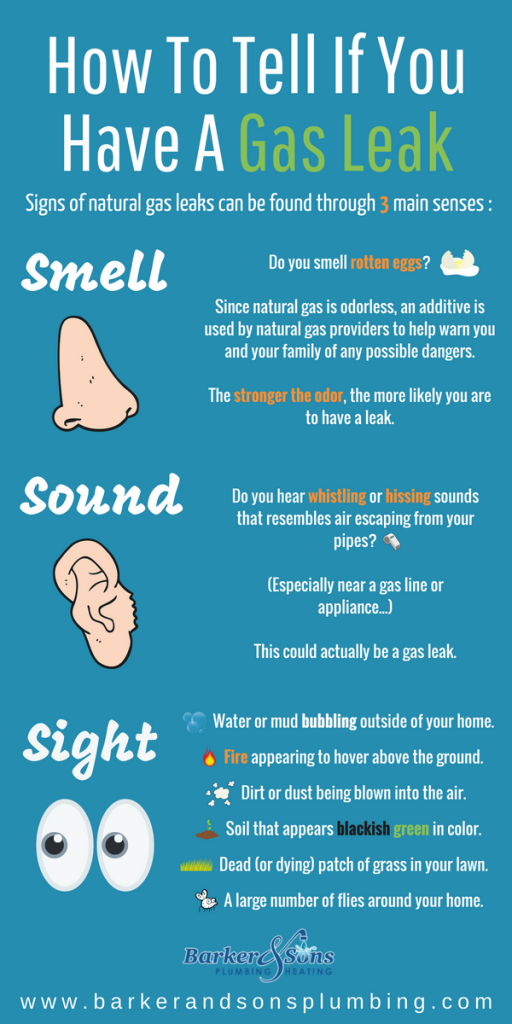
Natural gas, in its pure, raw form, is completely odorless. It’s quite sneaky that way. But utility companies are smart. They add a distinct smell. It’s called mercaptan. And it smells exactly like rotten eggs.
Not just any rotten eggs. We’re talking about the kind of rotten eggs that make you question all your life choices. The kind of rotten eggs that slaps you in the face with its sheer sulfuric intensity.
If you smell that intense, sulfurous, undeniable rotten egg stench, and it's not from your forgotten science experiment in the back of the fridge, pay serious attention. This is not a drill.

Another tell-tale sign? A persistent hissing sound. Like air escaping a tire, but emanating from behind your stove, water heater, or gas meter. That's not normal. Hissing things are rarely good things in a home.
You might even see a visible cloud of dust or a strange mist near a gas line. Or perhaps, if the line runs underground, bubbles in a puddle of water. These are physical manifestations of the danger.
These are the genuine, "drop everything and get out, right now" signals. These are the moments when you don't play "Is It Gas, or Is It Gross?" because the stakes are suddenly very real.
These are the moments for
immediate, decisive action.Get everyone, including pets, out of the house. Don't turn lights on or off. Don't use cell phones or anything electrical inside.
Once you are at a safe distance, away from the potential hazard, call your gas company's emergency line or 911. Let the professionals handle the serious stuff. They're trained for it, and they have the right equipment (and very good noses).
The Final Sniff Test
But for the everyday, "what in the world is that smell?" moment? Take a breath. Take a tour. Do a little sniff test detective work. Engage your inner Sherlock Holmes.
More often than not, you'll uncover a forgotten snack, a pet’s secret, or a very stinky sock. And that, my friends, is a far more entertaining and less stressful conclusion.
So, next time your nose goes on high alert, remember my highly scientific, totally unverified advice. It's probably just life being a little stinky, not an impending catastrophe.
And if it really is gas? Well, then you’ll know. Because that particular rotten egg smell is truly unmistakable. It won't be from your neighbor's experimental casserole this time.
Embrace the mystery. Confront the odor. But always, always keep a sense of humor. Even when dealing with the possibility of explosive gases, because laughter is the best medicine (after calling 911, of course).
Because let's face it, our homes are just glorified smell factories sometimes. And most of the time, the biggest danger is simply an affront to your delicate olfactory senses, not your personal safety.
So, go forth and sniff. But remember, a true gas leak has a specific, aggressive odor. The kind that doesn't make you wonder, but makes you move without a second thought.
Happy sniffing, everyone! And may your home always smell of fresh cookies, not phantom rotten eggs or forgotten gym shoes.
Unless, of course, you're actually baking with rotten eggs. Which, admittedly, is an entirely different problem. One that no gas company can solve. Only a very different recipe book and maybe a strong air freshener.
Keep those noses keen, but keep that panic button holstered. Most domestic odors are more amusing than genuinely alarming. They're just part of the rich tapestry of home life.
And remember, a little mystery keeps life interesting. Just not a potentially explosive mystery. Those are significantly less fun and require a swift, professional resolution.
So, go enjoy the quirky aromas of your everyday existence. But if it truly, truly smells like a science experiment gone terribly wrong and a chemical plant exploded, you know what to do.
Call the pros. After you've bravely, yet comically, ruled out the cat, the fridge, and your own questionable meal choices. You've got this, fearless home aroma detective!