
How To Tell If You Have Carbon Monoxide Leak
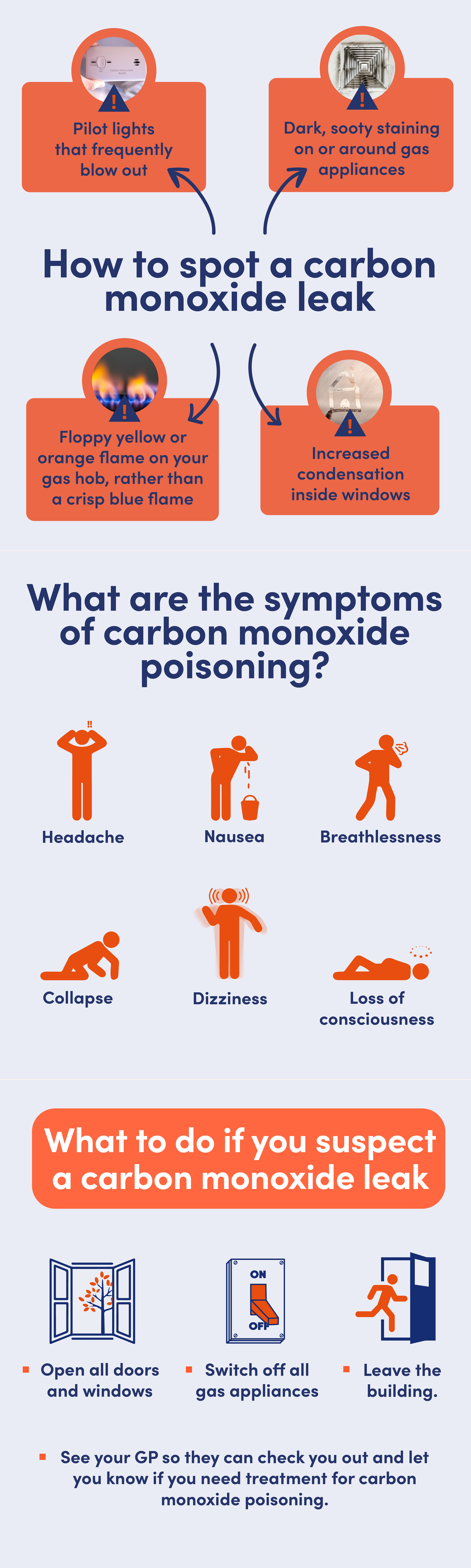
Hey friend! Ever wondered if that slightly off feeling you've been having might be something more than just a case of the Mondays? What if I told you it could be a silent, invisible houseguest called carbon monoxide? Yeah, I know, sounds dramatic, but trust me, it's better to be safe than sorry (and, you know, not breathing).
So, how do you know if this sneaky intruder has decided to crash at your place? Well, let's dive into the not-so-glamorous world of carbon monoxide leaks and what to look out for. Think of me as your personal CO detective – minus the trench coat and magnifying glass (unless you're into that sort of thing, no judgment!).
The Sneaky Symptoms: What to Watch Out For
Carbon monoxide (CO) is a real master of disguise. It's odorless, colorless, and tasteless – basically, the ninja of gases. That's why it's so important to be aware of the symptoms it can cause. Now, before you start diagnosing yourself with every illness under the sun, remember that these symptoms can also mimic other things, like the flu or a bad hangover. But if you experience them, especially during the heating season or when using gas appliances, it's time to raise a red flag.
Must Read
Here are some common signs of CO poisoning:
- Headaches: We're not talking about your run-of-the-mill "I need coffee" headache. Think more like a persistent, throbbing pain that just won't quit.
- Dizziness: Feeling lightheaded or unsteady? Like you've spent too long on a merry-go-round? That could be a clue.
- Nausea and Vomiting: Your stomach doing somersaults for no apparent reason? Yeah, CO could be the culprit.
- Fatigue: Feeling unusually tired and weak, even after a full night's sleep? That's not just Monday, that's a possible warning sign.
- Confusion: Having trouble concentrating or remembering things? Feeling generally "out of it?" CO can mess with your brainpower.
- Blurry Vision: Seeing double or things looking a little fuzzy? Time to investigate!
- Shortness of Breath: Feeling like you can't quite catch your breath, even when you're just chilling on the couch? This is a serious symptom.
Important Note: If you suspect CO poisoning, especially if multiple people in your household are experiencing these symptoms, get everyone out of the house immediately and call emergency services. Don't try to find the source of the leak yourself – that's a job for the pros!

Where Does This Nasty Stuff Come From?
CO is produced by the incomplete burning of fuels like natural gas, propane, oil, wood, and kerosene. So, anything that uses these fuels could potentially be a source of a leak. Here are some common culprits:
- Furnaces: Especially older or poorly maintained ones. Treat your furnace like you treat yourself, with regular check ups.
- Water Heaters: Another appliance that needs regular maintenance. Don't let it become a hot water and CO hazard.
- Fireplaces: Make sure your chimney is properly ventilated and cleaned regularly. Nobody wants a smoky surprise.
- Gas Stoves and Ovens: While they're great for cooking, they can also be a source of CO if not properly maintained.
- Generators: Never, ever run a generator indoors or in an enclosed space like a garage. This is a major source of CO poisoning. Seriously, don't do it.
- Cars: Running a car in a closed garage is another big no-no. Even a short amount of time can be deadly.
The Ultimate Weapon: The CO Detector!
Okay, so now you're armed with the knowledge of symptoms and sources. But the best way to protect yourself from carbon monoxide poisoning is to install CO detectors in your home. Think of them as your 24/7 CO-fighting superheroes!
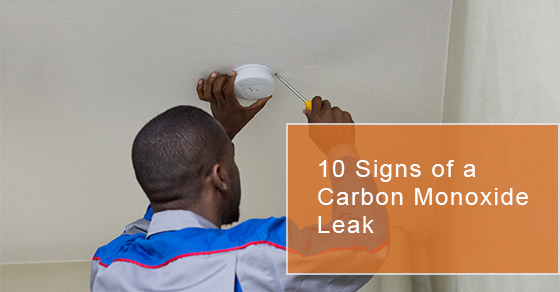
Here are a few tips for using CO detectors:
- Install them on every level of your home, especially near sleeping areas. You want to hear that alarm even when you're catching Zzz's.
- Test them regularly. Most detectors have a test button. Press it! It's like giving your superhero a pep talk.
- Replace them every five to seven years. Even superheroes need to retire eventually.
- Know the sound of the alarm. Don't mistake it for your smoke detector! A CO alarm usually has a different pattern.
If your CO detector goes off, get everyone out of the house immediately and call the fire department or emergency services. Don't try to be a hero – leave it to the professionals!

So there you have it! A crash course in carbon monoxide safety. It might seem a little scary, but with a little knowledge and a few precautions, you can keep your home safe and sound. Remember to stay vigilant, listen to your body, and trust your gut. And most importantly, don't forget to install those CO detectors! They're worth their weight in gold (or, you know, oxygen).
Now go forth and conquer your day, knowing you're a little bit wiser and a lot safer! And if you ever feel that "off" feeling again, remember this conversation. You got this!
