
How To Tell If Water Heater Is Gas Or Electric
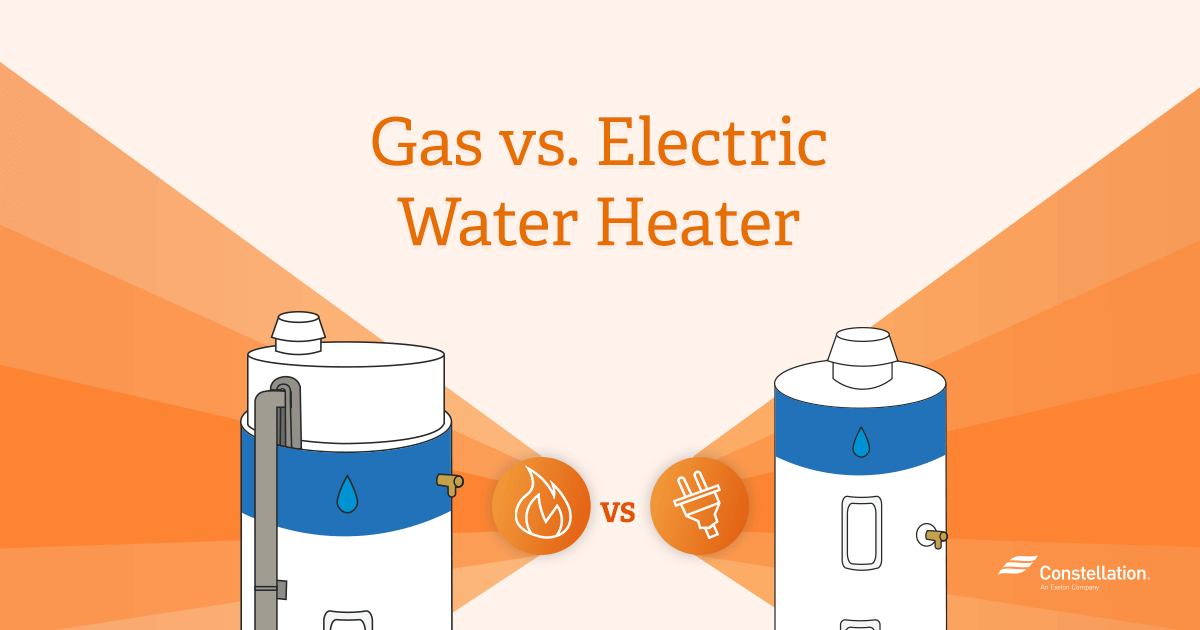
Okay, folks, let's talk water heaters. Exciting, right? I know, I know. But trust me, figuring out if your water heater is gas or electric is way more crucial than remembering your anniversary... probably. (Don't quote me on that).
First, the unpopular opinion: water heaters are boring. But necessary. Like taxes, or that weird uncle who always wears socks with sandals.
The Obvious Route (Which We'll Totally Question Later)
The first step is usually the easiest. Look for a label! Seriously. Manufacturers usually slap a sticker somewhere on the side that proudly proclaims, "I am a GAS water heater!" or, "Behold! An ELECTRIC marvel!"
Must Read
But... labels lie. Or, more accurately, they fall off, get covered in dust bunnies, or are simply ignored by the previous homeowner who thought painting the entire unit sunshine yellow was a better use of their time.
So, let's assume the label is missing, because, let's be honest, it probably is.

The Pilot Light Clue (Gas Only, Obviously)
If you see a little viewing window near the bottom of the unit, you might be in gas territory. Peer inside. Do you see a tiny, flickering flame? That's your pilot light! It's like a miniature campfire keeping things warm. If you do see a pilot light, congratulations! You probably have a gas water heater.
If you don't see a pilot light, don't automatically assume it's electric. The pilot light could be out. Maybe it's taking a vacation. Or maybe, just maybe, you have a super-fancy gas water heater with electronic ignition. Those are rare, but they exist! (Like finding a matching pair of socks in the laundry. A true miracle.)
The Wire Detective (Electric Avenue!)
Now, for the electric folks. Take a look at the top of the unit. See any thick wires going into it? We're talking thick, like garden hose thick. Those are likely carrying a hefty amount of electricity. Gas water heaters don't need those gigantic wires. They prefer pipes, which we'll get to.
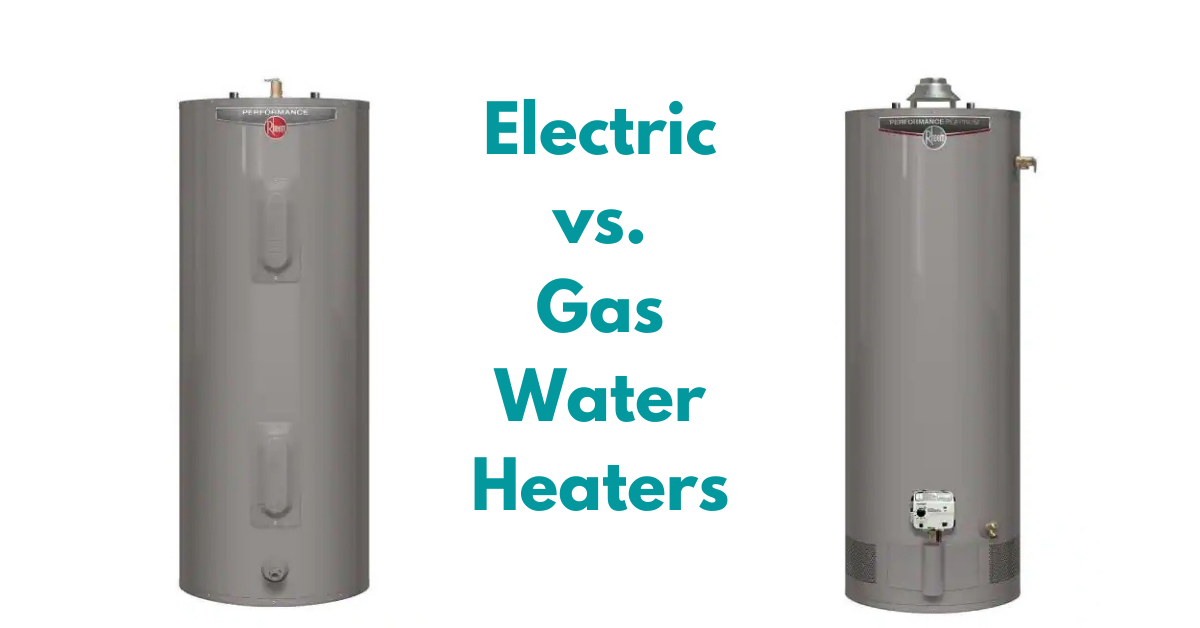
But here's the catch: some modern gas water heaters do have wires! Smaller ones, usually, for the electronic ignition and controls. So, wires alone aren't a foolproof sign. Just when you thought you had it figured out, right?
The Pipe Dream (Gas Line Giveaway)
Okay, pipes. Gas water heaters need a gas line. Look for a rigid, usually black or yellow, pipe connected to the unit. It might have a valve on it. This pipe is bringing the gas to the heater for combustion. Electric water heaters, thankfully, don't need gas lines. They get their energy straight from the grid, like little energy vampires.
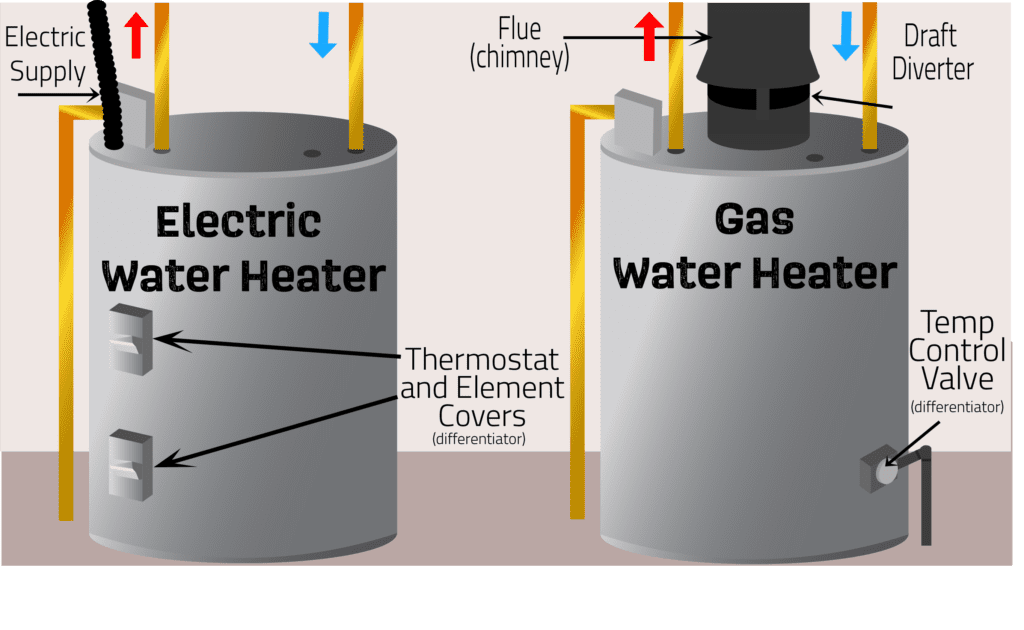
However (there's always a however, isn't there?), some electric water heaters might have small pipes for water inlet and outlet. Don't confuse these with a gas line! Water pipes are usually copper or PVC and are far more common than you think.
The Sound of Silence (Or Not)
This is where it gets a little subjective. Turn on the hot water. Stand near the water heater. Do you hear a faint whooshing sound? That could be the sound of gas burning. Electric water heaters tend to be quieter, maybe just a hum.
But! (Again!) My hearing isn't what it used to be. And your water heater might be old and grumpy, making all sorts of noises regardless of its energy source. So, take this one with a grain of salt (or a whole margarita, depending on how frustrating this is getting).
The Bill Knows Best (Follow the Money)
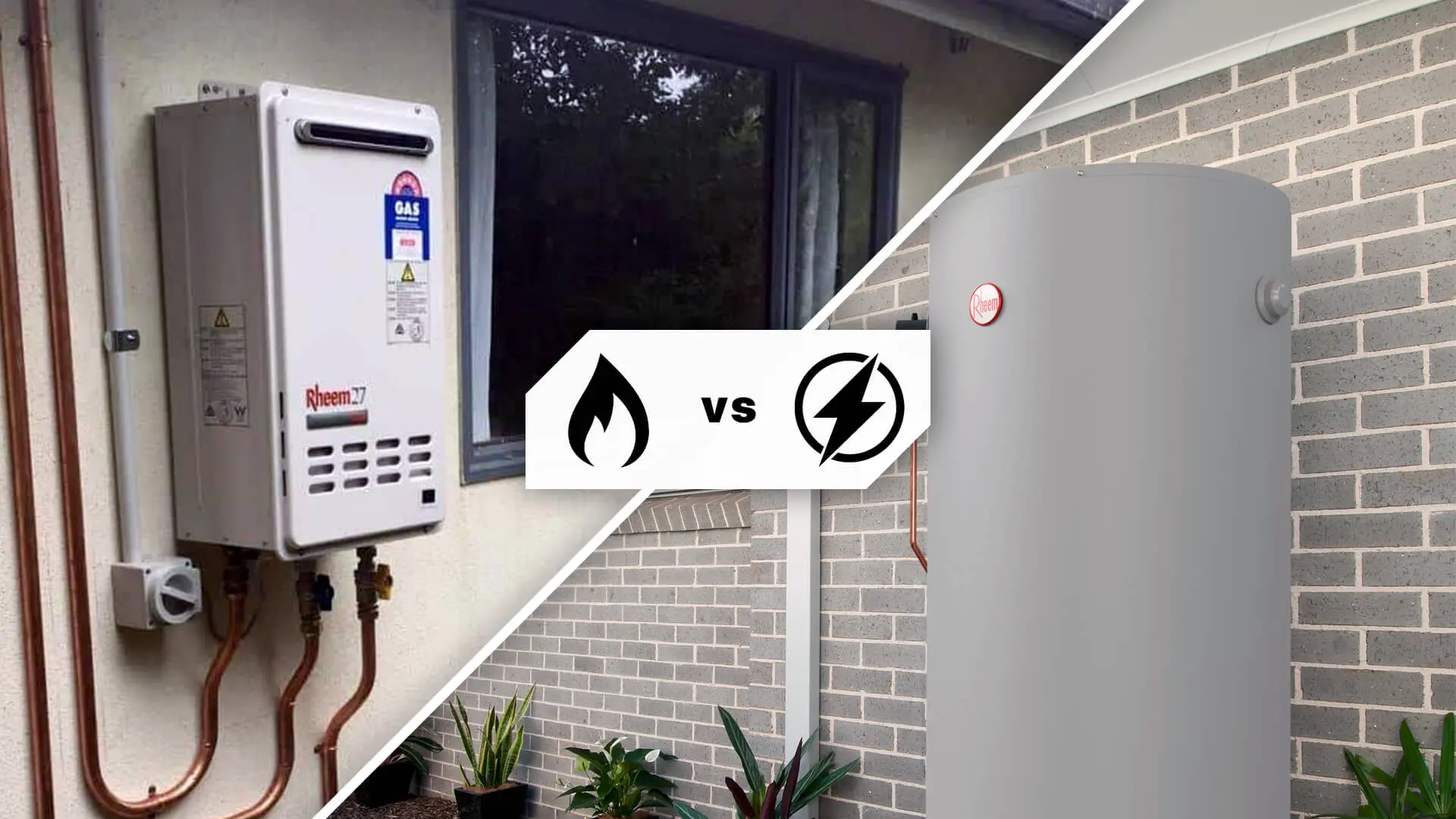
Still stumped? Here's my unpopular opinion (again!): Check your utility bills! If you have a gas bill and an electric bill, and your gas bill seems suspiciously low, it might be because your water heater is electric. Conversely, if you only have an electric bill, chances are your water heater is electric too. Unless you're living off the grid, in which case, congratulations! You've probably already solved this problem with solar power and a rainwater collection system.
In conclusion, figuring out your water heater's energy source is a bit like detective work. It requires observation, a little bit of luck, and maybe a good stiff drink. But hey, at least you're learning something new. And who knows, maybe you'll impress your friends at the next party with your newfound water heater knowledge. (Probably not, but a guy can dream, right?)
If all else fails, call a professional. Seriously. They get paid to deal with this stuff. And they probably have better jokes than I do. Probably.