
How To Tell If Water Heater Is Electric Or Gas
Alright, friend, let's talk water heaters. Exciting, right? Okay, maybe not as thrilling as a rollercoaster, but knowing how to tell if yours is electric or gas is surprisingly useful! Imagine impressing your friends with this knowledge at your next dinner party! (Okay, maybe not, but I'd be impressed!)
The Obvious Suspect: The Power Source
This is usually the first and easiest clue. Ask yourself: Does your water heater have a cord plugged into an electrical outlet, or does it have a pipe connected to a gas line? Think Sherlock Holmes, but for plumbing! Elementary, my dear homeowner!
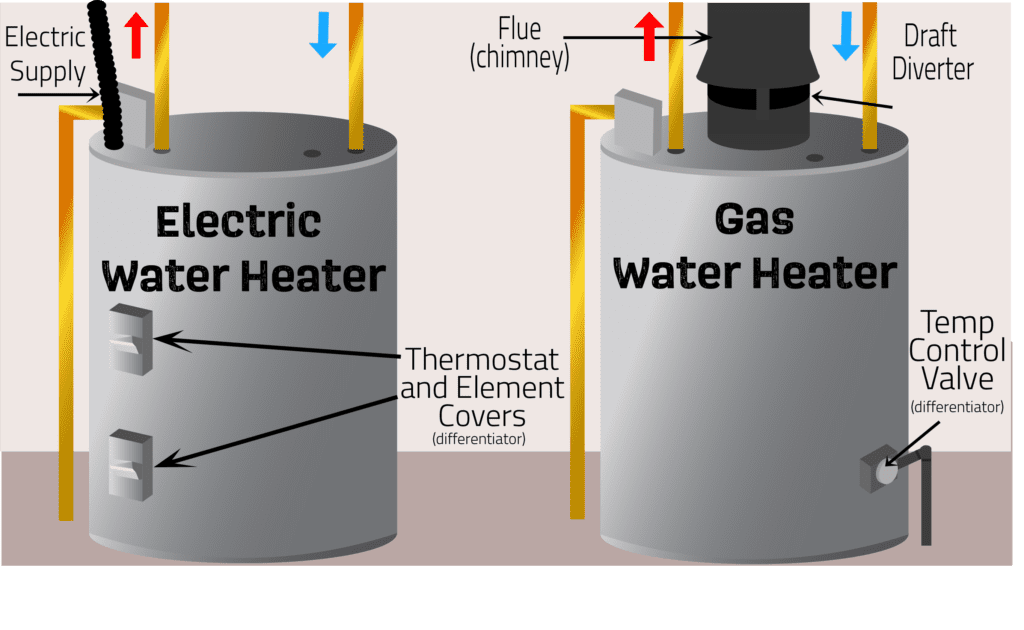
Electric Water Heaters: Usually have a big, obvious electrical cord snaking towards an outlet. If you see that, bingo! You've likely got an electric model. Think of it like a giant electric kettle, keeping your bath water nice and toasty.
Must Read
Gas Water Heaters: These will have a metal pipe connected to the heater, which feeds it natural gas or propane. This pipe is usually black or yellow (check your local codes, though!). No outlet in sight? Gas is the likely culprit. And hey, if you smell gas, don't read this article – call your gas company immediately! Safety first, folks!
Look for the Label, Sherlock
If you're not seeing an obvious cord or gas pipe, don't fret! Time for some detective work! Most water heaters have a manufacturer's label plastered somewhere on the tank. It's usually near the top or on the side. Channel your inner inspector and start searching!
What to Look For: Once you find the label, start scanning for keywords. If it says "Electric," "Volts," or mentions wattage (like "4500 Watts"), you've got an electric heater. If it says "Gas," "Natural Gas," "Propane," "BTU," or "Therm," that's your gas guzzler! (In a good way... a water-heating way!).
Sometimes the label is faded or missing. Don't give up! We've got more tricks up our sleeves!
The Venting System: Smoke Signals of Hot Water
Gas water heaters need to vent exhaust fumes (carbon monoxide, eek!) safely outside. Electric heaters, bless their efficient little hearts, don't produce exhaust, so they don't need venting.
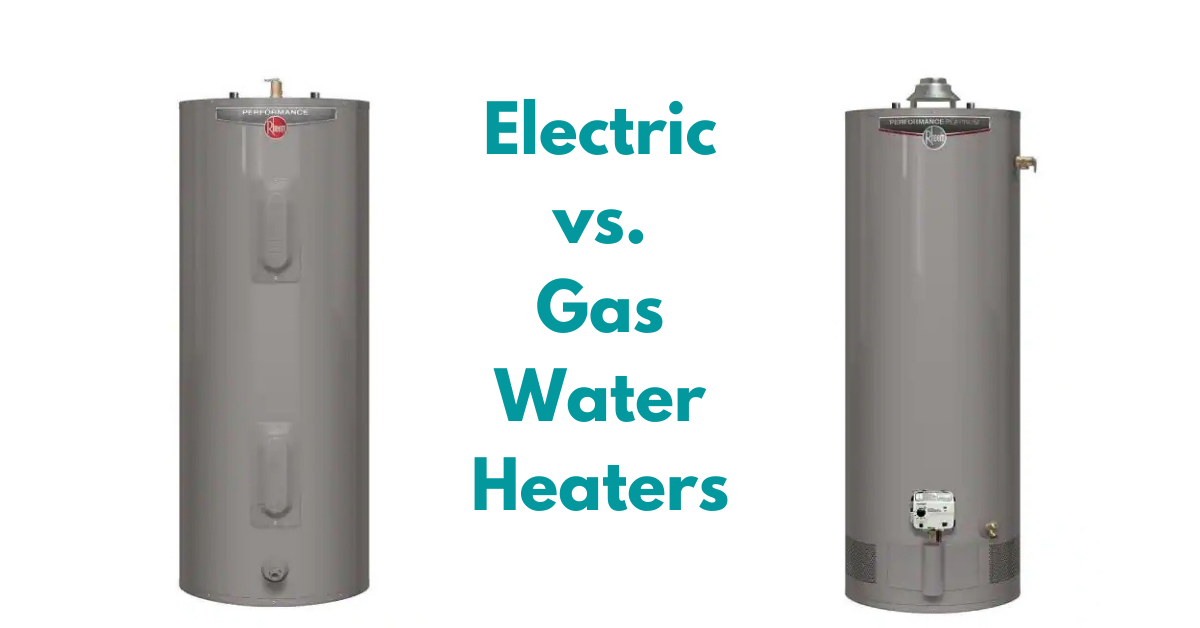
Spotting the Vent: Look for a large metal pipe (usually round or rectangular) connected to the top of the water heater. This pipe leads to a chimney or outside vent. If you see one of these, you're almost certainly looking at a gas water heater.
Electric Exception: Some newer, fancy electric water heaters might have a small vent for condensation, but it's typically much smaller and less obvious than a gas vent. So, don't let a tiny vent confuse you.

Pilot Light Peeking
This only applies to older gas water heaters. Newer models often use electronic ignition. But if your water heater looks like it's from a bygone era, it might have a pilot light.
The Pilot Light's Secret: Look for a small access panel near the bottom of the heater. If you peek inside (carefully!), you might see a small blue flame. That's your pilot light! Electric water heaters don't have these because... well, they're electric! (Duh!).

When in Doubt, Call a Pro!
If you're still unsure after all this sleuthing, don't hesitate to call a qualified plumber or HVAC technician. They can quickly and safely identify your water heater type. Plus, they can give it a once-over to make sure everything is running smoothly. Think of it as a spa day for your water heater!
Important Safety Tip: If you suspect a gas leak, get out of the house and call your gas company immediately! Seriously, don't mess around with gas. It's not worth it. Your safety (and your eyebrows) are much more important!
The Takeaway
So there you have it! You're now a water heater identification expert! Armed with this knowledge, you can confidently tackle any hot water mystery that comes your way. Just remember to use your powers for good (like helping your neighbor figure out why their shower is always cold). Go forth and conquer the world of plumbing! You got this! And even if you don’t, at least you tried, and that’s what truly matters. Now, go reward yourself with a nice, hot shower. You’ve earned it!