
How To Tell If Something Is Bronze Or Brass
Ever stared at a doorknob, a quirky antique, or even a shiny saxophone and wondered, "Is that bronze or brass?" Don't worry, you're not alone! It's a common question, and honestly, for most of us, the answer doesn't need a chemistry degree. Let's ditch the scientific jargon and learn how to tell these metallic cousins apart with a touch of fun and a dash of everyday observation.
Color Clues: Think Gold vs. Red-Gold
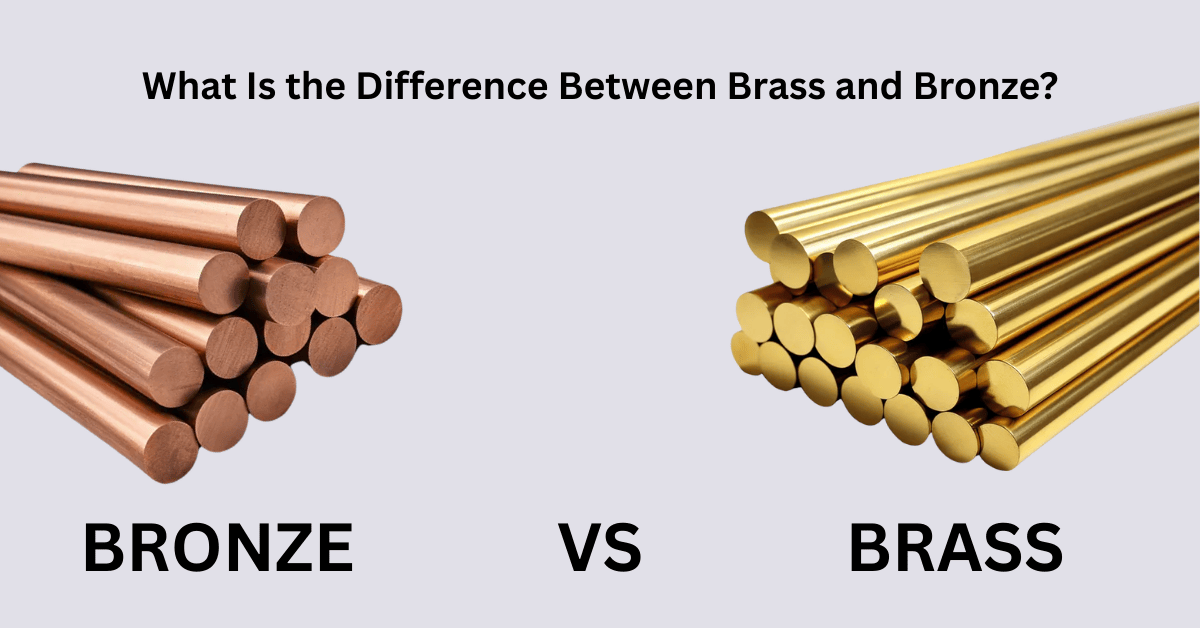
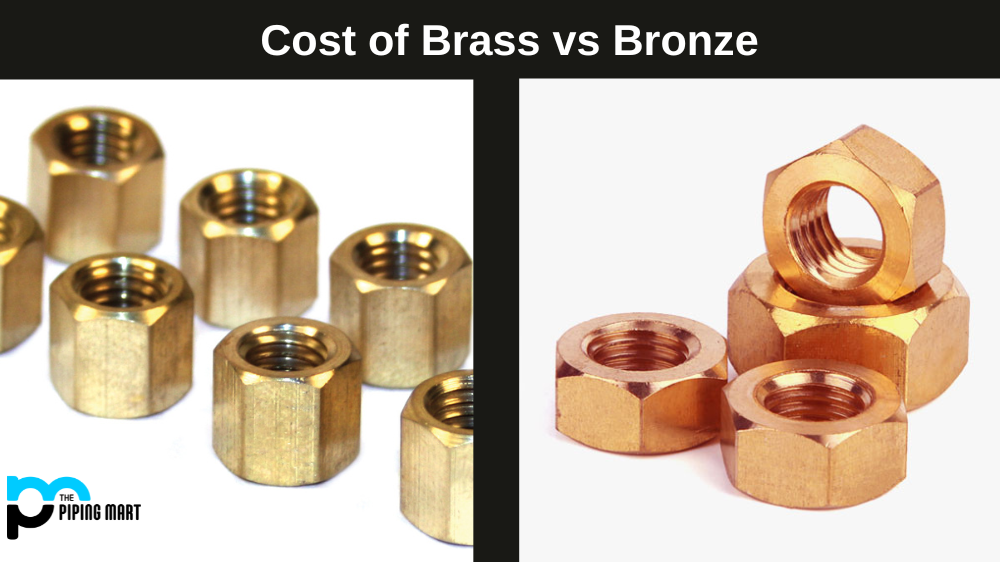
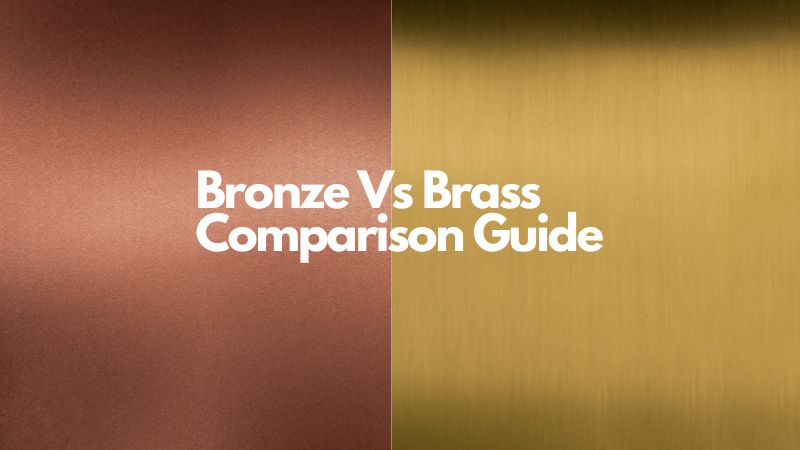
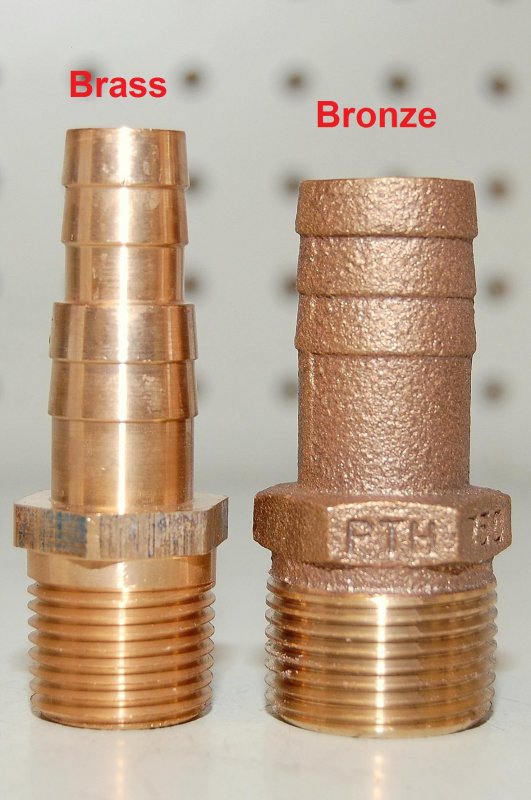
The easiest way to start your detective work is by looking closely at the color. Brass typically boasts a bright, almost cheerful golden hue. Think of a freshly polished trumpet – that's brass in its glory. It's the flashier of the two, often used in decorative items precisely because of its shiny, inviting appearance.
Bronze, on the other hand, has a warmer, reddish-gold tone. Imagine an old penny that's been handled for years; that rich, slightly subdued color is closer to what you'll find with bronze. It tends to have a more antique or earthy feel. Think statues in parks – often weathered and beautifully patinated, they exude a sense of history and endurance.
Must Read
However, beware! Time and tarnish can be sneaky. Both metals can develop a patina over time, changing their color. Brass can darken and bronze can become even more muted. So, color is a great starting point, but not always a foolproof method.
Consider the Context: Where Are You Likely to Find It?
Where an object is used can also be a big hint. Because of its malleability and acoustic properties, brass is frequently found in musical instruments like trumpets, trombones, and saxophones. It's also common in plumbing fittings, decorative hardware (like those aforementioned doorknobs!), and ammunition casings.
Bronze, known for its durability and resistance to corrosion, is often used in marine applications (propellers, for example), statues that need to withstand the elements, and bearings. Think of ancient shipwrecks – those bronze cannons are still remarkably intact after centuries underwater!
The "Clang" Test: Listen Up!
This one might sound a bit silly, but it can actually be surprisingly effective. Gently tap the object with something metallic (like a coin). Brass tends to produce a brighter, more ringing sound, almost like a bell. Bronze, due to its composition, usually has a duller, more muted thud.

Now, I'm not suggesting you go around whacking antique statues with pennies, but if you have two similar objects and are unsure, the "clang" test can be a fun and informative experiment.
The Magnet Myth: Spoiler Alert - Neither is Magnetic!
A common misconception is that one of these metals is magnetic. Neither brass nor bronze is magnetic! They are both alloys – mixtures of different metals – and their primary components (copper and zinc for brass, copper and tin for bronze) are non-magnetic.
So, if you're trying to identify a metal using a magnet, and it sticks, you're dealing with something else entirely – likely steel or iron.
The Scratch Test: Proceed with Caution!
This is a last resort, and only if you have permission to do so! Gently scratch the surface of the object in an inconspicuous area. Brass, being softer, will scratch more easily than bronze. However, keep in mind that scratching can damage the object, so only do this if absolutely necessary and with proper care.
Beyond the Basics: Appreciating the Beauty
Ultimately, distinguishing between bronze and brass doesn't always require pinpoint accuracy. The real joy lies in appreciating the unique qualities of each metal. Think about the warmth of a bronze sculpture basking in the sunlight, or the vibrant gleam of a brass instrument filling a concert hall with music.
Whether you're a collector, a history buff, or simply curious, understanding the subtle differences between bronze and brass can deepen your appreciation for the artistry and craftsmanship that goes into creating these beautiful and enduring objects. So, next time you encounter a mysterious metal, take a closer look, listen for the "clang," and embrace the detective work! You might be surprised at what you discover.
And remember, if all else fails, admiring the object for its aesthetic appeal is always a winning strategy!