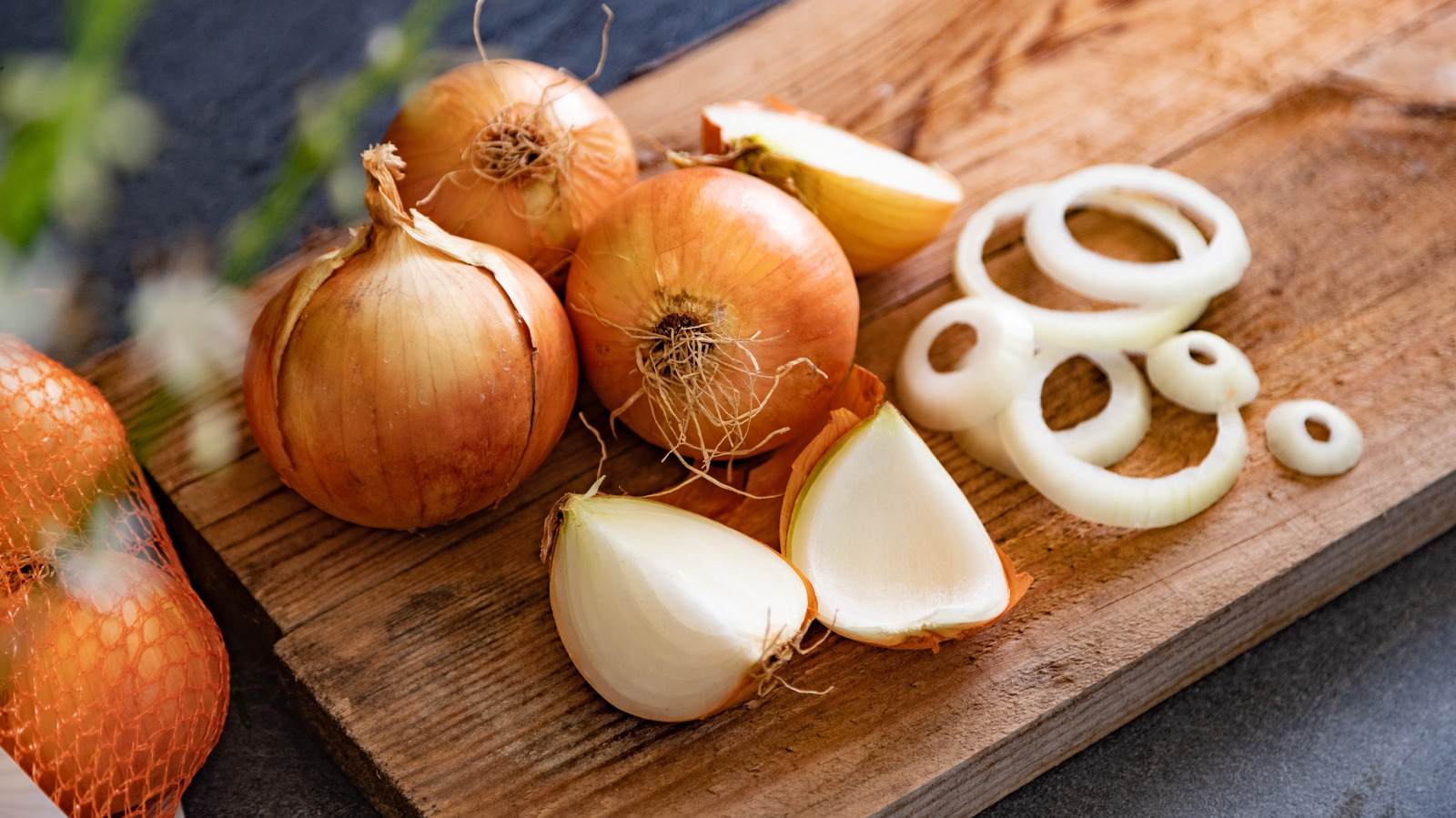
How To Tell If Onions Are Bad
Ah, the humble onion! It’s the unsung hero of countless kitchens, the foundational flavor in stews, the crispy star of onion rings, and the tear-inducing, yet utterly essential, ingredient in nearly every savory dish. From gourmet restaurants to your cozy home kitchen, onions are everywhere. But here’s the thing: while a good onion elevates a meal, a bad one can ruin it (and your week!). That's why knowing how to spot a rotten rascal before it infiltrates your cooking is not just useful, it's a culinary superpower that saves you from gastronomic grief and wasted groceries.
So, why bother becoming an onion detective? Well, beyond preventing that awful moment when you chop into a surprise mushy mess, learning the signs of a spoiled onion has several awesome benefits. You'll save money by not throwing away entire dishes because of one dodgy ingredient. You'll reduce food waste, contributing to a healthier planet. Most importantly, you'll ensure that every meal you prepare is bursting with the intended flavor, not tainted by an off-putting tang. Think of this as your practical guide to never again suffering the indignity of a bad onion.
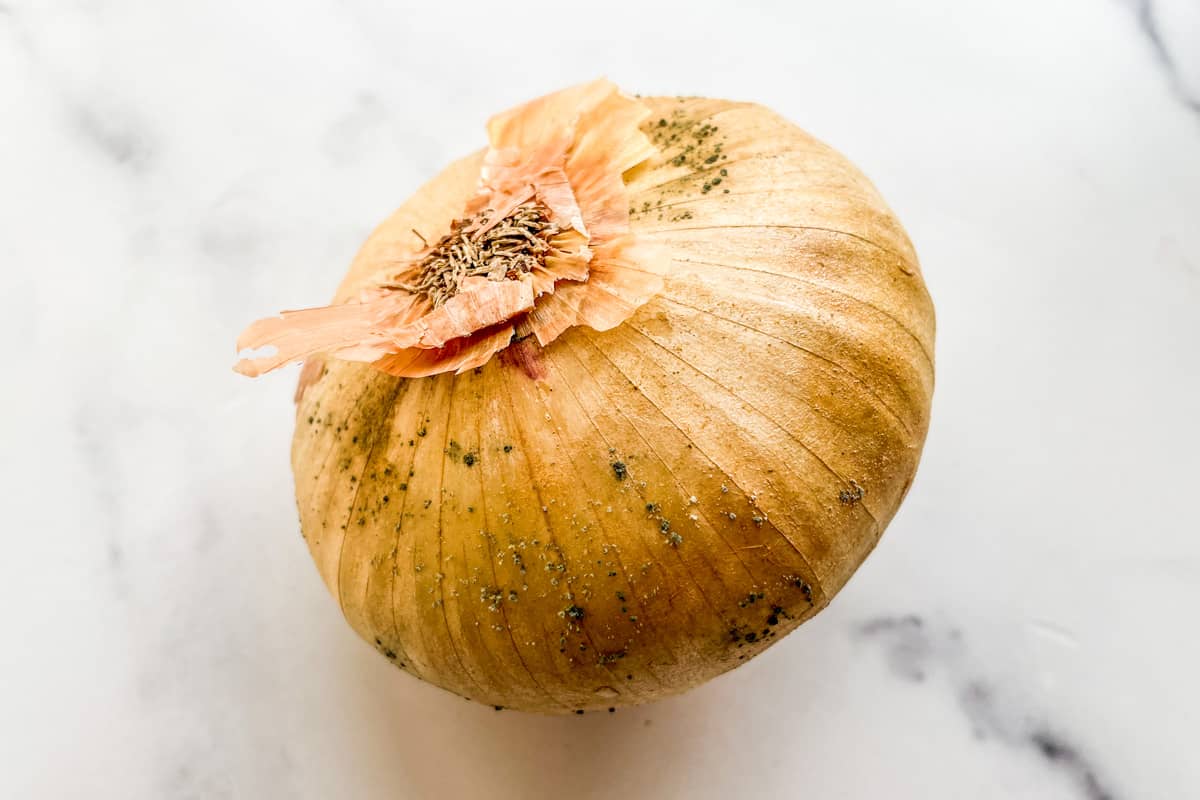
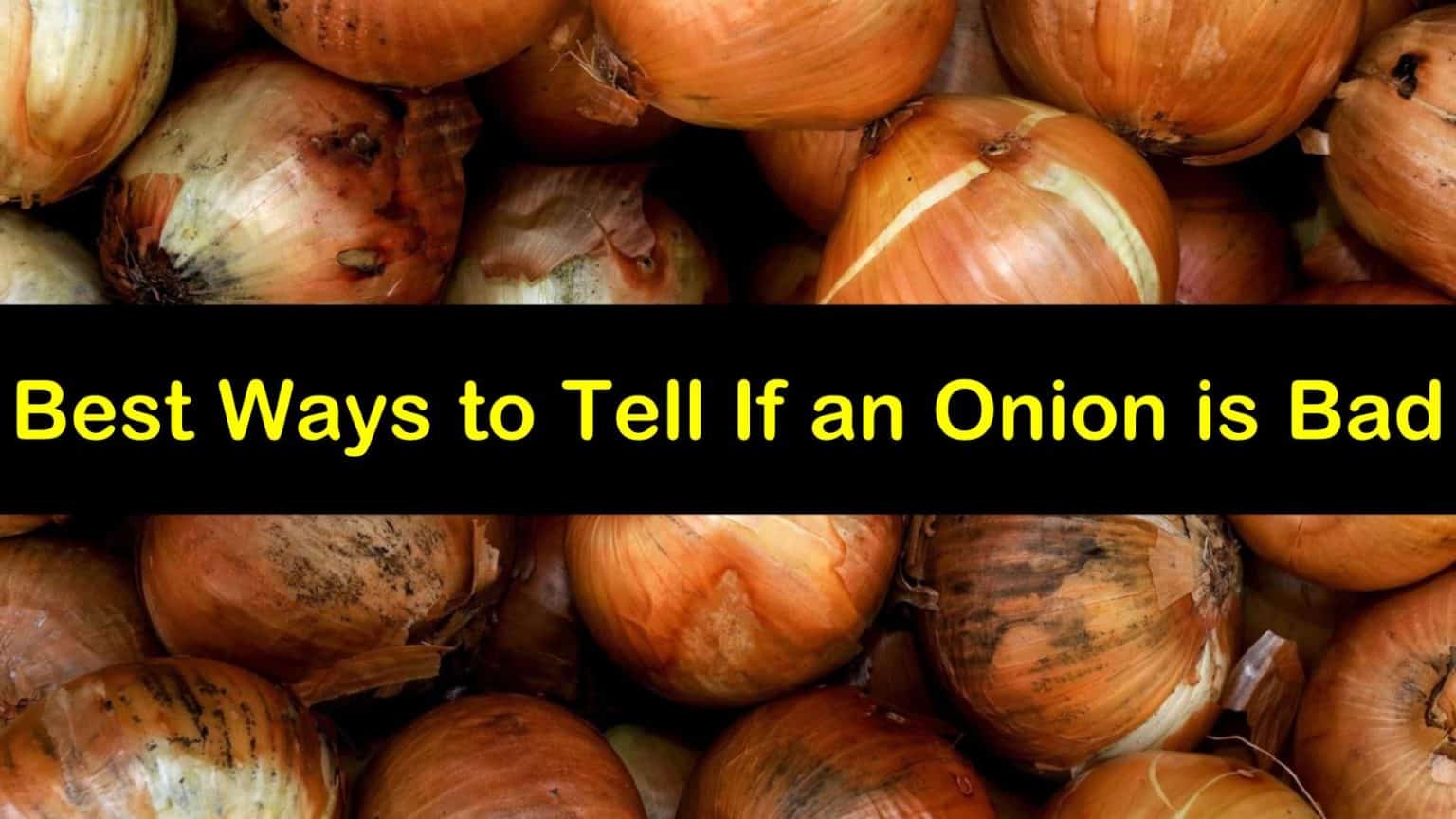
Let's dive into the fun part: the tell-tale signs! First up, visual cues. Give your onion a good once-over. Are there any visible dark spots, soft patches, or even fuzzy mold? Mold, even a tiny bit, means it's time to say goodbye. Discoloration, particularly brown or yellow areas where the onion should be firm and white/purple, is also a red flag. Sometimes you'll see green sprouts emerging – while not necessarily bad in terms of safety, these indicate the onion is aging and starting to regrow, which can alter its flavor, making it milder or less pungent than you might want.
Must Read
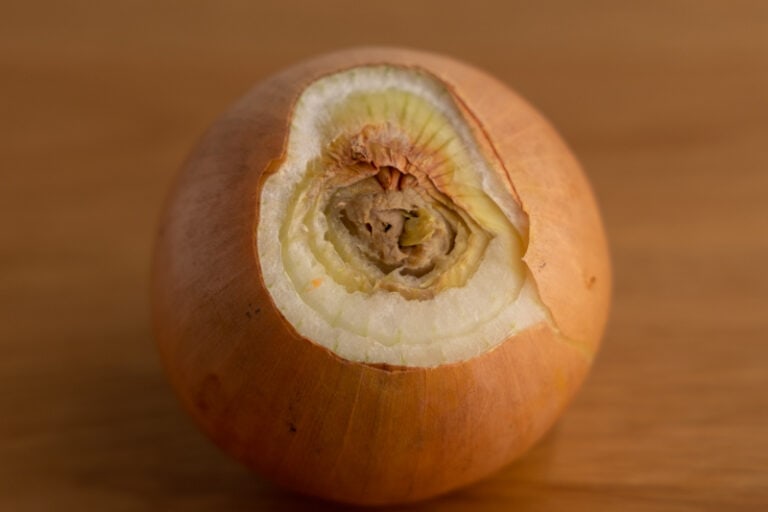
Next, engage your sense of touch. Pick up the onion and give it a gentle squeeze. A healthy onion should feel firm and solid all over. If you encounter any soft, squishy, or mushy spots, that’s a clear indication of spoilage. A particularly soft spot often hides internal rot. Similarly, if an onion feels unusually light for its size, it might have dried out significantly or started to hollow from the inside, meaning its prime days are long past.
Perhaps the most reliable (and often the first) indicator is the smell test. A fresh onion has that characteristic sharp, pungent aroma that makes your eyes water in a good way. But take a sniff of an onion that you suspect is past its prime. Does it smell acrid, sour, musty, or just plain rotten? If it emits an odor that makes you recoil, trust your nose – it’s almost certainly bad. Even if it looks okay, a foul smell is a definitive sign that it's time to toss it.
So there you have it! With a quick visual inspection, a gentle squeeze, and a good sniff, you can confidently determine the fate of your onions. Mastering these simple tricks will empower you in the kitchen, ensuring your dishes always taste their best and your groceries never go to waste because of a hidden rotten core. Go forth, discerning chef, and may your onions always be fresh and fabulous!
![How to Tell if an Onion Is Bad? [5 Signs of Spoilage] - Does It Go Bad?](https://www.doesitgobad.com/wp-content/uploads/Spoiled-onion.jpg)