How To Tell If Nest Thermostat Is Charging
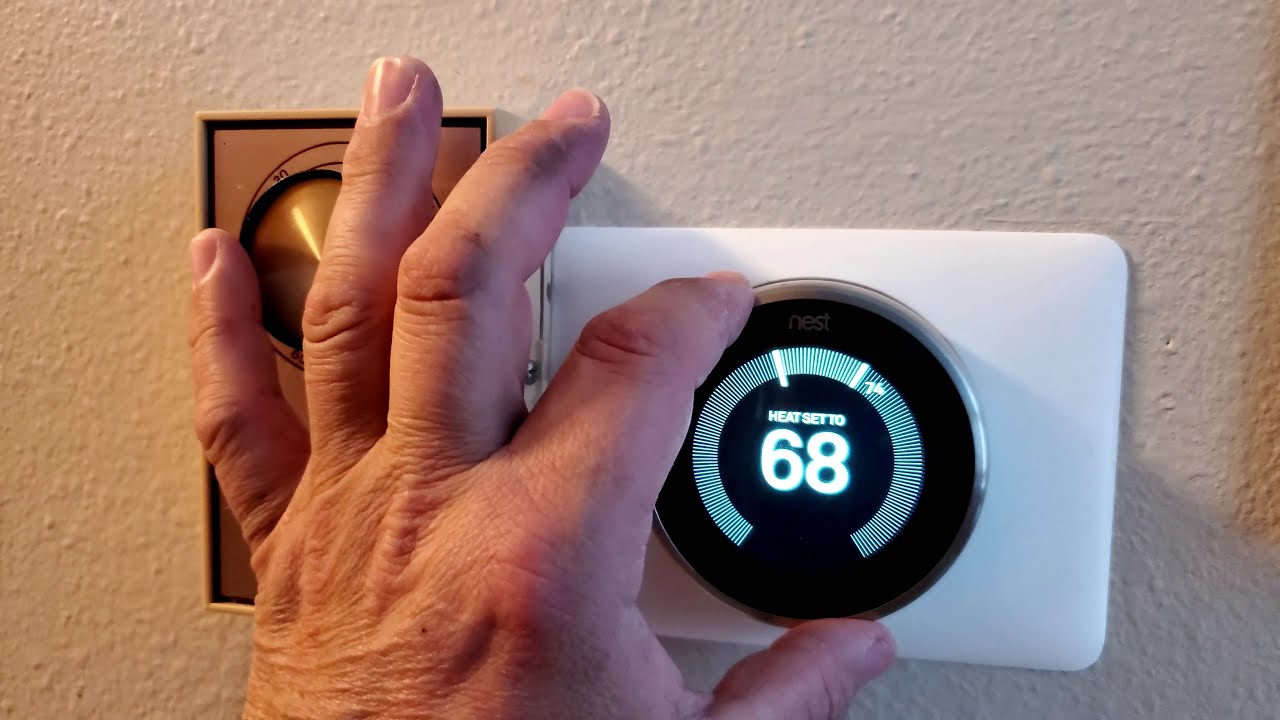
Ah, the Nest Thermostat. It’s like the quiet MVP of your smart home, silently keeping your abode perfectly cozy without you even having to lift a finger. But sometimes, even our most reliable tech needs a little TLC, and a common question pops up: “Is my Nest actually charging?” Fear not, fellow digital-age dweller! Just like your smartphone needs its daily juice to keep you scrolling through puppy videos, your Nest needs a stable power source to keep your climate just right. Let’s dive into how to decode those subtle signals and ensure your Nest is always topped up and ready for action.
Think of your Nest as a tiny, highly efficient energy manager. While many Nest models have a built-in rechargeable battery, this battery often needs a little help from your HVAC system's wiring (ideally, a C-wire, but we’ll get to that). The battery acts as a backup, keeping things running smoothly even if the main power source has a hiccup. So, knowing its charging status isn't just for tech geeks; it’s for anyone who appreciates uninterrupted comfort.
The Green Light of Goodness
This is often the first and most obvious sign. When your Nest is properly seated on its base and receiving power, you’ll typically see a small, steady green light on the top right of the thermostat's display. It’s a subtle nod, a quiet affirmation that everything is humming along as it should.
Must Read
- A solid green light usually means it’s charging or fully charged.
- If you see a blinking green light, it might indicate a different status, so it’s always good to check the Nest support pages if you’re unsure. But generally, steady green is your friend.
What the Screen Tells You
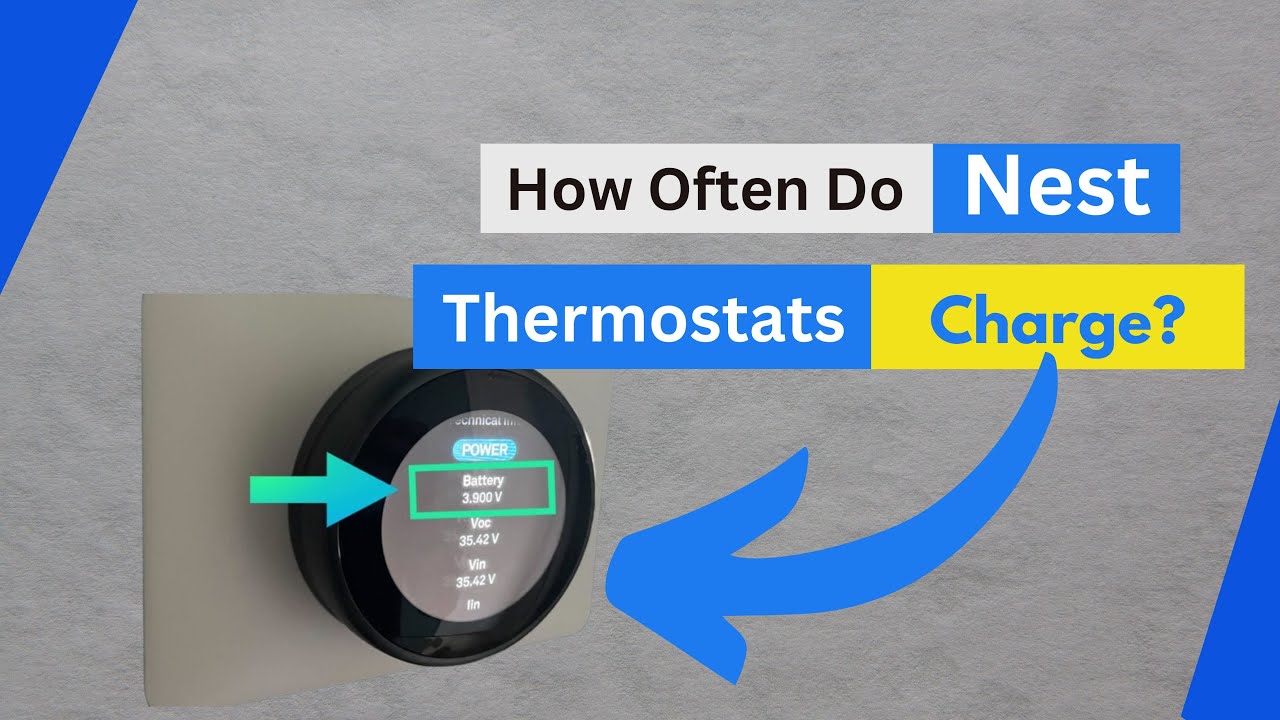
Your Nest’s display isn’t just for showing the temperature; it’s also a communication hub. If your Nest’s battery is running low, you might see a low battery icon (often a battery with a red segment) appear on the screen. Once it’s properly connected and charging, that icon should change to show it's actively gaining power, much like your phone's charging animation.
For models like the Nest Thermostat E or Nest Learning Thermostat, the display might even explicitly state "Charging" or show a more detailed battery level if you navigate through the settings. It’s like a little progress bar for your home's comfort manager.

The App: Your Digital Dashboard
In this age of omnipresent apps, of course, your Nest has one! Whether you’re using the Google Home app or the Nest app, you can quickly check your thermostat’s status from anywhere.
- Open the app.
- Select your Nest Thermostat.
- Look for the battery icon or navigate to the device settings. You should see a percentage, letting you know exactly how much juice your Nest has. If it's charging, it will often indicate that too. It's like having your comfort control in your pocket, always updated.
Charging Methods: The Nitty-Gritty
How does your Nest get its power?
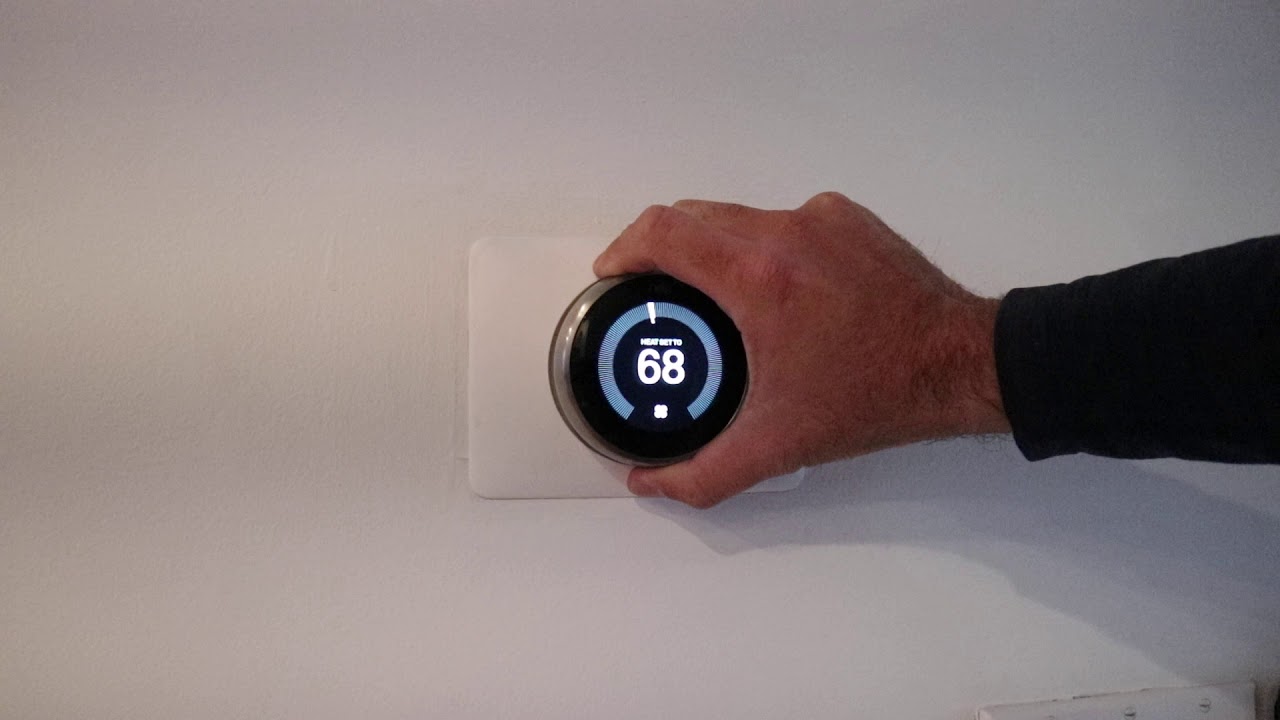
- The C-wire Connection: The golden standard! A "common wire" (C-wire) provides continuous 24V AC power directly from your HVAC system to your Nest. If your Nest has a C-wire, it will almost always be charging and maintaining its battery without you needing to do a thing. It’s the ultimate set-it-and-forget-it scenario.
- The HVAC System (without C-wire): Some Nests can "power steal" a tiny bit of energy from your heating and cooling wires. This works for many, but it can sometimes lead to intermittent charging or a drained battery if your system doesn't run frequently enough or if there are other power demands.
- USB Charging: If your Nest's battery is completely dead, it might not even power on. In this scenario, you can often remove the display from its base and charge it using a micro-USB cable (check your specific model – some Nest models have a port on the back). This is a great temporary fix to get it back up and running, much like jump-starting your car.
Signs it Needs Charging (and fast!)
Just like you feel sluggish without your morning coffee, your Nest might show signs of low power.
- Dim or blank screen: The display might be faint, or simply off.
- Unresponsiveness: It won't respond to touch or turn.
- Wi-Fi disconnections: It might drop its Wi-Fi connection more frequently.
- Heating/cooling issues: The most critical sign – it might struggle to call for heat or cool.
If you see these, it's time to investigate its power source!
A Little Reflection
Understanding your Nest's charging habits isn't just about avoiding a chilly morning; it's about appreciating the little things that keep our modern lives flowing smoothly. Just like we need to recharge our own batteries after a long week, our smart devices need their steady stream of energy to perform at their best. A well-charged Nest means consistent comfort, efficient energy use, and one less thing to worry about. So, give your smart thermostat a little virtual pat on the back, ensure it's glowing green, and enjoy the perfectly balanced environment it helps create. It's a small victory in the grand scheme of daily life, but sometimes, those are the most comforting.