
How To Tell If Gasoline Is Bad

Alright, folks, let's talk about something we all use but rarely think about: gasoline! We pour it into our cars, lawnmowers, generators, and a whole host of other machines, expecting them to purr to life without a hitch. But what happens when that trusty fuel has been sitting around a little too long? Just like that forgotten carton of milk in the back of the fridge, gasoline can go bad. And trust me, you don't want to find out the hard way by hearing your engine sputter like a disgruntled platypus.
Knowing how to spot bad gas isn't just about being a fuel snob; it’s about saving yourself a world of headache, hassle, and potentially a hefty repair bill. Your engine, whether it’s in your beloved classic car or your trusty leaf blower, is a delicate creature. It thrives on good, clean fuel, and it will throw a serious tantrum (read: break down) if it’s fed something nasty. So, let’s grab our detective hats and learn how to tell if your gasoline is past its prime!
The Sniff Test: What Does Bad Gas Smell Like?
This is often the first and easiest clue. Fresh gasoline has a very distinct, almost familiar smell – strong, a bit sweet, undeniably "gasoline-y." It’s a scent we know, even if we don't necessarily love it.
Must Read
But bad gas? Oh boy. It’s a whole different aroma. Instead of that crisp, familiar scent, you'll often notice a smell that's sour, stale, or even a bit like varnish or lacquer thinner. Imagine opening a can of old, forgotten paint thinner, or even some nail polish remover. That chemical, slightly acrid smell is a dead giveaway. It’s definitely not the kind of "eau de fuel" your engine wants!
Think of it like bread: fresh bread smells delicious and inviting. Stale bread just smells… well, stale and unappetizing. Bad gas is the stale bread of the fuel world.

The Visual Inspection: Color and Clarity
Now, let's put on our imaginary lab coats and look at that fuel. Ideally, you’d want to pour a small sample into a clear glass jar (away from any ignition sources, please!).
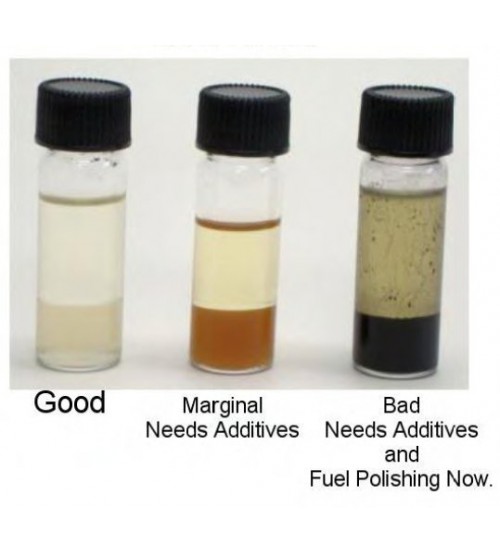
Fresh gasoline typically has a light, clear, almost amber or slightly yellowish tint. Think of it like a refreshing glass of light apple juice or maybe a very pale iced tea. You should be able to see right through it without any murkiness.
Bad gasoline, however, often tells a different story. It can start to darken significantly, turning a deep yellow, orange, brown, or even a cloudy, milky color. Sometimes it looks like really dark, murky pond water, or maybe an iced tea that’s been left in the sun for about a year. If it looks like something you wouldn’t willingly pour into your mouth (which you shouldn’t do with gas anyway!), it’s probably not fit for your engine either.
The Sediment Story: Gunk and Grit
While you're admiring your fuel sample in the jar, take a close look at its clarity and the bottom of the container.
Good gasoline should be perfectly clear, with absolutely no floating bits or sediment settling at the bottom. It should be as clean as a freshly wiped window.
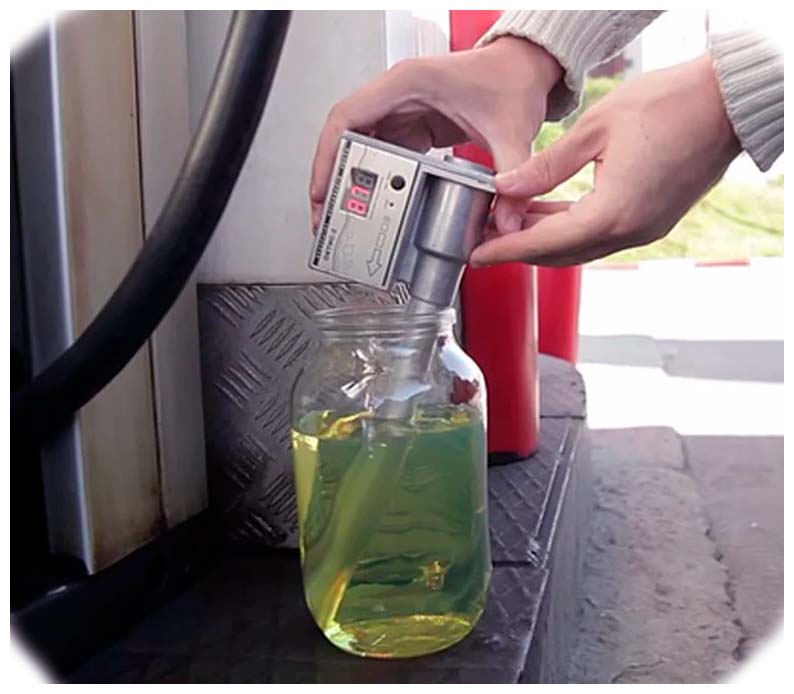
Bad gasoline might look hazy, cloudy, or even have visible gunk floating around like tiny little alien spaceships. You might also see rust, dirt, or other deposits settled at the bottom of the jar. Sometimes, if there's water contamination (which can happen from condensation in a partially filled tank), you might even see distinct layers, like oil and vinegar dressing separating in a bottle. Water is heavier than gas, so it will typically sink to the bottom. Any of these signs are a big red flag waving frantically at you!
Why Does It Go Bad Anyway? The Science Bit (But Keep It Fun!)
Gasoline isn't designed to last forever, sadly. Its shelf life is usually around 3-6 months, depending on how it's stored and the type of gas. Here’s a quick peek at why it turns sour:
- Oxidation: Just like how an apple turns brown when exposed to air, gasoline reacts with oxygen. This chemical tango creates gummy, varnish-like deposits that can clog up fuel lines and carburetors faster than a squirrel hoarding nuts.
- Evaporation: The lighter, more volatile components of gasoline (the stuff that makes it ignite easily) slowly evaporate over time. What’s left behind is a heavier, less combustible brew that your engine simply won't like.
- Water Contamination: Empty space in a fuel tank can lead to condensation, introducing water into your fuel. Water doesn't burn, causes rust, and generally makes a mess of things.
So, What Do You Do With Bad Gas?
The golden rule here is simple: Do not use it! Seriously, don't try to "dilute" it with fresh gas or trick your engine. It's not worth the risk of damaging expensive engine components.
Proper disposal is key. You can't just pour it down the drain or into the garden (please, absolutely not!). Most auto shops or local hazardous waste facilities will have specific procedures for disposing of old fuel safely and responsibly. Give them a call!
Prevention is the Best Medicine!
Want to avoid this whole bad gas saga? Here are a few easy tips:
- Use a Fuel Stabilizer: Think of this as gasoline's personal trainer! A good fuel stabilizer, added to your tank before long-term storage (like putting your lawnmower away for winter), can extend the life of your fuel significantly, often for a year or more.
- Store in a Full Tank: For machines you won't use for a while, fill the tank all the way up. Less air space means less room for condensation and oxidation.
- Proper Storage Containers: Use approved, airtight fuel cans in a cool, dry place.
There you have it! Knowing these simple signs can save you a lot of grief and keep your engines running smoothly. So, next time you're about to fire up that old generator or dust off the classic car, take a moment to give the gas a quick sniff and a peek. Your engine will thank you, and you'll avoid that dreaded sputter. Happy motoring, friends!