How To Tell If Element Is Bad In Water Heater

Okay, let's talk water heaters. I know, I know, it's not exactly the life of the party. But trust me, knowing how to spot a failing element in your water heater is surprisingly empowering. Think of it as your secret weapon against cold showers and sky-high electricity bills. Plus, fixing it yourself (if you're comfortable, of course!) can save you a pretty penny. So, grab a cup of coffee, and let's dive in!
Why should you even care? Well, for beginners, understanding the basics of your water heater means you can troubleshoot simple issues before they become major headaches. For families, a properly functioning water heater is essential for comfortable living – think warm baths for the kids and efficient laundry cycles. And for the weekend hobbyists, this is a great opportunity to flex those DIY muscles and learn a valuable skill.
So, how do you know if an element is going bad? The most common sign is, you guessed it, no hot water! Or, maybe the water is lukewarm, even after the heater has been running for a while. This indicates the element isn't heating the water efficiently. Another clue is inconsistent water temperature. You might get hot water for a short period, followed by cold water. Finally, strange noises coming from the tank, like rumbling or popping, can signal sediment buildup around a failing element, causing it to overheat.
Must Read
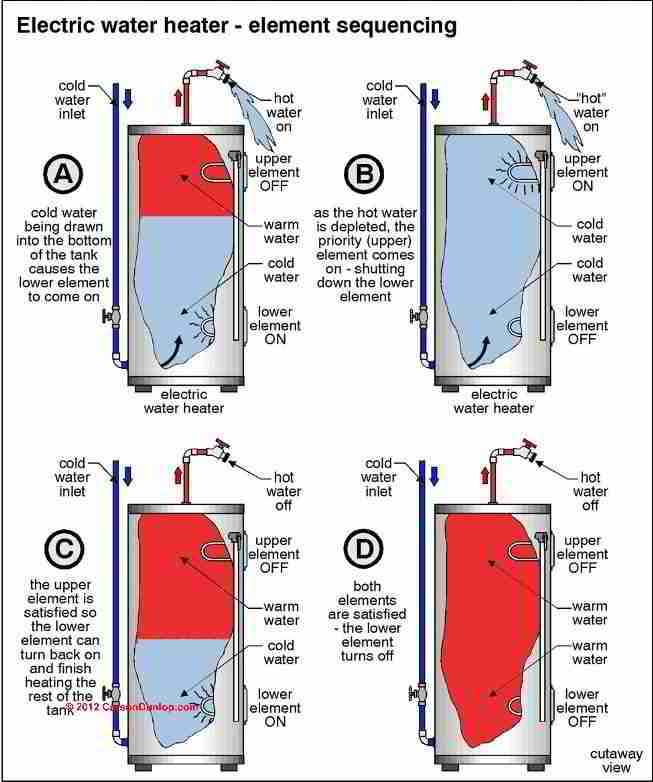
There are variations in water heater elements. Some are made of different materials, and they come in different wattages. It is essential to pick up the correct wattage and type for your model to ensure proper function. You might also find single-element or dual-element water heaters. Dual-element heaters have one element near the top and another near the bottom, providing more even heating. A problem with either element will affect water temperature.

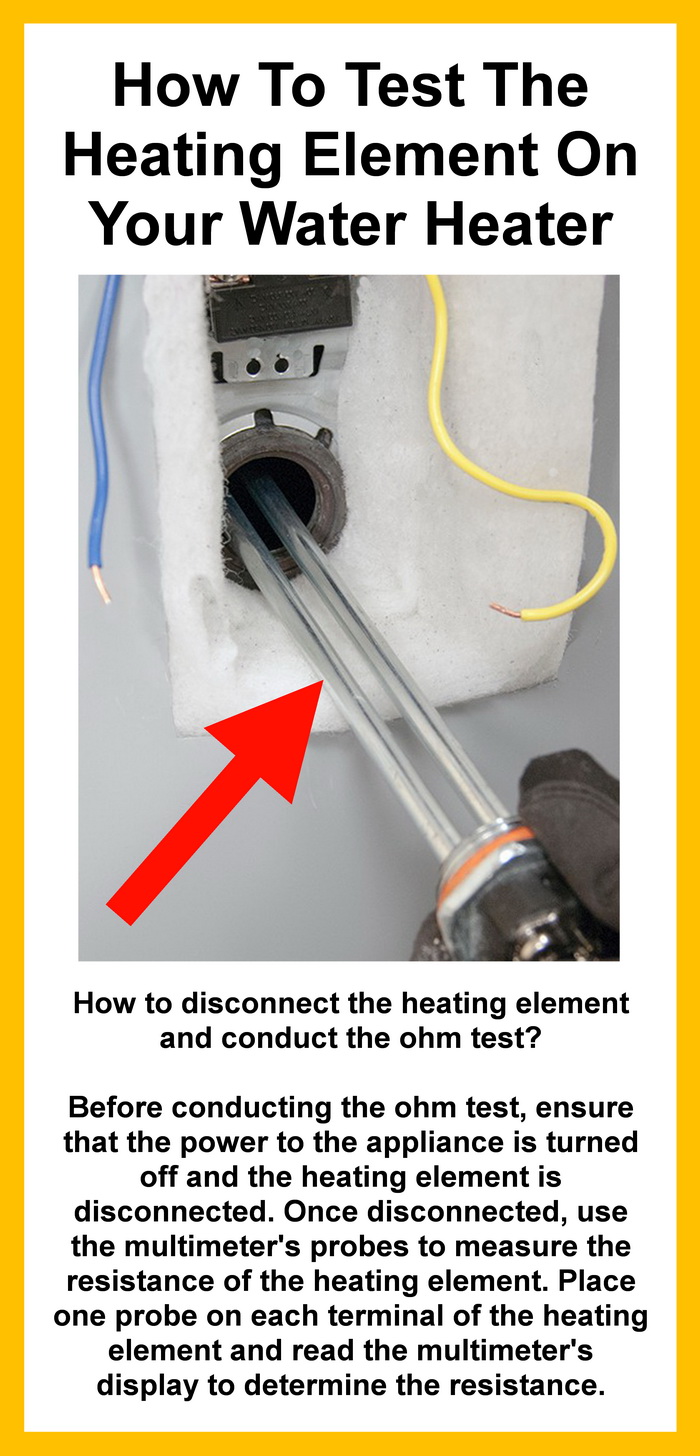
Ready to get started? Here are a few practical tips: First, and most importantly, turn off the power to the water heater at the circuit breaker! This is crucial for your safety. Second, carefully inspect the water heater for any signs of leaks or corrosion. Third, use a multimeter to test the continuity of the element. If the multimeter reads zero or infinity, the element is likely bad. There are tons of helpful videos online that walk you through this process step-by-step. If you're not comfortable using a multimeter, call a qualified electrician or plumber. Fourth, before replacing the element, drain the tank to avoid a flood. This can be done by attaching a hose to the drain valve at the bottom of the tank. Remember to follow the manufacturer's instructions for your specific water heater model. Fifth, once the element has been replaced and the tank is filled, follow all manufacturer priming and testing procedures. Many new elements can fail prematurly if not properly primed and tested on installation.
Learning how to diagnose a bad water heater element isn't just about saving money; it's about gaining confidence in your ability to maintain your home. And let's face it, there's a certain satisfaction that comes from fixing something yourself. Plus, who doesn't love the feeling of a long, hot shower knowing you're the reason it's happening? So, go forth and conquer that water heater!