How To Tell If Ceiling Fan Is In Winter Mode
Ah, the ceiling fan. A humble hero, silently whirring above us, keeping us cool in the summer. But did you know it possesses a secret power? A power that can transform your living space into a haven of warmth during the chilly winter months? It’s true! Your ceiling fan isn't just for summer breezes; it has a "winter mode," and unlocking it can be a game-changer.
Why should you care, especially if you're an artist, hobbyist, or someone who simply enjoys a cozy home? Because comfort equals creativity! A warmer, more evenly heated room means fewer shivers, less distraction, and more focus on your passion. Imagine painting without your hands freezing, finally finishing that intricate model railway project, or simply enjoying a good book without piling on five blankets. A properly functioning winter-mode ceiling fan allows you to create and relax in optimal conditions.
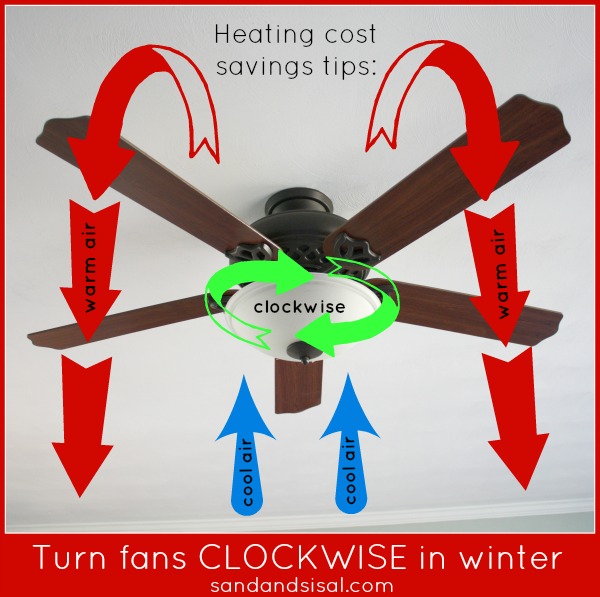
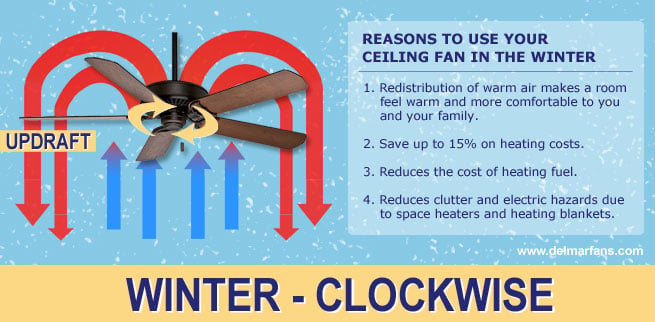
So, how do you know if your ceiling fan is in winter mode? It's all about the direction of rotation. In summer, the fan should rotate counter-clockwise (when viewed from below). This pushes air down, creating a cooling breeze. For winter, you want the opposite: clockwise rotation at a low speed. This gently pulls air up, displacing the warmer air that naturally rises to the ceiling and circulating it back down into the room. Think of it like this: the warm air is stuck partying up high, and the fan is politely inviting it to join the rest of the room.
Must Read
The most common types of ceiling fans that offer this function are the standard three to five bladed fans found in most homes. Some might feature ornate designs, while others are simple and modern. But the key is locating the small switch on the fan's motor housing. It’s usually a slider switch, often labeled with arrows indicating the direction of rotation. Some newer, more advanced models might even have this function integrated into the remote control!
Ready to give it a try? Here's a quick guide:
![Ceiling Fan Directions for Summer vs Winter [Infographic]](https://airflowacademy.com/wp-content/uploads/2021/06/Ceiling-fan-directions-infographic-768x1425.jpg)
- Step 1: Safety first! Turn off the fan at the wall switch or breaker before making any adjustments.
- Step 2: Locate the reversing switch on the motor housing.
- Step 3: Flip the switch to the opposite position (usually indicated with arrows).
- Step 4: Turn the fan back on at a low speed and observe the direction of rotation. It should be clockwise.
- Step 5: Monitor the room temperature. You should notice a more even distribution of warmth.
If you don't see the switch, consult your fan's manual. If you can’t find your manual, a quick internet search using your fan’s make and model number should do the trick. And if you are not comfortable working with electricity, always consult a qualified electrician.
Ultimately, activating your ceiling fan's winter mode is about creating a more comfortable and energy-efficient living space. It's a small adjustment that can make a big difference in your overall well-being, especially during those long, cold winter months. Plus, there’s a certain satisfaction in knowing you’re maximizing the potential of a household appliance you already own. So, give it a whirl (pun intended!), and enjoy the cozy benefits of a well-circulated, comfortably warm home.