
How To Tell If A Pipe Is Frozen
:max_bytes(150000):strip_icc()/how-to-tell-if-your-pipes-are-frozen-2124985-v3-5b476dd246e0fb005b2575e8-f000053e481448d6b246a22658def1cc.png)
Picture this: It’s a bitter cold morning, the kind where your nose hairs freeze just thinking about stepping outside. You shuffle to the kitchen, dreaming of that first glorious cup of coffee. You turn on the faucet, ready to fill the kettle, and… nothing. Or maybe just a sad, anemic trickle. Your brain, still half-asleep, tries to compute. Is it a city-wide water outage? Did someone prank you? Or, gasp, are your pipes playing a very expensive game of hide-and-seek with a block of ice?
Yeah, that last one is often the culprit when Jack Frost decides to get a little too cozy with your home’s plumbing. Freezing pipes are not just an inconvenience; they’re a ticking time bomb waiting to explode into a watery, destructive mess. But how do you actually tell if a pipe is frozen before it’s too late and you’re reenacting a scene from the Titanic in your living room? Let’s put on our detective hats, shall we?
Knowing the signs can save you a whole lot of headache, heartache, and most importantly, cold hard cash. Trust me, nobody wants to deal with a burst pipe in the middle of winter. So, here are the tell-tale clues you need to look out for.
Must Read
The Dreaded Drip or No Flow At All
This is probably the most obvious and common sign. You turn on a faucet, and either nothing comes out, or you get a weak, pathetic stream. If this is happening during a cold snap, especially in areas of your house that aren’t well-heated – think basement, garage, or outdoor spigots – it’s a massive red flag. Your water is literally stuck in ice traffic.
What’s happening? Somewhere along that pipe’s journey, water has frozen solid, creating a blockage. The cold, sneaky devil! If it’s just one faucet, the freeze is likely close to that fixture. If it’s multiple faucets on one side of the house, you might have a bigger blockage in a main line leading to that area. Time to investigate further, my friend.
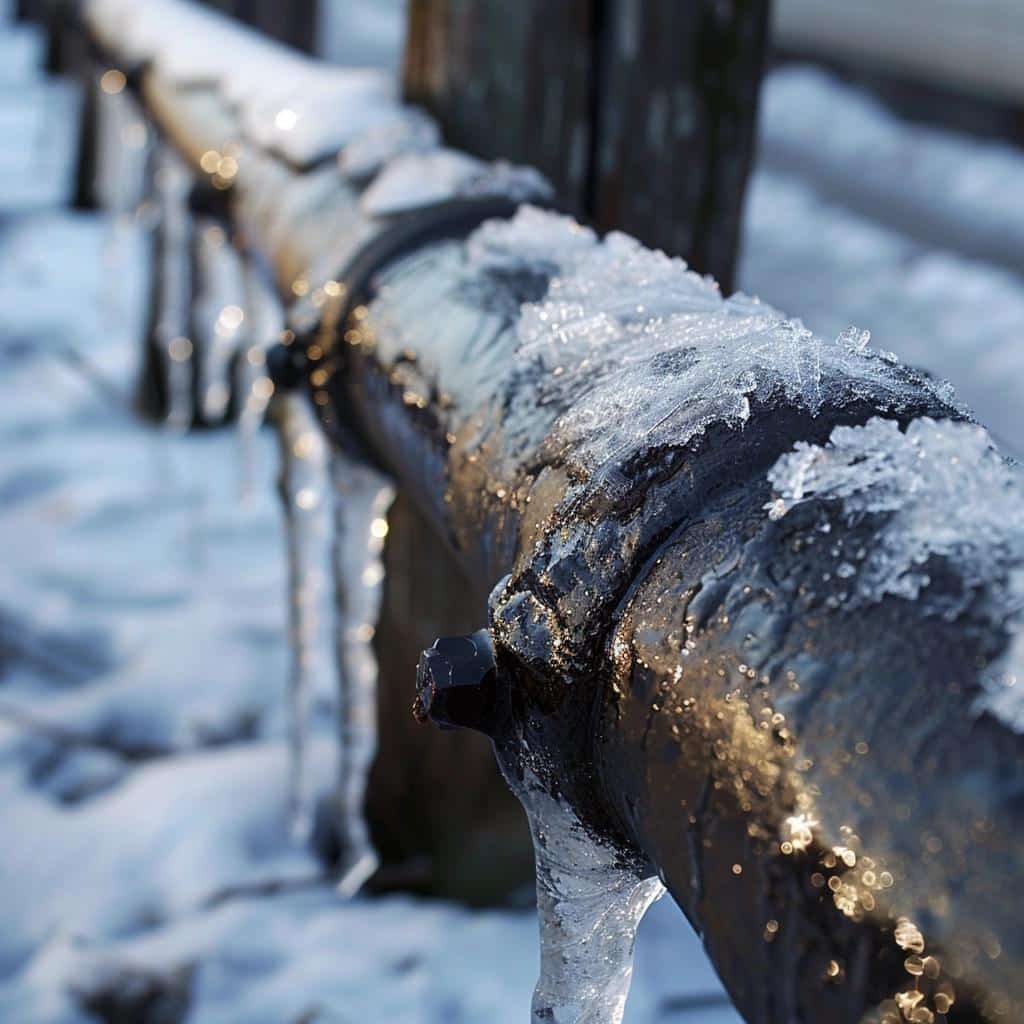
Visible Frost or Ice on the Pipe Itself
Sometimes, the pipe will actually show you the evidence. If you have exposed pipes in your basement, crawl space, or even under sinks in cabinets that are on exterior walls, take a good look. Do you see any frost or ice coating the outside of the pipe? It's like nature’s little warning sign, only it’s screaming "HELP!"
This is a pretty definitive indicator. The ice inside the pipe is making the pipe itself super cold, leading to condensation and then freezing on the exterior. If you spot this, you’ve found your culprit! And you’re one step ahead of the dreaded burst.

Strange Odors Coming from Drains
Okay, this one might seem a little weird, but hear me out. If a pipe is frozen, it’s not just blocking water flow to your faucet; it can also be blocking the flow away from your drains. When water can’t properly drain, sewer gases can become trapped or unable to escape through the vent pipe on your roof. This can lead to some unpleasant, funky smells wafting up from your sinks or tubs. Yuck!
If you're noticing a bad smell coinciding with low water pressure and freezing temperatures, it’s a clue worth considering. Your nose knows!
A Bulge or Crack in the Pipe
This is where things get really real, folks. Water expands when it freezes – by about 9% to be precise. This expansion puts immense pressure on the pipe, and pipes aren't designed to handle that kind of internal stress. Before a full burst, you might sometimes see a bulge in the pipe, especially if it's copper or another malleable material.
Even worse, you might see a visible crack. If you spot either of these, your pipe is either on the verge of bursting or has already started to fail. This is an immediate, drop-everything-and-act-now situation. Find your main water shut-off valve and turn it off immediately to minimize potential water damage.
Unusually Cold Sections of Wall or Floor
Become a pipe detective! If you suspect a frozen pipe but can’t see it, try feeling around for it. Pipes often run inside walls, under floors, or above ceilings. During a cold snap, if you feel a specific section of a wall, floor, or cabinet that is noticeably colder than the surrounding areas, it might be an indication that a frozen pipe is lurking just beneath the surface.
This is particularly true for exterior walls or areas near unheated spaces. Sometimes, you can even hear a faint humming or creaking sound as the ice expands within the pipe. Listen closely!
So, there you have it. The next time the mercury dips, keep an eye (and an ear, and a nose, and a hand!) out for these signs. Catching a frozen pipe early can literally save your home from a watery catastrophe. Stay vigilant, stay warm, and keep that water flowing!