How To Tell Difference Between Bronze And Brass
Ever stumbled across a cool-looking metal object and wondered, "Is that bronze? Or brass?" It's a surprisingly common question! Knowing the difference between these two alloys isn't just for metalworkers and antique dealers. It's a fun bit of knowledge that can enrich your appreciation for art, history, and even the everyday objects around you. Think about it: from historical statues to the fittings on your sailboat, bronze and brass are everywhere. Understanding them is like unlocking a little secret about the world.
So, why bother learning the difference? Well, for one, it can help you identify antiques or collectibles. Knowing the composition of a metal object can give you clues about its age and origin, potentially impacting its value. Beyond that, it’s just plain interesting! You'll start noticing these metals everywhere and appreciating the subtle differences in their appearance and properties. You might even impress your friends with your newfound metal-detecting skills! Plus, understanding the properties of different metals can be useful in various DIY projects. For example, knowing whether a fitting is brass or bronze can inform your choice of cleaning products or repair methods.
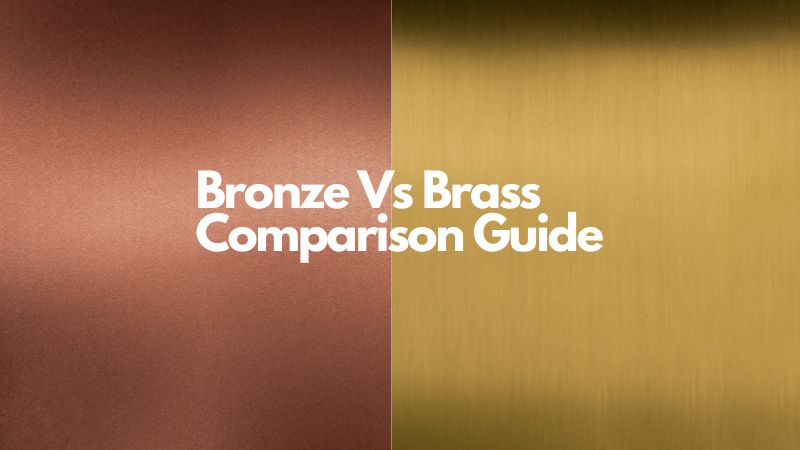
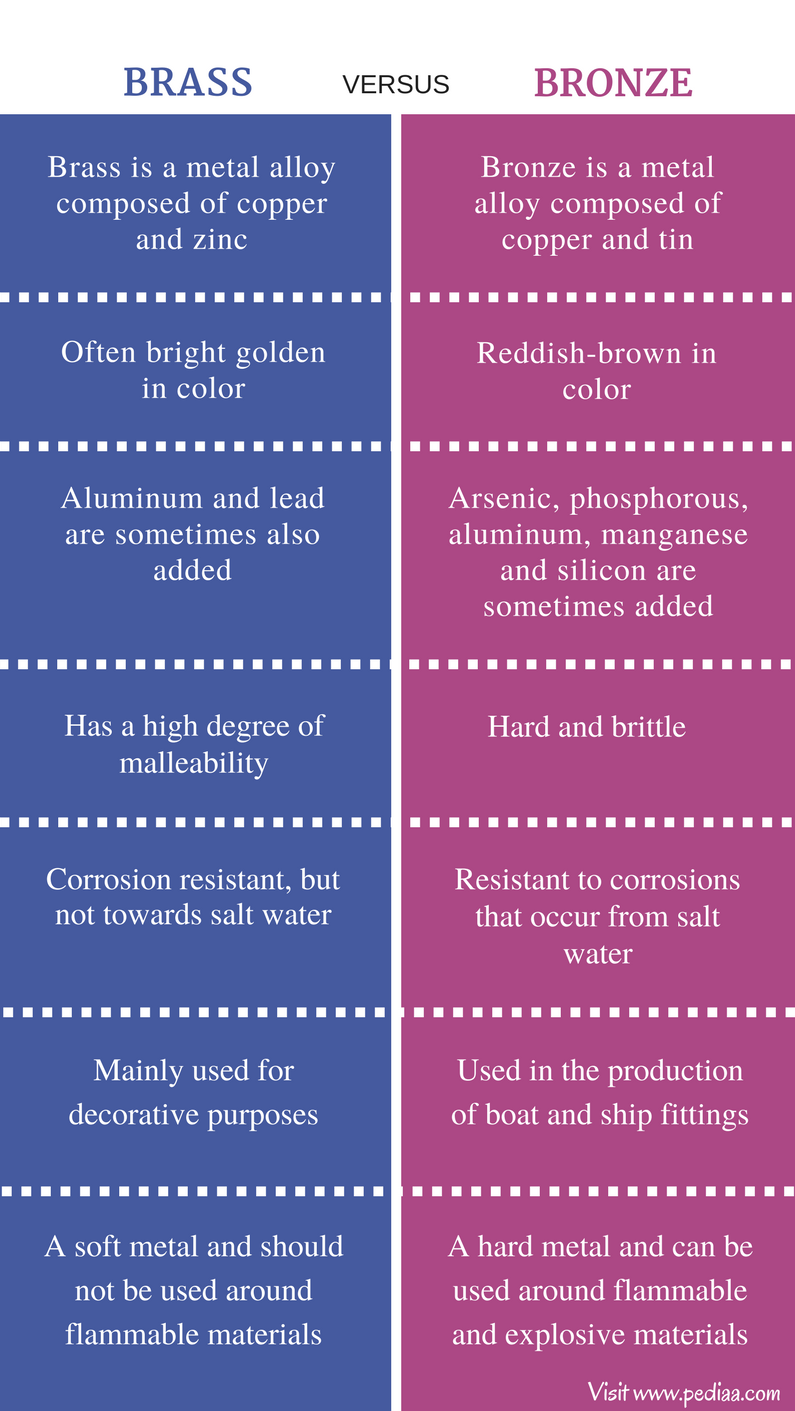
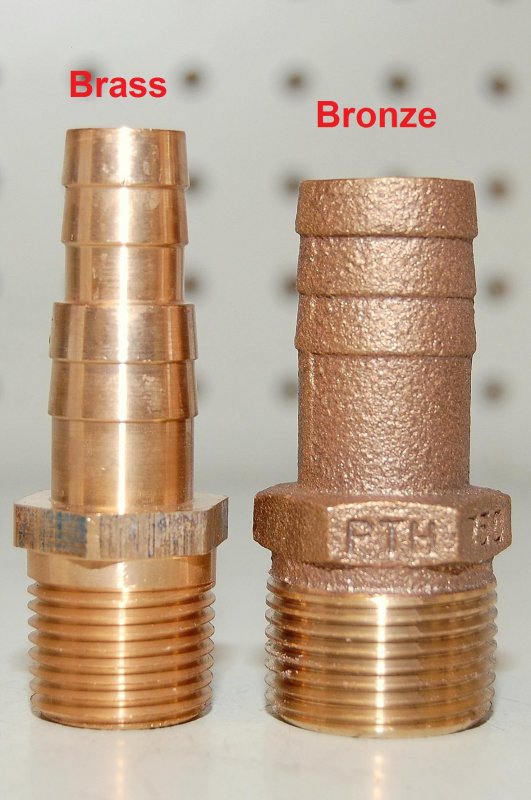
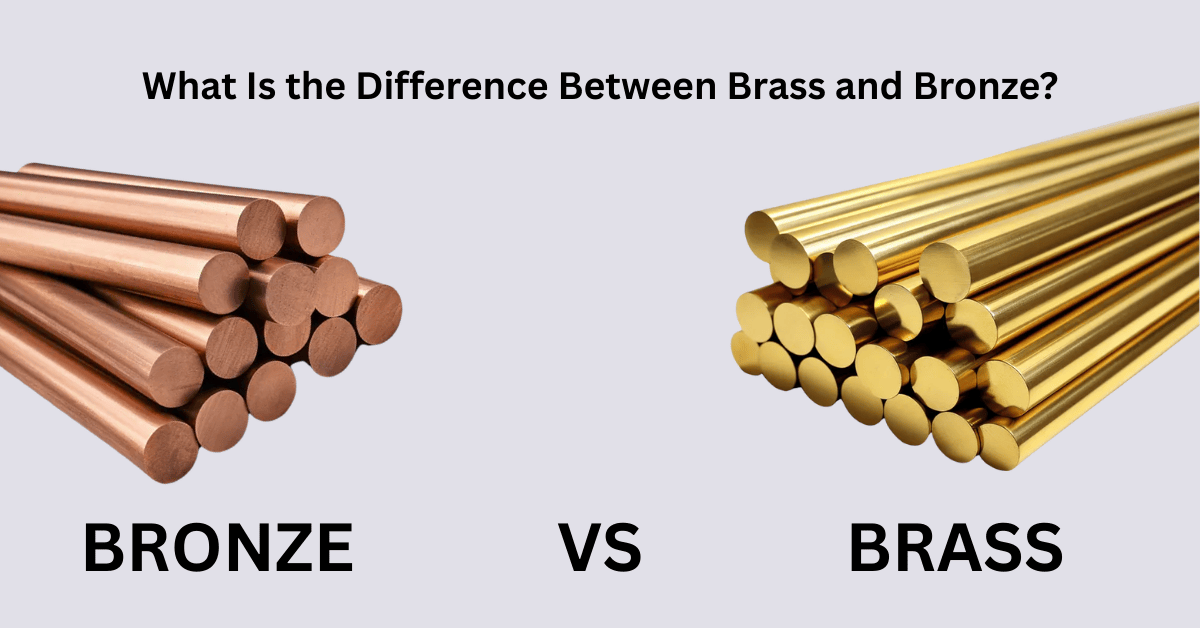
The easiest way to tell the difference is often by color. Brass is generally a brighter, more golden yellow. Think of a shiny new trumpet or a brass door knob. Bronze, on the other hand, tends to be a duller, reddish-brown color, sometimes with a greenish tinge, especially if it's been exposed to the elements. Imagine a classic bronze statue weathered by time. However, color isn't always definitive. Different alloys have various amounts of copper and tin, so colors can vary, and tarnishing can further obscure the true color.
Must Read
Another clue lies in their composition. Brass is primarily an alloy of copper and zinc. Bronze is mostly copper, but its main alloying element is tin, not zinc. While this requires a bit more detective work, you can sometimes infer the composition based on the object's use. For example, brass is often used in musical instruments because of its acoustic properties and corrosion resistance in relatively dry environments. Bronze is more common in marine applications (like propellers and fittings) because it’s more resistant to saltwater corrosion than brass.
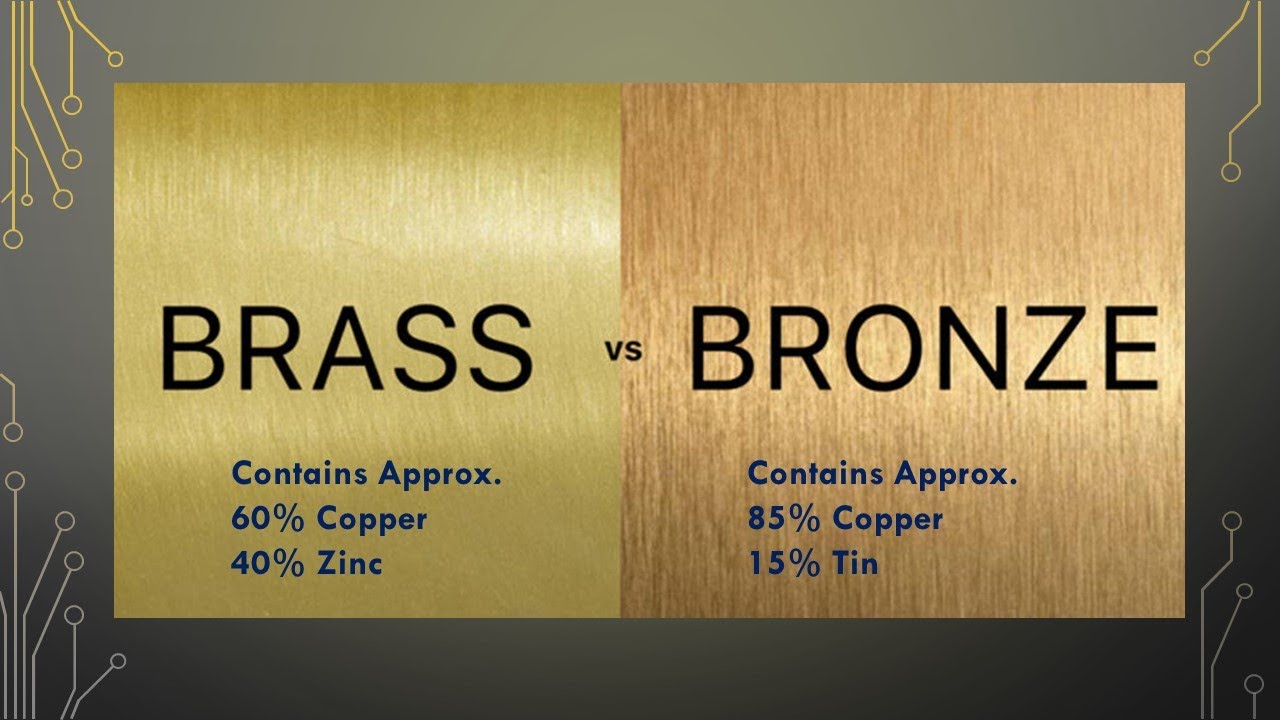
A practical, though slightly less precise, method is to examine the surface finish. Brass, especially when polished, has a characteristic gleam. Bronze, due to its higher tin content, often has a grainier, less reflective surface. Think about the way light plays off a polished brass candlestick versus a bronze sculpture.
So how can you explore this further? Start by looking around your house! Do you have any old coins, tools, or decorative items that might be made of bronze or brass? Compare their colors, textures, and finishes. Take a trip to a local museum and pay close attention to the sculptures and artifacts. Try to identify which ones are bronze and which are brass. You could even do a little online research to learn more about the specific alloys used in different applications. With a little practice, you'll be able to tell the difference between bronze and brass like a pro!